
INSULATED VINYL SIDING
- Home
- INSULATED VINYL SIDING
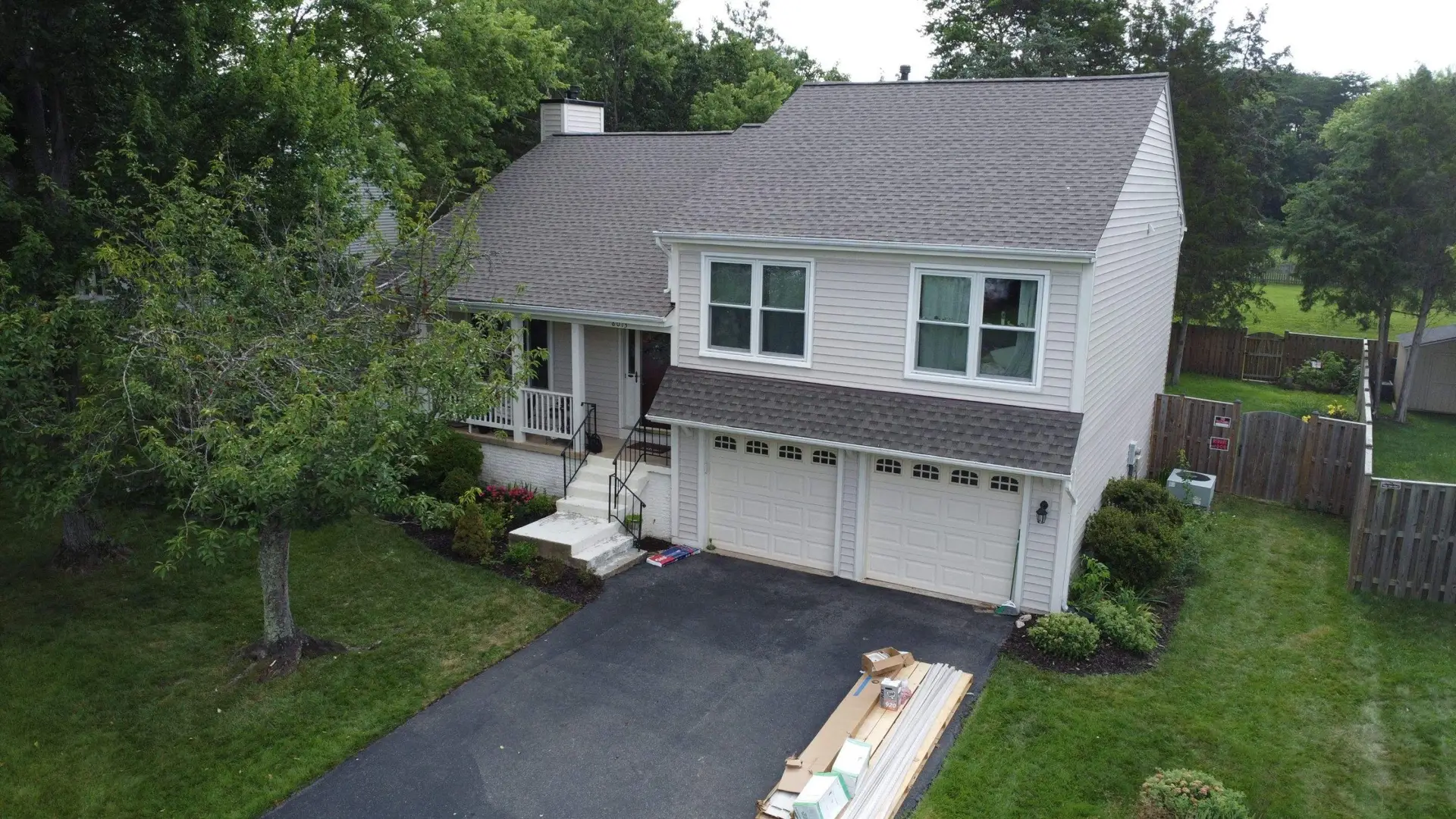
Insulated Vinyl Siding for Virginia, Maryland and Washington, DC
Insulated vinyl siding combines a vinyl exterior with an attached rigid-foam backing. It can add insulation while updating the appearance of your home. USA Storm Roofing and Construction Group helps homeowners compare profiles, colors, trim, and the installation scope for an exterior replacement.
The right choice depends on the existing wall, the product, and your goals. Energy savings vary with the home’s insulation, air leakage, heating and cooling systems, climate, and installation. We do not promise a fixed reduction in utility bills from siding alone.
Compare standard vinyl siding, fiber-cement siding, and insulated options before deciding. A consultation can help separate appearance choices from the wall repairs and moisture-control details your home needs.
What to Include in Your Insulated Siding Proposal
A useful proposal names the manufacturer, product line, profile, color, and accessories. Ask for the product’s tested R-value—a measure of resistance to heat flow—and confirm which insulation is included. Attached foam backing and a separate layer of continuous insulation are different specifications.
The scope should also identify removal of existing siding, wall inspection, flashing and water-resistive barrier work, trim around openings, disposal, and cleanup. If the new assembly is thicker, window and door trim may need adjustment.
Before work starts, agree on how hidden wall damage will be photographed, priced, and approved. Confirm any permit or association approval responsibilities and the written product and workmanship warranty terms.

Compare Insulation, Appearance and Maintenance
Insulation is one part of the wall
Foam-backed siding can reduce heat flow through the exterior wall. Its benefit depends on the product and the complete assembly. If comfort or bills are the main concern, consider a home energy assessment to identify priorities alongside siding replacement.
Moisture details still matter
New cladding should not cover an unresolved water problem. The wall’s water-resistive barrier and flashing need to work together around windows, doors, penetrations, and roof intersections. The Building America guide to insulated vinyl siding explains why existing-wall condition and moisture control belong in the project plan.
Choose the actual product, color and profile
Review physical samples where possible and confirm accessory availability. Compare the published performance and care instructions for the products offered. Impact resistance, appearance, and warranty coverage vary by line; no siding is immune to damage.
Plan for care and future repairs
Follow the manufacturer’s cleaning instructions, keep heat sources away, and inspect damaged or displaced panels. Ask whether replacement panels and matching trim are readily available. Noise reduction, resale value, and environmental benefits should be evaluated using product-specific evidence rather than assumed for every installation.

Plan Your Insulated Vinyl Siding Project
Bring photos of the exterior, any known leaks or damaged panels, your preferred colors, and the approximate project timing to your consultation. Tell us about planned window, door, gutter, or roof work so the connections can be considered together.
If damage is limited, ask whether siding repair is practical before planning a full replacement. For a larger project, compare the same removal, wall-preparation, trim, and cleanup scope across proposals—not just the panel price.
USA Storm Roofing and Construction Group serves Virginia, Maryland, and Washington, DC. Call (571) 653-1241 or request a free siding consultation to discuss your property, material options, and a written estimate. Confirm current product availability, scheduling, and any separate diagnostic work before booking.