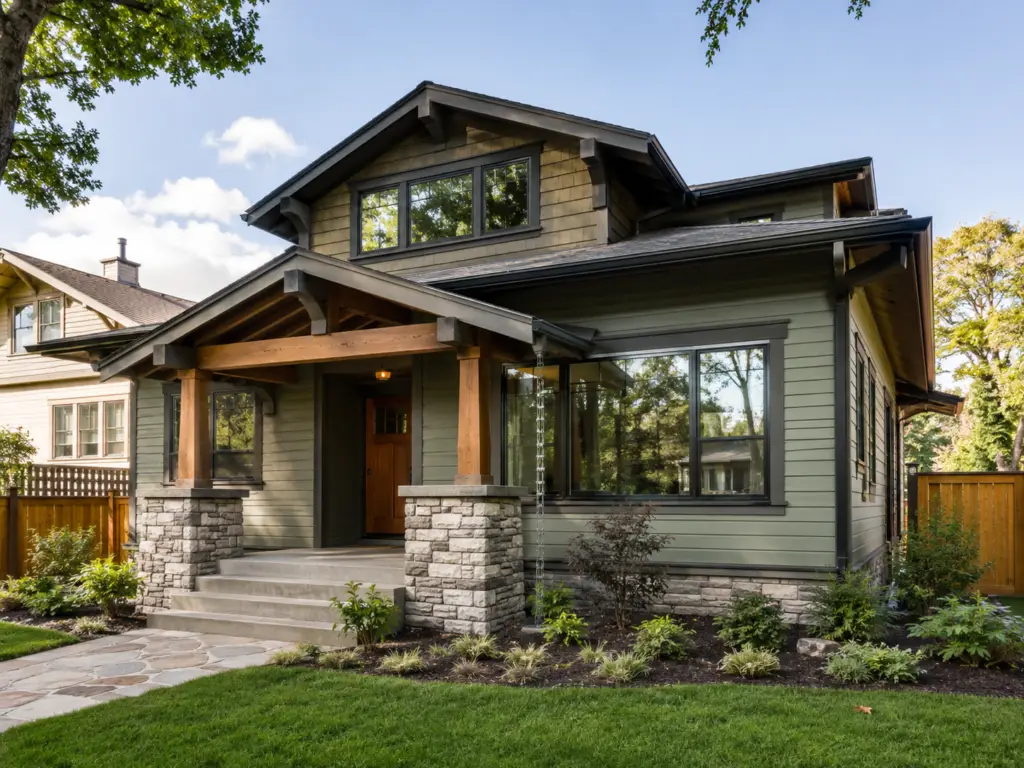

Energy-efficient windows can improve comfort, but the right choice depends on your existing windows, room exposure, climate, and installation details. Compare the performance of the exact window you plan to buy—not just the brand or a claim that a product is “energy saving.”
Repair or replace: start with the problem
Identify what you want to solve: drafts around the frame, difficult operation, damaged wood, outside noise, or condensation between panes. A draft may come from failed weatherstripping or gaps around the opening. Condensation between panes can indicate a failed insulated-glass seal. Surface condensation can also reflect indoor humidity. These problems may require different repairs.
Ask whether weatherstripping, sealing, hardware repairs, or glass replacement can address the concern before committing to complete window replacement. If the frame or surrounding wall has water damage, include that repair in the scope.
Read the ratings for the exact window
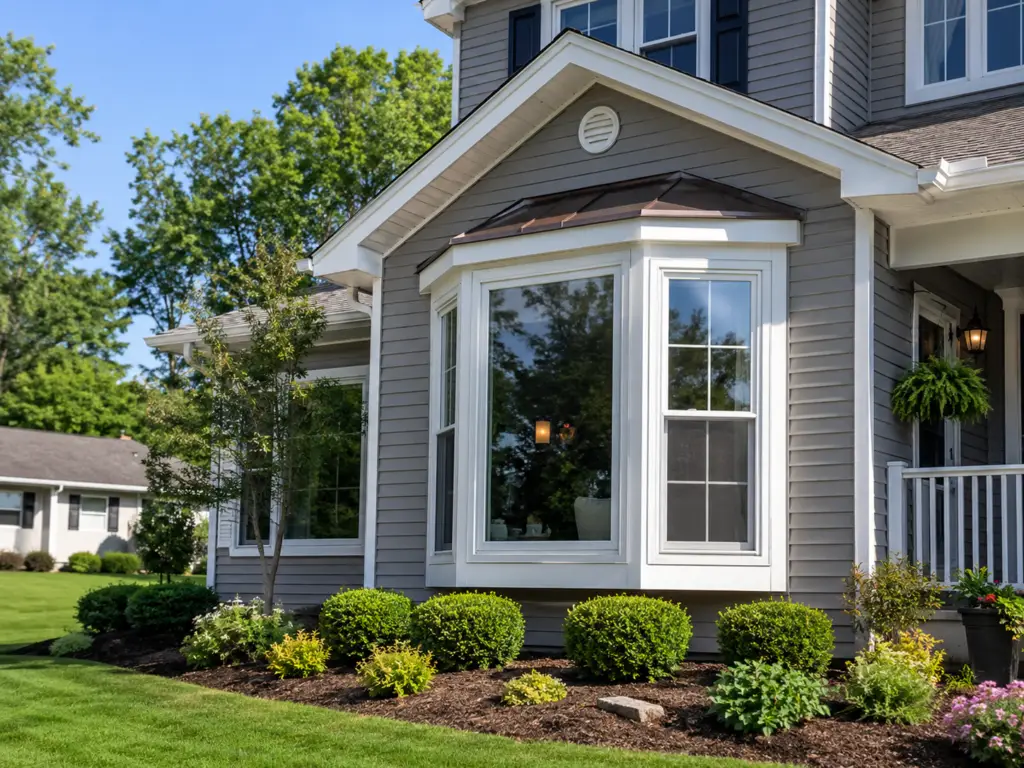
The ENERGY STAR window buying guide explains climate-based performance criteria. Use the product’s NFRC label to compare whole-window performance:
- U-factor: measures heat transfer through the window. A lower number means better insulating performance.
- Solar heat gain coefficient (SHGC): describes how much solar heat enters. The appropriate value depends on climate, sun exposure, and shading.
- Visible transmittance: describes how much daylight passes through the glass. Consider it alongside glare and privacy needs.
A product line may offer several glass packages with different ratings. Ask for the exact model, glass package, U-factor, and SHGC in the proposal. Verify that the selected configuration qualifies for your home’s ENERGY STAR climate zone.
Compare frame, glass, and operating style
Double-hung, casement, sliding, and fixed windows have different ventilation, cleaning, and access needs. Try the locks and handles and consider whether furniture or an exterior walkway will interfere with operation. Bedrooms may have emergency-escape requirements that affect the replacement opening.
Frame materials differ in maintenance needs, appearance, dimensions, and cost. Low-emissivity coatings and insulating gas fills are available in many products, but their benefits depend on the complete window assembly. Compare documented ratings rather than assuming every window from one brand performs the same.
Installation details matter
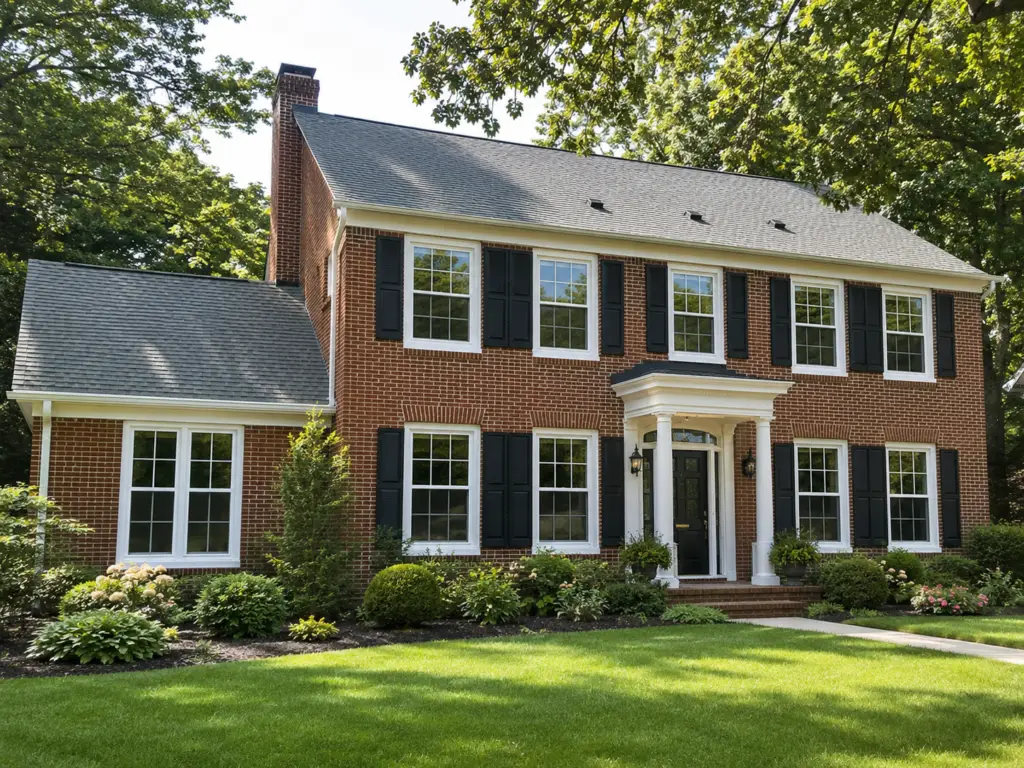
A well-rated window still needs a sound opening and proper installation. Discuss how the installer will inspect for rot, integrate flashing with the wall’s drainage system, seal air gaps, and finish the interior and exterior trim. Follow the selected manufacturer’s instructions.
Ask whether the estimate covers an insert replacement or a full-frame replacement. An insert can preserve the existing frame when it is suitable. A full-frame project exposes more of the opening and may be appropriate when there is deterioration or a need to address flashing. The scope should explain why the proposed method fits your home.
What to include in a window estimate
- Window count, opening measurements, operating styles, and exact product specifications.
- Glass options, screens, hardware, finishes, and energy ratings.
- Removal, disposal, flashing, insulation, trim, and painting responsibilities.
- How concealed damage will be documented and priced if discovered.
- Permit or association requirements, delivery timing, and access arrangements.
- Manufacturer and workmanship warranty terms, exclusions, and service procedures.
Compare quotes for equivalent scopes. The lowest initial price may omit finishing work or repairs that another proposal includes. Ask for current written information about any incentive before budgeting for it; eligibility and availability can change.
Set realistic expectations for savings
Actual energy savings depend on the windows being replaced, installation, insulation, air leakage, weather, and household heating and cooling use. New windows do not guarantee a particular bill reduction or resale return. A home energy assessment can help identify whether windows, air sealing, or insulation should be the first investment.
Plan a window project in Virginia, Maryland, or Washington, DC
USA Storm Roofing & Construction Group provides window replacement services across our listed service areas. Bring photos of the problem, your priorities, and any association requirements to the consultation. Request an estimate to discuss suitable products and a written installation scope.