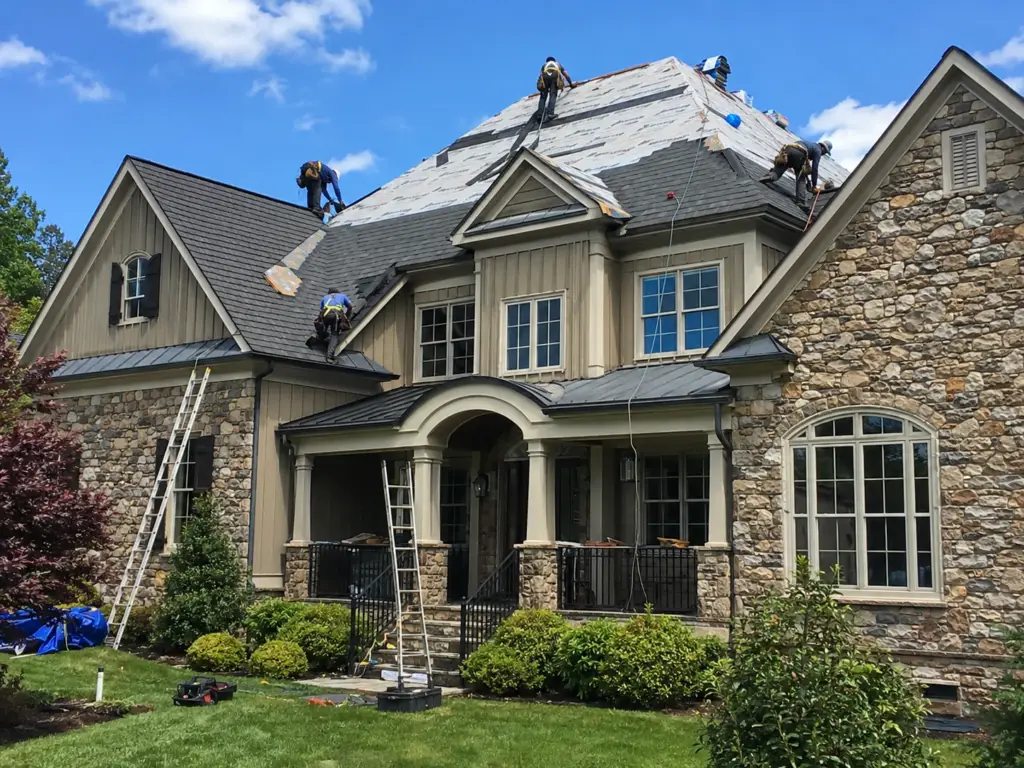
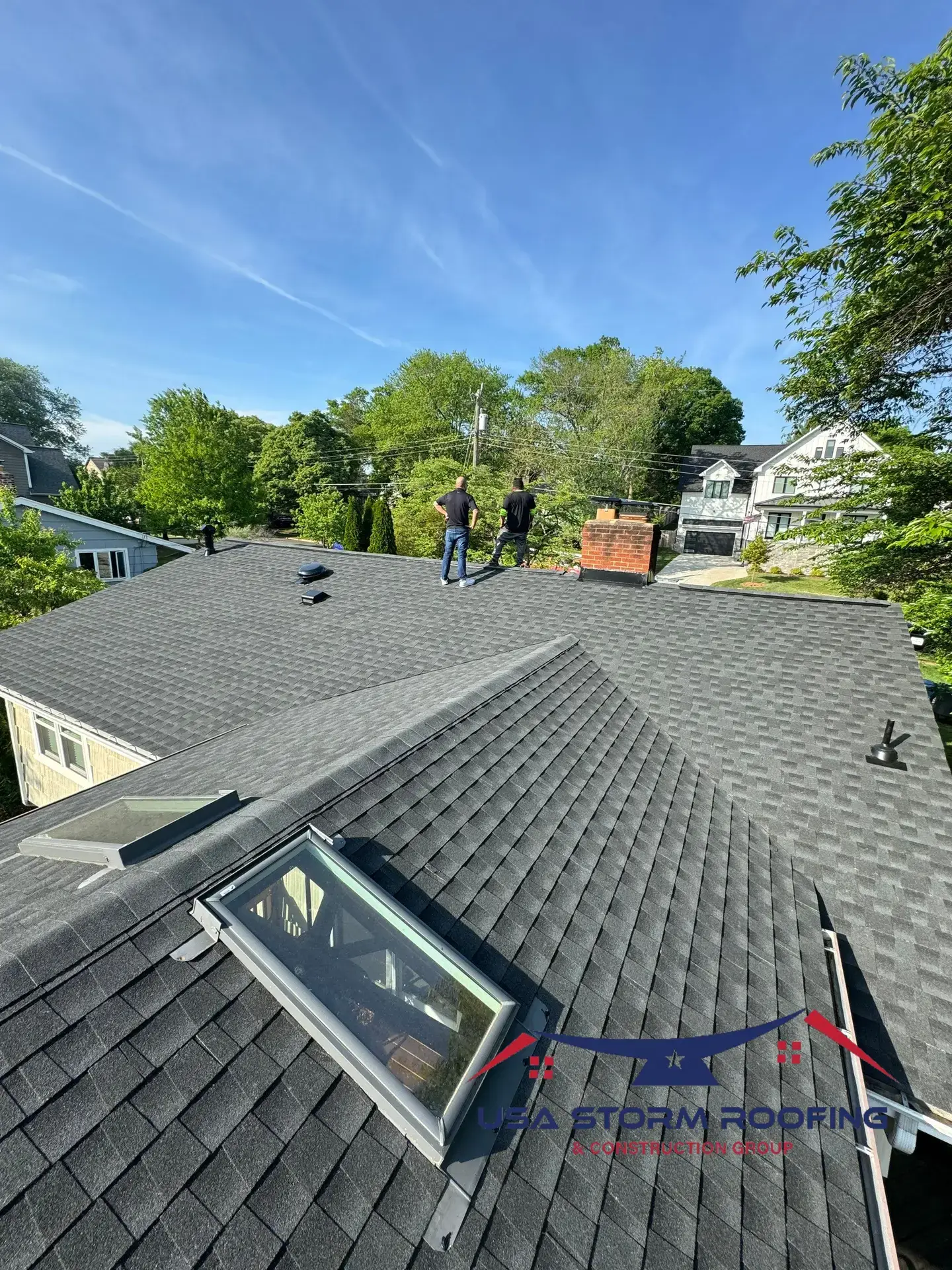
A roof-replacement budget in Northern Virginia should separate the essential work, uncertain repairs, and optional upgrades. That makes proposals easier to compare and helps you understand what could change the final price. A broad regional price range cannot tell you those details for your roof.
Build the budget in three parts
1. The defined replacement scope
Include the measured roof area, removal of existing layers, specified roofing system, flashing and edge details, ventilation work, access, disposal, and cleanup. Ask the contractor to identify every roof section, including porches, additions, and low-slope areas.
2. Concealed-damage allowances
Some decking or framing conditions may not be visible before removal. Ask which repairs are included, how additional work is priced, and what evidence and approval are required. An allowance is not the same as a fixed promise that all repairs are included.
3. Optional upgrades
Keep appearance upgrades, additional exterior work, and optional product changes separate. You should be able to see the base project and the cost of each selected addition before signing.
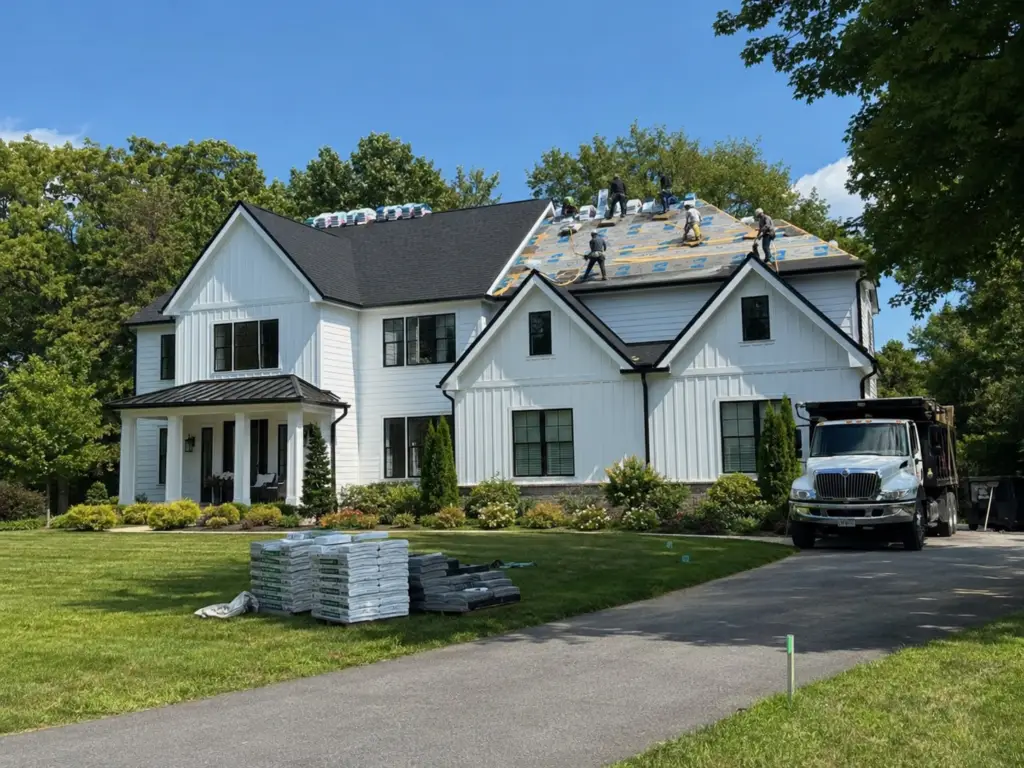
Use a proposal comparison worksheet
For each quote, record the following in the same order:
- Measurements: roof area, sections covered, and waste allowance.
- Products: exact covering, underlayment, starter, ridge, and accessories.
- Details: flashing reuse or replacement, penetrations, edges, and ventilation.
- Unknowns: decking allowances, unit prices, exclusions, and change approval.
- Site arrangements: delivery, parking, property protection, disposal, and cleanup.
- Administration: approvals, payment schedule, timing, and written warranties.
Ask each contractor to clarify missing items. A lower total may reflect a different product or excluded work; it is not automatically a better value or evidence of poor workmanship.
Check local requirements by property address
Northern Virginia includes several permitting authorities. Confirm the city or county responsible for your property and the requirements for the actual scope. Association and historic-design approvals may be separate from a building permit.
Examples include the Fairfax County permitting process, Arlington residential permits, and Loudoun building permits. Establish responsibility for applications and inspections in the proposal.
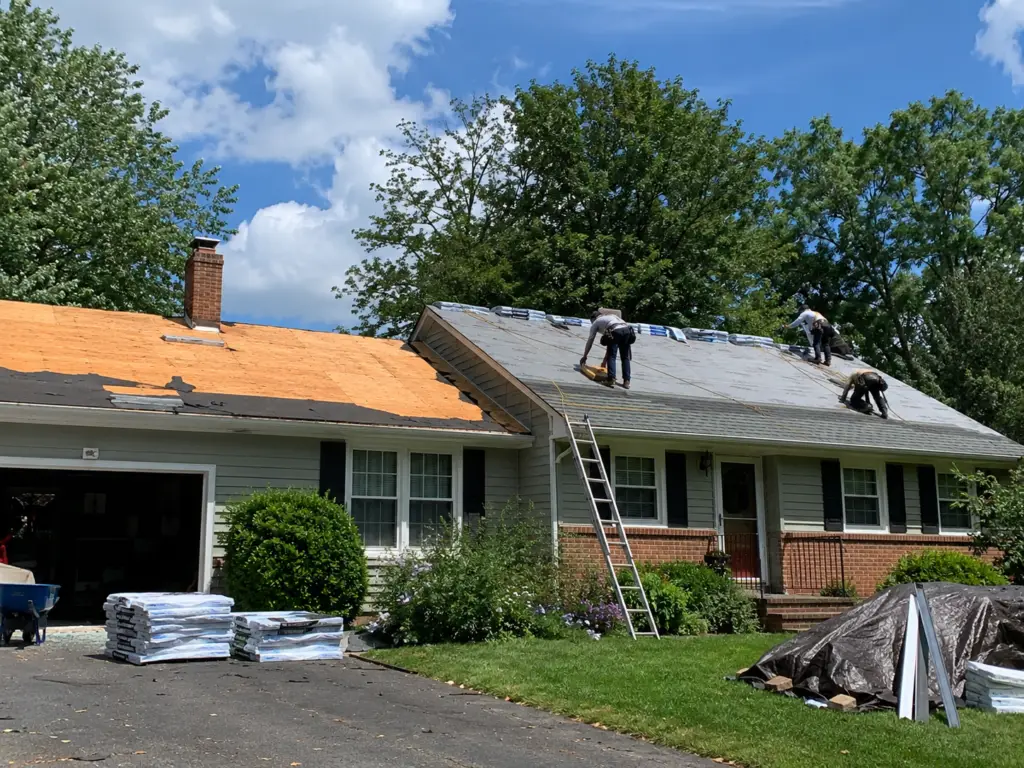
Evaluate long-term costs carefully
Compare maintenance requirements, repairability, product availability, and written coverage alongside the installation price. A higher-priced material does not guarantee a longer service life in every assembly. Energy performance depends on the selected product, roof and attic conditions, climate, and the rest of the home.
Do not budget around an assumed seasonal discount, resale increase, or utility saving. Ask for current written pricing and treat any optional benefit according to the evidence available for your project.
Keep financing and insurance separate from the work scope
When reviewing financing options, compare the provider’s interest rate, fees, repayment period, and total cost. Eligibility and terms vary. A monthly payment should not obscure the complete project price.
For storm-related work, the insurer determines coverage and payment under the policy. Clarify the contractor’s scope, your payment obligations, and any optional upgrades rather than assuming the entire proposal will be reimbursed.
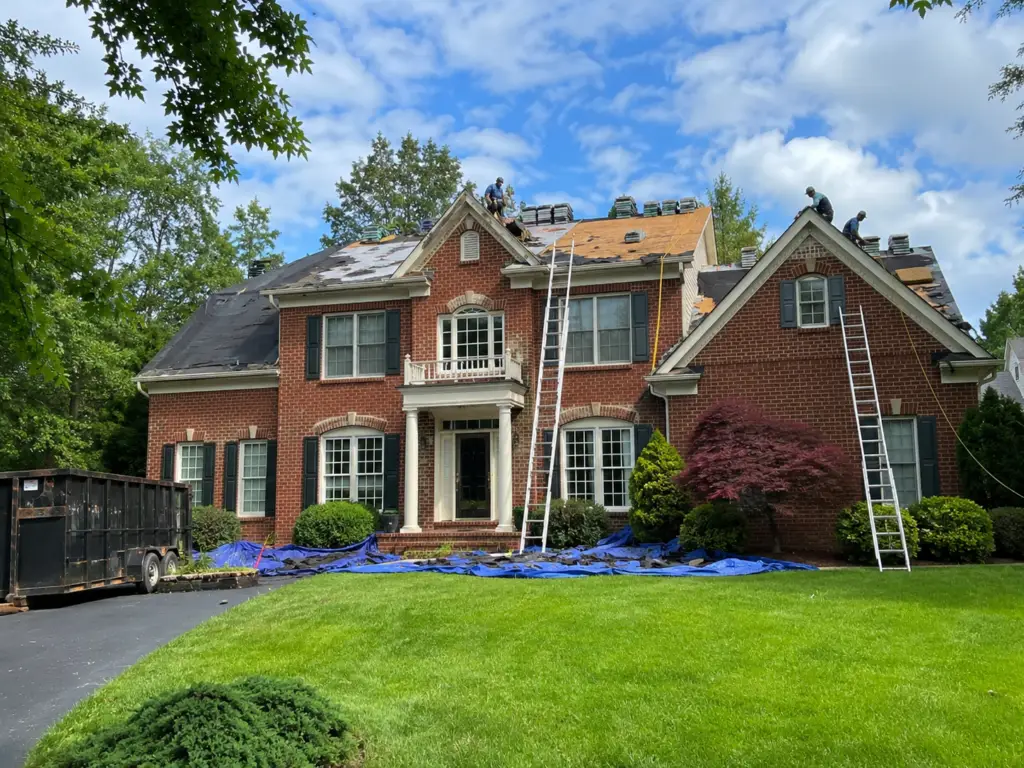
Before approving the project
Check the contractor through Virginia’s official license lookup, request current insurance evidence, and review who will supervise the work. Keep the final product selections and any changes with the written contract.
A repair may be appropriate for a limited problem. If replacement is recommended, ask for the condition findings supporting it. A free exterior inspection differs from a paid leak investigation; confirm which appointment fits your concern.
Contact USA Storm Roofing and Construction Group to discuss a roof replacement proposal. Bring any competing scopes or previous repair records so the differences can be explained clearly.