
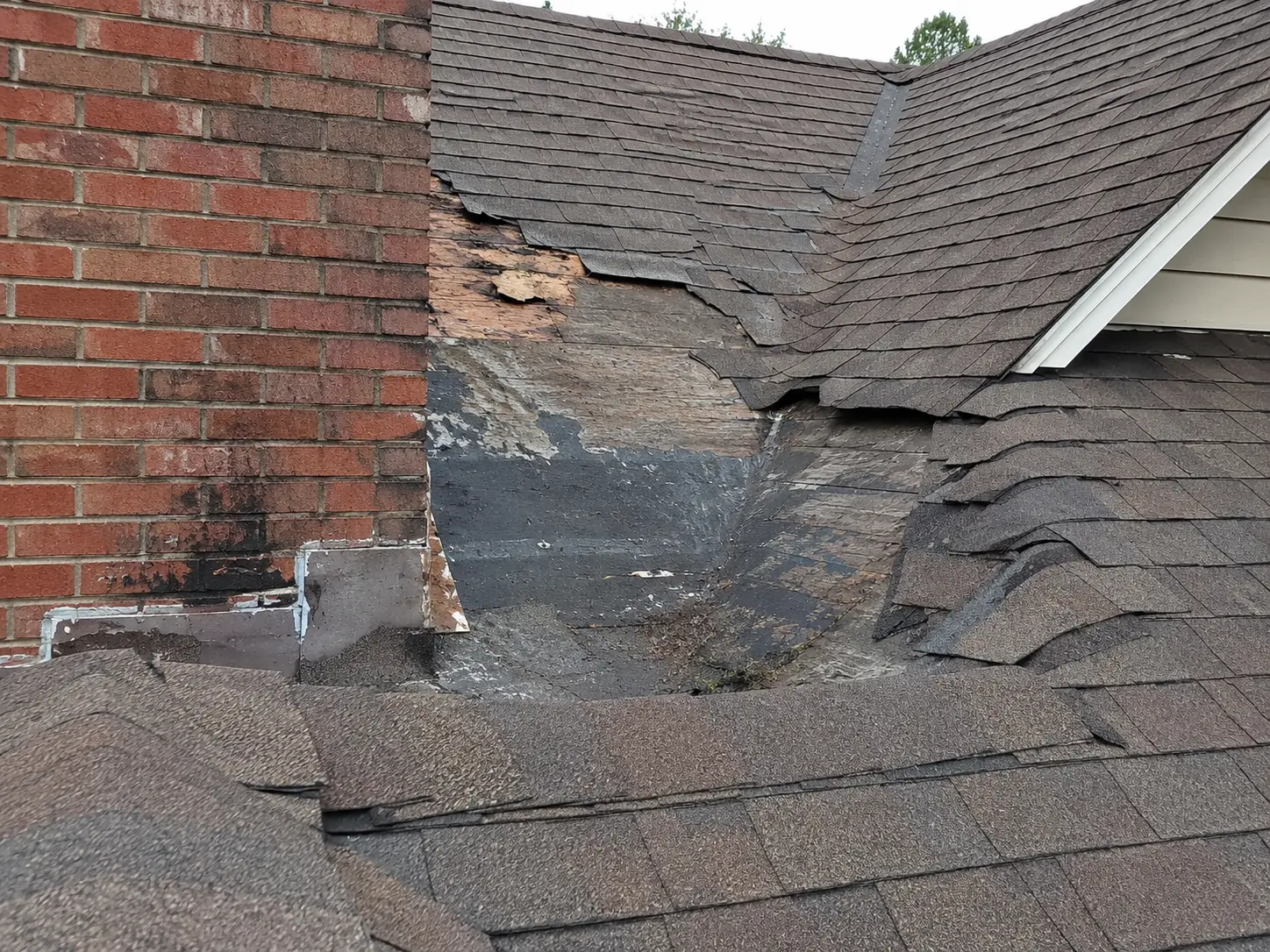
A ceiling stain after a storm is a reason to investigate a roof leak. It does not confirm that the underlayment has failed. Water can enter through shingles, flashing, roof penetrations, or other parts of the building, and it may travel before appearing indoors.
Underlayment sits beneath the roof covering, so most of it cannot be inspected from the ground or during a simple surface inspection. This guide explains what homeowners can observe, what a roofer can confirm, and what to ask before authorizing repairs.
What underlayment does
Underlayment is the layer between the roof deck and the shingles or other roof covering. It provides secondary protection when moisture gets past the outer covering. It works with the shingles, flashing, and drainage details as part of the roof system; it does not replace them.
Products differ. Mechanically fastened felt or synthetic underlayment and self-adhering leak barriers have different uses and installation requirements. GAF’s roof-deck protection guide shows where underlayment fits in the system. The correct product and installation depend on the roof covering, slope, manufacturer’s instructions, and applicable building requirements.
Warning signs that deserve a roof assessment
- New or recurring indoor stains: Record when they appear, whether they grow during rain, and which room or wall is affected.
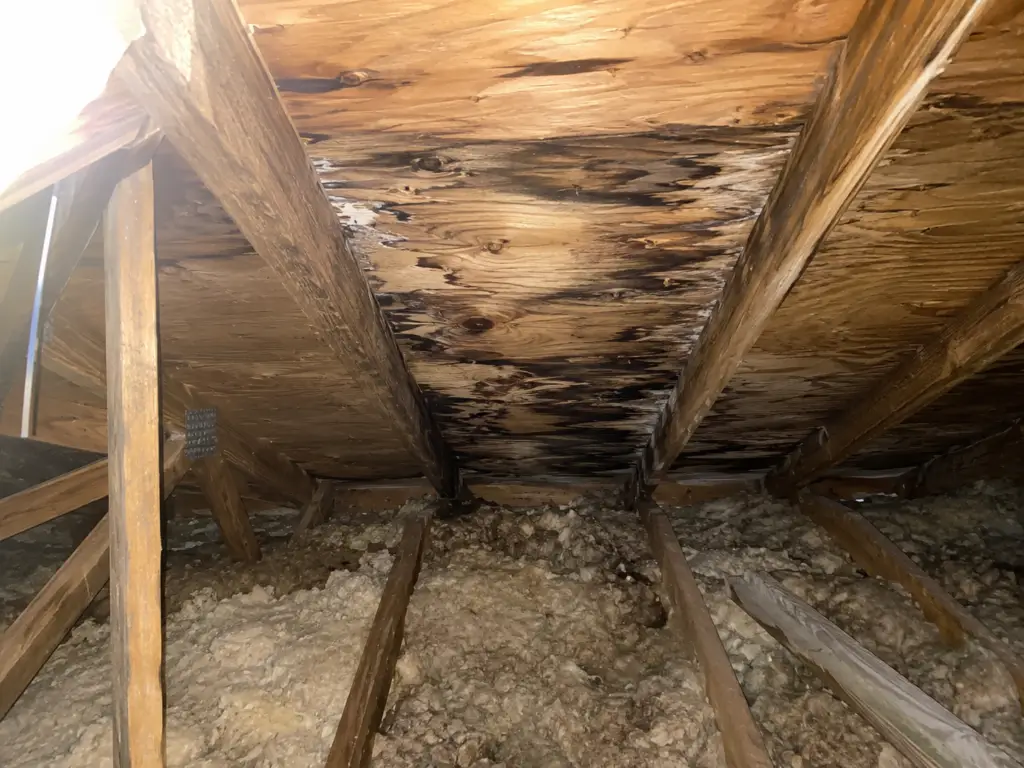
- Damp insulation or stained decking: These suggest a moisture problem but do not identify the entry point or distinguish every leak from condensation.
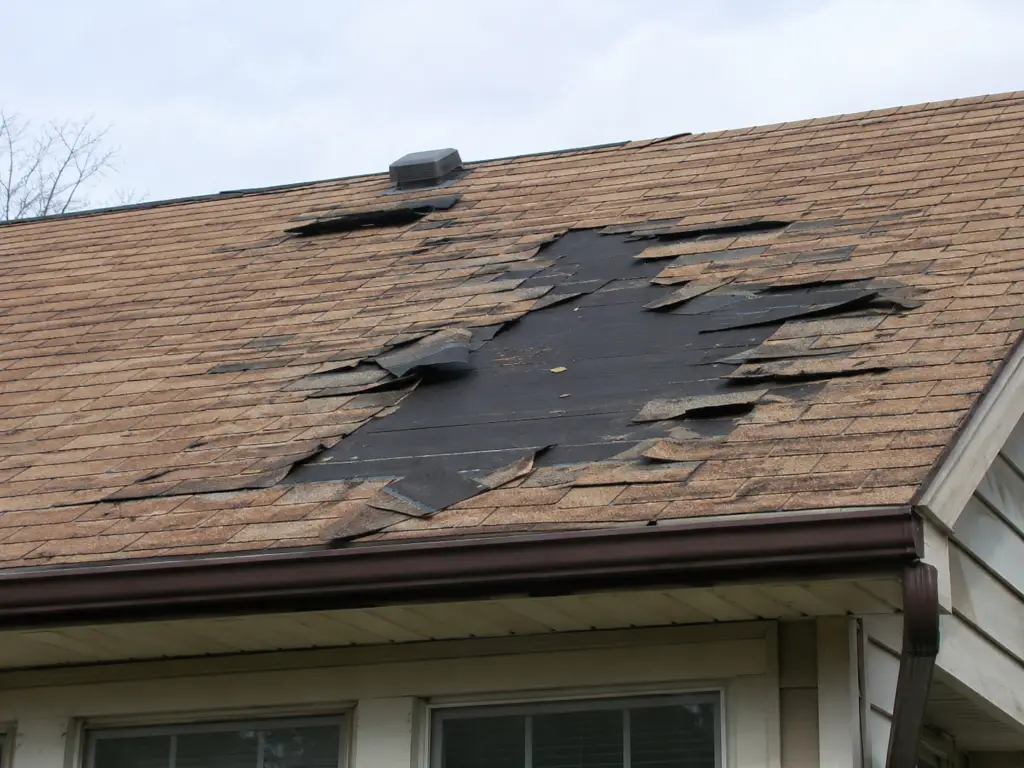
- Missing shingles or exposed material: A storm opening can leave the layers below vulnerable to further weather.
- Repeat leaks after a repair: Ask whether the original water path was confirmed and whether adjacent flashing and penetrations were examined.
Loose granules in a gutter, a musty smell, or one stain alone cannot establish underlayment failure. A useful inspection report connects observations to a likely cause and clearly identifies what remains unconfirmed.
What an inspection can—and cannot—confirm
A roofer may inspect accessible roof surfaces, penetrations, flashing, edges, and attic conditions where access is safe. Photos of accessible areas can show visible damage. An attic view may reveal moisture on the underside of the deck, but it cannot show all of the underlayment above it.
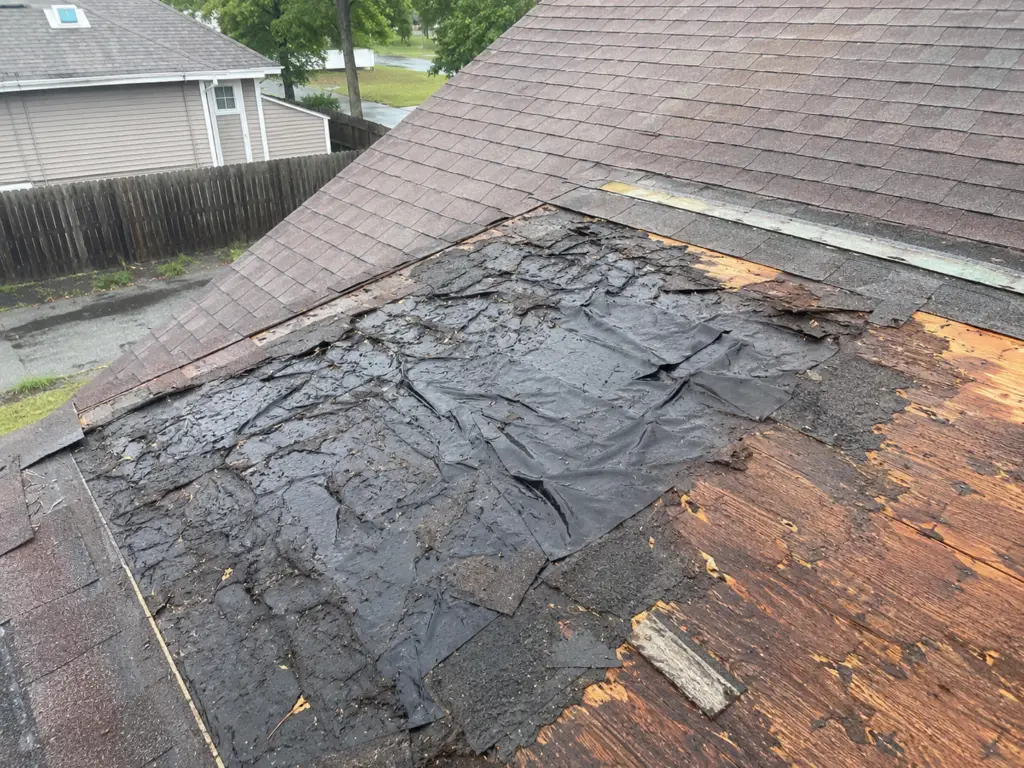
Confirming a hidden tear, an incorrect lap, or deterioration beneath intact shingles may require lifting or removing part of the roof covering. That is different from a visual inspection. Before any opening is made, agree on the location, purpose, charge if applicable, and how the area will be restored. Ask the report to separate observed damage from suspected damage.
For an active leak, explain when the water appears and share prior repair records. Our leak diagnosis service focuses on finding the source so the repair addresses more than the visible stain.
Repair or replacement: questions that change the scope
A localized repair may be appropriate when the cause and affected area are clearly identified, the surrounding materials remain serviceable, and the repaired layers can be integrated correctly. Replacing a small piece of underlayment alone will not solve a failed flashing detail or damaged roof deck.
A broader replacement discussion may be needed when damage is widespread, the roof covering cannot be removed and restored reliably, or repeated failures show that isolated repairs are no longer practical. Roof age is one factor, not a diagnosis by itself.
- Which roof layers are affected, and what evidence supports that conclusion?
- Does the estimate include removal and replacement of shingles, underlayment, flashing, and any damaged decking?
- How will new material join the surrounding roof so water drains correctly?
- What hidden conditions could change the price, and how will additional work be approved?
- What product and workmanship warranties apply to the completed work?
Compare the written scopes for roof repair and roof replacement before comparing totals. CertainTeed’s drainage and flashing guidance explains why several roof components must work together to manage rainwater.
What to do while arranging help
Stay off the roof after a storm. Photograph visible changes from safe ground or indoor locations. Do not enter an attic with unsafe access or damaged framing. Keep clear of sagging ceilings and water near lights, outlets, or electrical equipment; get urgent professional help when those conditions are present.
- Record the storm date, when water first appeared, and whether the leak is active.
- Save photographs, previous roof invoices, inspection reports, and written estimates.
- Discuss temporary protection promptly if the roof is open or water is entering. Temporary protection is not a permanent repair.
- Keep receipts and ask your insurer what documentation it needs if you are considering a claim.
Insurance coverage depends on the cause of damage and the terms of your policy. A contractor’s report can document conditions and proposed work; the insurer determines coverage and payment. See our insurance claim support page for the documentation assistance we provide.
Common homeowner questions
Can a drone inspection prove the underlayment is sound?
A drone can record visible roof surfaces. It cannot see through intact shingles, so it cannot confirm the condition of all concealed underlayment. Ask what the inspection actually covered.
Does damaged underlayment always mean I need a new roof?
No. The extent of damage, condition of the covering and deck, and feasibility of a durable repair determine the options. Ask for photographs and an explanation of why the proposed scope is necessary.
Can I wait until another storm to see whether it leaks again?
An active leak or exposed roof area should be assessed promptly. Photograph the current condition and arrange help rather than using another storm as a test. A dry ceiling between storms does not prove the roof has been repaired.
Arrange an assessment in your service area
USA Storm Roofing & Construction Group serves the listed communities in Virginia, Maryland, and Washington, DC. Check our service-area directory and request an inspection. Share the property location, leak history, and any safe photographs so we can understand the issue before the visit.