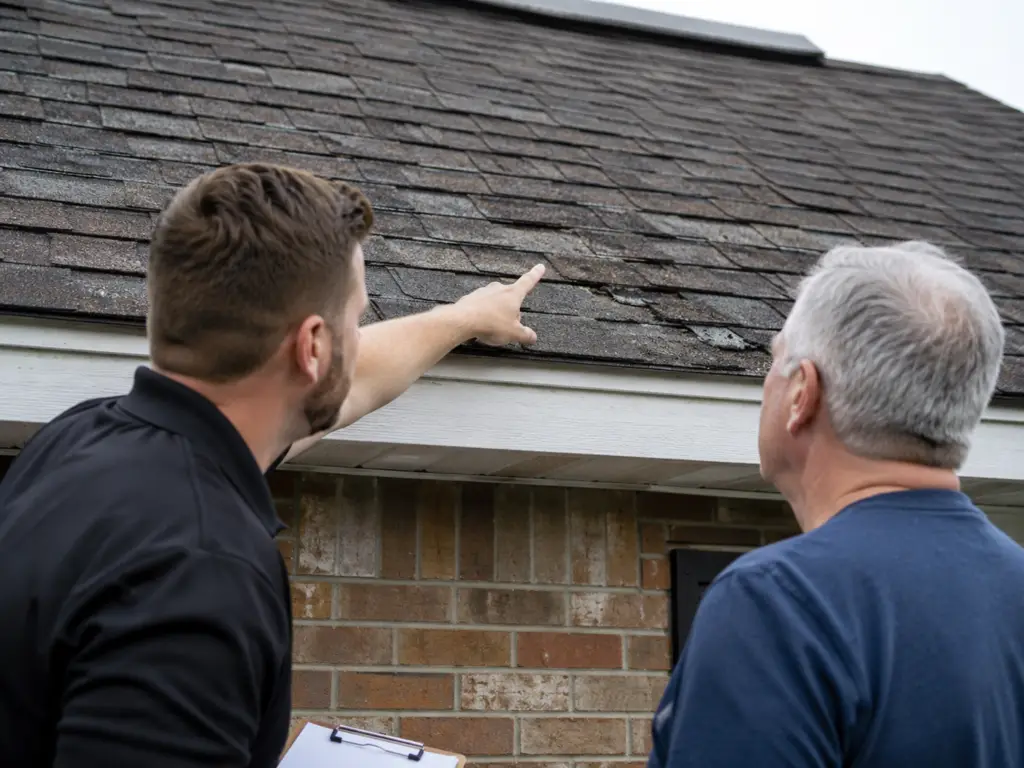

A roofing proposal may mention a long warranty without showing what happens if something goes wrong. Before signing, compare the actual warranty documents alongside the contract. The useful questions are who handles a problem, which costs are covered, and what you must do to keep and use the coverage.
Identify each provider and document
Ask for the exact product names, the manufacturer’s warranty offered with those products, and the contractor’s written workmanship terms. Some enhanced manufacturer warranties can include workmanship coverage when their eligibility requirements are met. Do not assume that an advertised brand, contractor certification, or warranty length means a particular enhanced plan is included in your job.
For example, GAF’s residential warranty comparison distinguishes available coverage levels and conditions. Use the actual documents for the materials and plan in your proposal; another manufacturer’s terms may differ.
Compare the remedy, not just the number of years
- Covered problem: Is the document about a manufacturing defect, installation work, or a specifically defined performance issue?
- Covered costs: Does the remedy include replacement material, labor, tear-off, disposal, or only some of these? Are interior damage and other expenses excluded?
- Changes over time: Does reimbursement reduce after an initial period, and how is that calculated?
- Limitations: What limits, exclusions, deductibles, inspection charges, or owner responsibilities appear in the document?
- Decision maker: Who determines whether the reported condition qualifies?
The word “lifetime” has a definition in the warranty. It is not a promise that a roof will last forever or that every future repair will be free.

Make the installation and paperwork requirements explicit
Ask which roof components must be installed together, whether a qualified installer or inspection is required, and whether registration is needed. Identify who submits the registration, when it is due, and what proof you will receive. Keep the final warranty certificate or registration confirmation with the contract and invoice.
If the proposal includes a paid warranty upgrade, list its exact name and price. Confirm that it is available for this contractor, product combination, property, and project before paying for it. A brochure alone does not confirm enrollment.
Ask different questions for a repair
A repair warranty may cover a named detail or limited area rather than the whole roof. Have the contractor identify that boundary in writing, including any existing materials left in place and limitations on tracing a leak. Ask how unrelated leaks or later damage will be handled.
For a replacement, check the treatment of reused components such as a skylight, chimney detail, decking, or ventilation equipment. An existing component should not disappear from the discussion simply because new shingles are being installed.
Understand maintenance, alterations, and transfer rules
Read the care requirements and keep records of inspections and repairs. Before adding solar equipment, changing ventilation, or having another contractor alter the roof, ask the warranty provider how that work affects coverage. Do not assume every alteration cancels all coverage; ask for the applicable provision.
If you may sell the home, check whether transfer is allowed, who submits it, the deadline, any fee, and whether the buyer receives different coverage. Save the instructions where a future owner can find them.

If a problem appears, report it and protect the home
- Record when you noticed the issue and take photographs from safe locations. Do not climb onto the roof to gather evidence.
- Locate the contract, warranty, product details, registration confirmation, and prior repair records.
- Contact the provider named in the document and follow its notice and inspection process. Ask about deadlines and whether it needs photographs or material samples.
- Address urgent safety hazards and arrange necessary temporary protection. Ask how to document emergency work; do not let paperwork delay protection of people.
- Keep dated communications, estimates, receipts, and the written decision. Ask which provision supports any denial or limitation.
A warranty and an insurance policy answer different questions
A warranty addresses the conditions described by its provider. Homeowners insurance addresses covered losses under the policy. A storm occurring before a leak does not by itself establish either kind of coverage. Your insurer makes the insurance decision, and the warranty provider makes its own decision under its terms.
Discuss warranty details before approving your roofing work
USA Storm Roofing and Construction Group serves Virginia, Maryland, and Washington, DC. Bring your proposed materials, existing warranty, and questions to the project discussion. Ask for the applicable written terms with your roof replacement or repair proposal.
Contact the team to discuss your project. Roofing estimates are free; leak diagnosis is a paid service. Confirm the visit scope and fee before booking, including whether an existing warranty provider must inspect first.