Roof Drainage Problems Rain: Heavy Rain Guide

roof drainage problems rain

Roof drainage problems rain can reveal when water is not moving away from your home correctly. Heavy rain can overwhelm weak gutters, clogged downspouts, roof edges, and drainage paths. As a result, water may move toward areas that should stay dry.

Homeowners in Virginia, Washington DC, and Maryland often face sudden storms and heavy rainfall. Because of that, roof drainage should be checked before damage spreads.

In this guide, you will learn what roof drainage problems mean. You will also learn warning signs, causes, repair options, and when to contact USA Storm Roofing and Construction Group.

Why Roof Drainage Problems Rain Matter

Roof drainage problems rain matter because water should leave your roof in a controlled path. First, shingles shed water down the roof slope. Then, gutters and downspouts carry that water away.

However, poor drainage can change that path quickly. Water may overflow, pool, or move behind roof edges.

As a result, fascia, soffits, siding, windows, and foundation areas may face moisture. Therefore, heavy rain can expose problems that look minor on dry days.

A professional inspection can help explain where water flow is failing.

roof drainage problems rain

What Roof Drainage Problems Mean For Homeowners

Roof drainage problems mean water is not leaving the roof system properly. This can involve gutters, downspouts, roof valleys, drip edge, fascia, or nearby shingles.

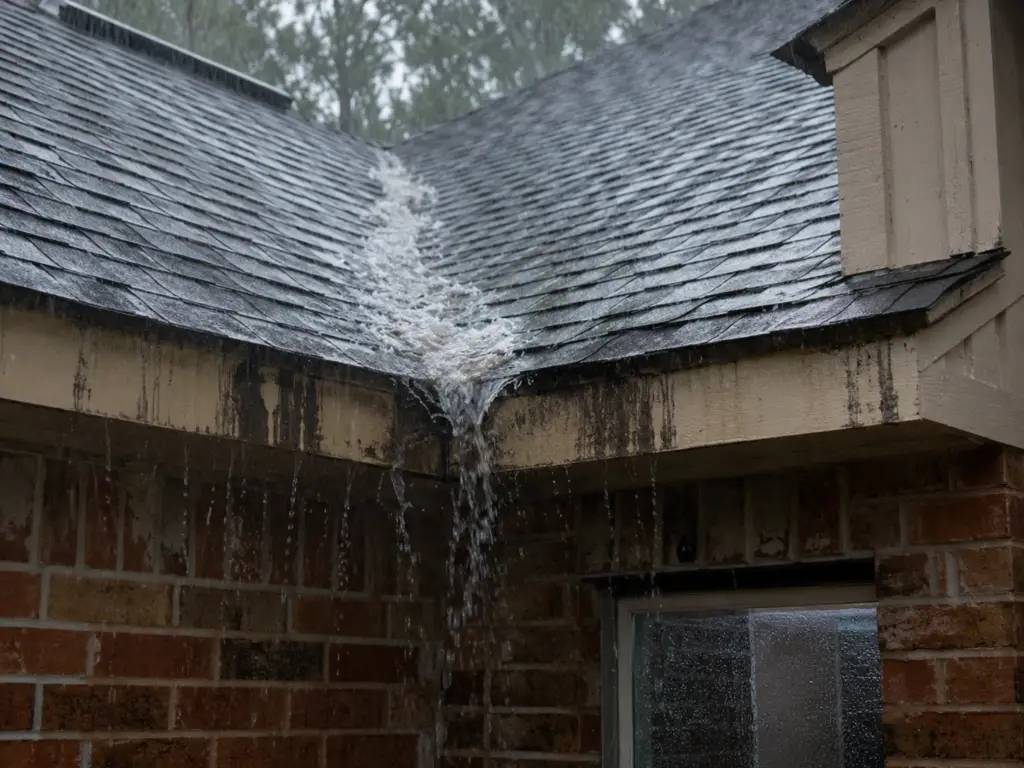
A roof valley is where two roof slopes meet. It carries more water during rain. Therefore, valley drainage needs clear flow.

Drip edge is metal along the roof edge. It helps guide water away from wood areas.

When these parts do not work together, water can back up or spill over. After that, hidden damage may begin.

Common Roof Drainage Problems Rain Can Reveal

Roof drainage problems rain can reveal warning signs during or after storms. Homeowners should check from safe ground areas only.

Common signs include:

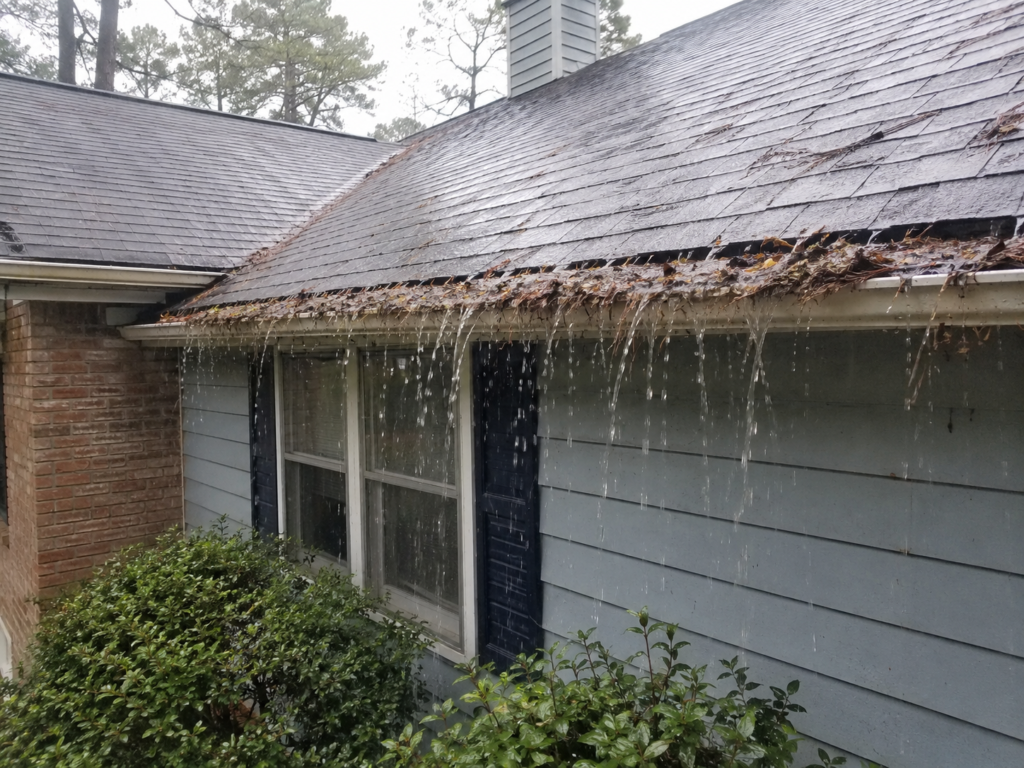
  • Water overflowing from gutters
  • Gutters sagging during rain
  • Water running behind gutters
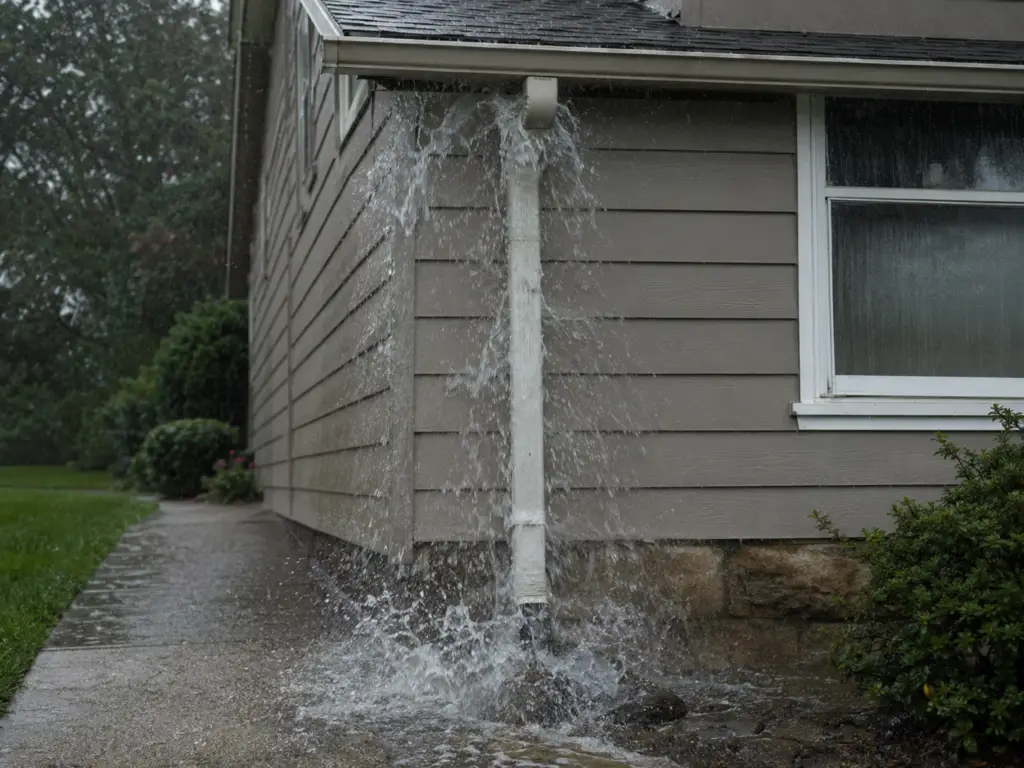
  • Downspouts draining too close
  • Pooling water near the foundation
  • Stains on fascia boards
  • Stains on siding
  • Roof valley debris
  • Granules near downspouts
  • Ceiling stains after rain

If you notice these signs, take photos when safe. Then, schedule a professional roof and gutter inspection.

Roof Drainage Problems Rain Near Roof Edges

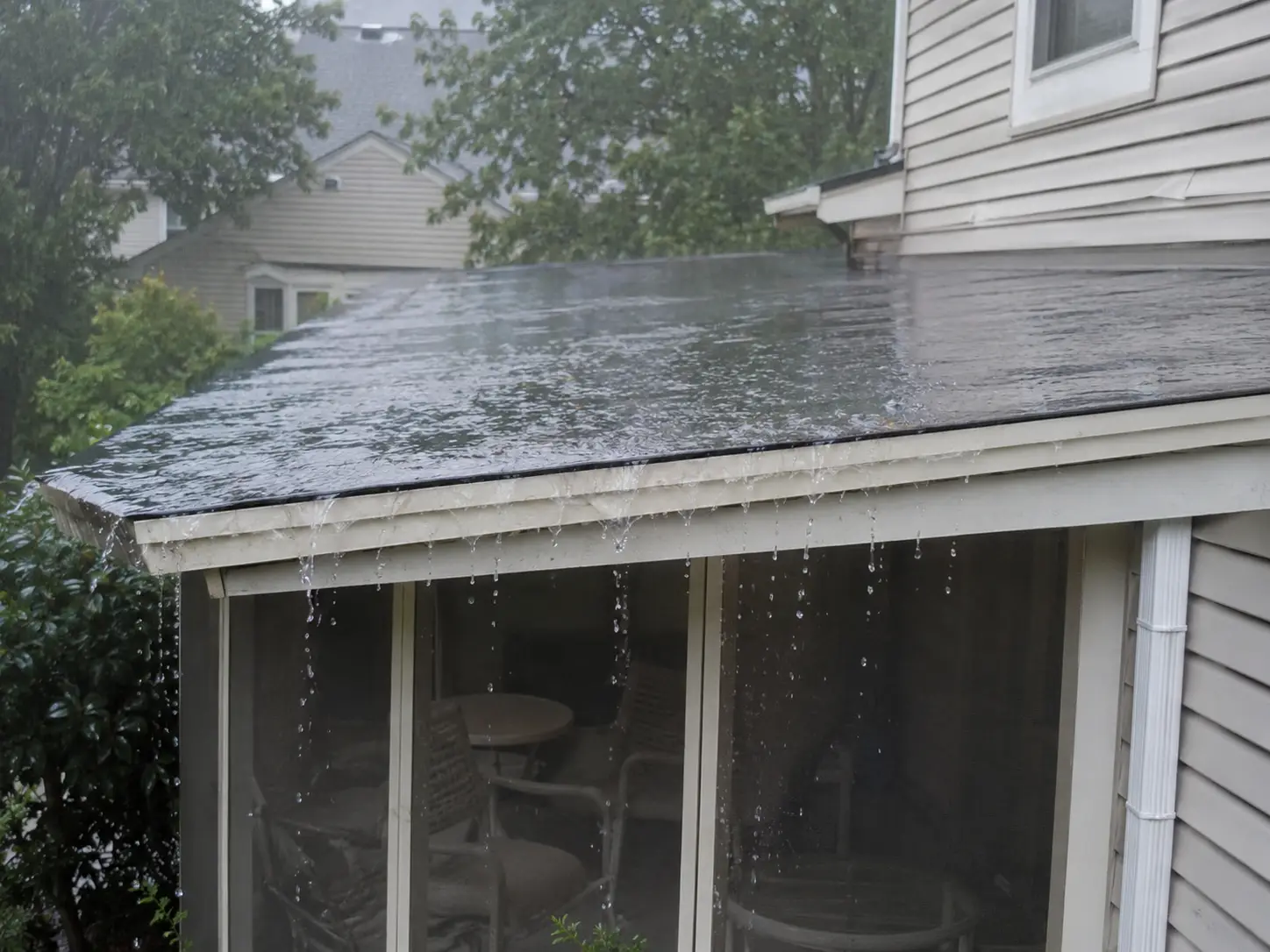
Roof drainage problems rain often show near roof edges first. Water may spill over gutters or move behind them.

Fascia is the board behind the gutter. If it stays wet, it can stain, soften, or weaken.

Also, water may reach drip edge areas and lower shingles. As a result, roof-edge leaks can develop over time.

Therefore, roof edges and gutters should be checked together.

Roof Drainage Problems Rain Near Foundations

Roof drainage problems rain can also affect the ground near your home. If downspouts drain too close, water may pool beside the foundation.

Also, soil may wash away after repeated storms. This can leave low spots that collect more water.

Check for puddles, soft soil, and washed-out mulch after rain. In addition, look for damp basement smells.

If water keeps collecting near your home, request help soon.

Main Causes Of Poor Roof Drainage

Poor drainage can happen for many reasons. Some issues develop slowly. However, storms can make drainage problems obvious.

Common causes include:

  • Clogged gutters
  • Clogged downspouts
  • Loose gutters
  • Missing downspout extensions
  • Debris in roof valleys
  • Damaged drip edge
  • Sagging gutter sections
  • Heavy shingle granules
  • Tree branches over the roof
  • Poor water discharge areas

Shingle granules are the rough pieces on asphalt shingles. They can wash into gutters during heavy rain.

In addition, leaves and sticks can block water flow. Therefore, homes near trees need careful drainage checks.

Why Acting Quickly Matters

Drainage problems can affect more than gutters. Water can move toward roofing, siding, windows, trim, and foundation areas.

Fast action helps protect your home before moisture spreads. It also helps keep storm records clear.

Acting quickly may help you:

  • Reduce gutter overflow
  • Protect roof edges
  • Limit siding stains
  • Reduce foundation pooling
  • Prevent fascia damage
  • Document storm concerns
  • Understand repair options

However, no contractor can guarantee insurance approval. Your insurance company decides coverage based on your policy.

roof drainage problems rain

Roof Drainage Problems Rain: Repair Or Replacement?

Roof drainage problems rain may lead to cleaning, repair, or replacement review. The right option depends on the cause and condition.

Cleaning may help when debris blocks gutters or downspouts. However, loose or damaged sections may need repair.

Replacement may need review when gutter sections fail repeatedly. It may also need review when roof-edge damage appears.

When Cleaning May Be Enough

Cleaning may be enough when debris is the main issue. The gutters and downspouts should still be secure.

Cleaning may be considered when:

  • Gutters are blocked
  • Downspouts still drain
  • Sections remain attached
  • Roof edges look stable
  • No active leaks appear
  • Water flows after clearing

However, cleaning must restore proper water movement. Otherwise, the same issue may return during the next storm.

When Repair May Be Needed

Repair may be needed when parts are loose, bent, leaking, or pulling away. Also, repair may help when water runs behind gutters.

Repair may be considered when:

  • Gutters sag during rain
  • Downspouts separate
  • Gutter seams leak
  • Fascia shows stains
  • Drip edge looks bent
  • Roof valleys hold debris

A professional inspection can explain the source clearly. After that, homeowners can choose the next step.

When Replacement May Need Review

Replacement may need review when drainage parts no longer work well. It may also be needed when repeated repairs fail.

A larger review may be discussed when:

  • Gutters overflow often
  • Many seams leak
  • Downspouts are damaged
  • Fascia feels soft
  • Roof edges show stains
  • Drainage problems keep returning

In addition, replacement may make sense when the system no longer fits the home’s water flow needs.

Storm Damage And Insurance Claim Guidance

Heavy rain, wind, and debris can create drainage problems fast. Wind may push leaves into gutters. Also, hail or falling branches may damage roof edges.

If storm damage appears, document everything from safe areas. Take photos and write down the storm date.

A homeowners insurance claim depends on your policy and damage cause. Your insurer decides what is covered.

For drainage guidance, review these EPA rainwater runoff tips. This source explains ways to manage rainwater around homes.

Roof Drainage Problems Rain Documentation Checklist

Roof drainage problems rain documentation helps homeowners stay organized. Keep one simple folder for drainage records.

Include:

  • Photos of overflowing gutters
  • Photos of pooling water
  • Photos of downspout discharge
  • Photos of roof edge stains
  • Photos of siding stains
  • Storm date and weather notes
  • Roof inspection report
  • Written repair estimate
  • Insurance claim notes

Also, avoid removing damaged materials too early. First, take photos and ask your insurer what they need.

How To Check Water Flow Safely

Start with a slow walk around your home after rain. Stay on the ground and avoid ladders during wet conditions.

Look at gutters, downspouts, roof edges, valleys, siding, and soil near the foundation. Also, check ceilings near outside walls.

Check these areas carefully:

  • Gutter corners
  • Downspout exits
  • Roof edges
  • Roof valleys
  • Fascia boards
  • Siding below gutters
  • Foundation soil
  • Basement entry areas

In addition, check during light rain if it is safe. Water flow can show where drainage fails.

Common Mistakes To Avoid

Homeowners often focus only on the roof surface. However, poor drainage can damage connected exterior areas.

Avoid these mistakes:

  • Ignoring gutter overflow
  • Climbing ladders during rain
  • Letting downspouts drain beside walls
  • Painting over water stains
  • Waiting through repeated storms
  • Pulling loose gutters by hand
  • Filing a claim without photos
  • Assuming pooling water is normal

Also, avoid quick patches without inspection. A patch may hide the real water flow issue.

Why Choose USA Storm Roofing And Construction Group

USA Storm Roofing and Construction Group serves homeowners across the DMV area. The team understands roof drainage, roof edges, gutters, and storm damage concerns.

The company helps homeowners with clear inspections and simple explanations. It also helps document visible exterior damage for insurance conversations.

USA Storm Roofing and Construction Group can help with:

  • Roof drainage inspections
  • Gutter inspections
  • Downspout drainage checks
  • Roof edge inspections
  • Storm damage assessments
  • Damage documentation support
  • Free roofing estimates

The goal is simple. Help homeowners protect their homes before drainage problems spread.

Local Roof Drainage Problems Rain Support In The DMV

USA Storm Roofing and Construction Group serves Maryland, Virginia, and Washington DC. Local experience matters because DMV storms can bring heavy rain quickly.

For local coverage details, visit the roof drainage service areas. You can also read more roof drainage problems rain homeowner tips on the company blog.

Local search examples include:

  • Roof inspection Virginia
  • Roof inspection Washington DC
  • Gutter repair Maryland
  • Storm damage repair Fairfax
  • DMV roofing contractor
  • Free roofing estimate near me

If your gutters overflow or water pools near your home, schedule an inspection soon.

roof drainage problems rain

Roof Drainage FAQs For DMV Homeowners

What Are The First Roof Drainage Warning Signs?

Start by checking for overflowing gutters, pooling water, and stained fascia. Also, look near downspout exits after rain. After that, take photos when safe.

Can Poor Roof Drainage Cause Leaks?

Yes, poor drainage can push water toward roof edges and shingles. As a result, leaks may form in hidden areas. Therefore, early inspection matters.

Can Roof Drainage Problems Damage My Foundation?

Yes, water can collect near the foundation when downspouts drain poorly. Then, soil may wash away or stay wet. Therefore, water should move away from the home.

Should I Check Drainage During Heavy Rain?

Only check from safe ground areas. However, avoid ladders, roof access, and slippery surfaces. Instead, take notes during light rain when possible.

Will Homeowners Insurance Cover Drainage Damage?

Coverage depends on your policy and the damage cause. Therefore, your insurance company decides claim coverage. Also, ask your insurer about policy details.

Do You Serve Virginia, Washington DC, And Maryland?

Yes, USA Storm Roofing and Construction Group serves the DMV area. In addition, this includes Maryland, Virginia, and Washington DC homeowners.

Conclusion

Good water flow protects roof edges, gutters, siding, and foundation areas during heavy rain. This roof drainage problems rain guide explains what to check, what causes poor drainage, and when repair may help. It also helps DMV homeowners document concerns before insurance conversations.

If you live in Maryland, Virginia, or Washington DC, contact USA Storm Roofing and Construction Group today. Request a free roof inspection, free roofing estimate, or storm damage assessment before drainage problems cause bigger damage.

Scroll to Top