Storm Tarping Mistakes Homeowners Should Avoid

storm tarping mistakes homeowners

Introduction

Storm tarping mistakes homeowners make after roof damage can create more problems than they solve. A tarp may seem like a simple temporary fix. However, poor placement, unsafe access, or weak fastening can allow more water inside.

Homeowners in Virginia, Washington DC, and Maryland can face wind, hail, falling branches, and heavy rain. Because of that, storm tarping should be handled with care.

In this guide, you will learn common tarping mistakes after roof damage. You will also learn what to document, when to call for help, and how USA Storm Roofing and Construction Group can assist.

Why Storm Tarping Mistakes Homeowners Make Matter

Storm tarping mistakes homeowners make matter because roof tarps are only temporary protection. They are not permanent roof repairs.

When a tarp is placed incorrectly, water can still enter the roof system. As a result, attic insulation, ceilings, walls, and belongings may suffer more damage.

Also, unsafe tarping can create serious fall risks. Storm-damaged roofs may be slippery, weak, or unstable.

Therefore, homeowners should focus on safety, documentation, and professional inspection first.

storm tarping mistakes homeowners

What Storm Tarping Means For Homeowners

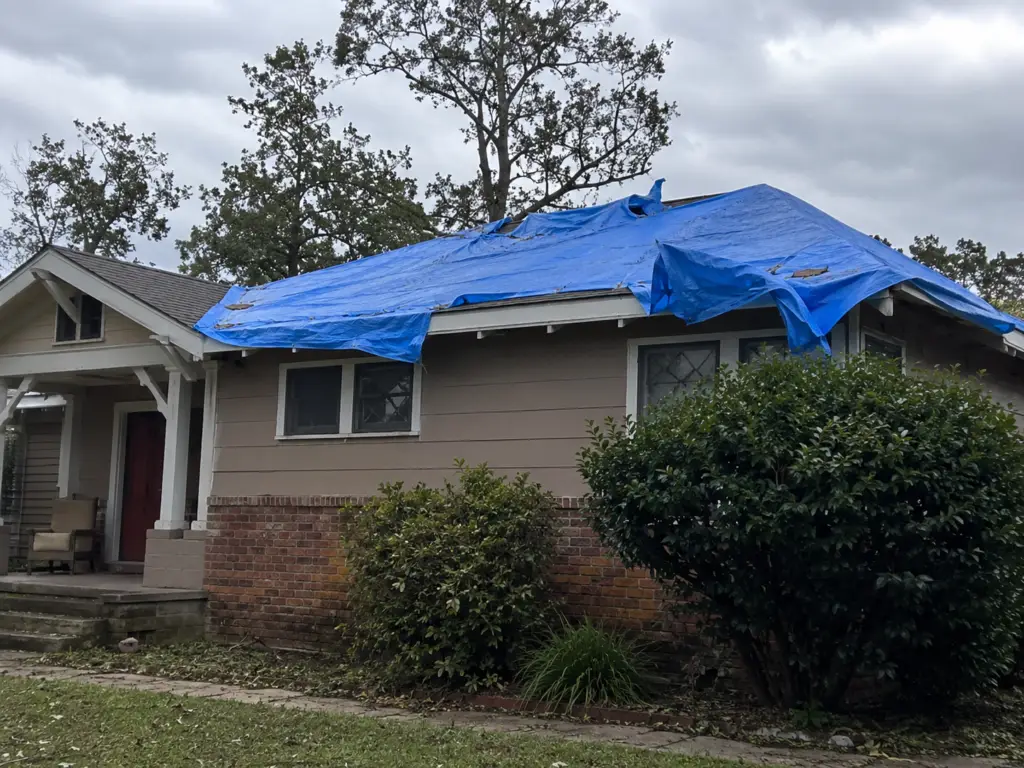
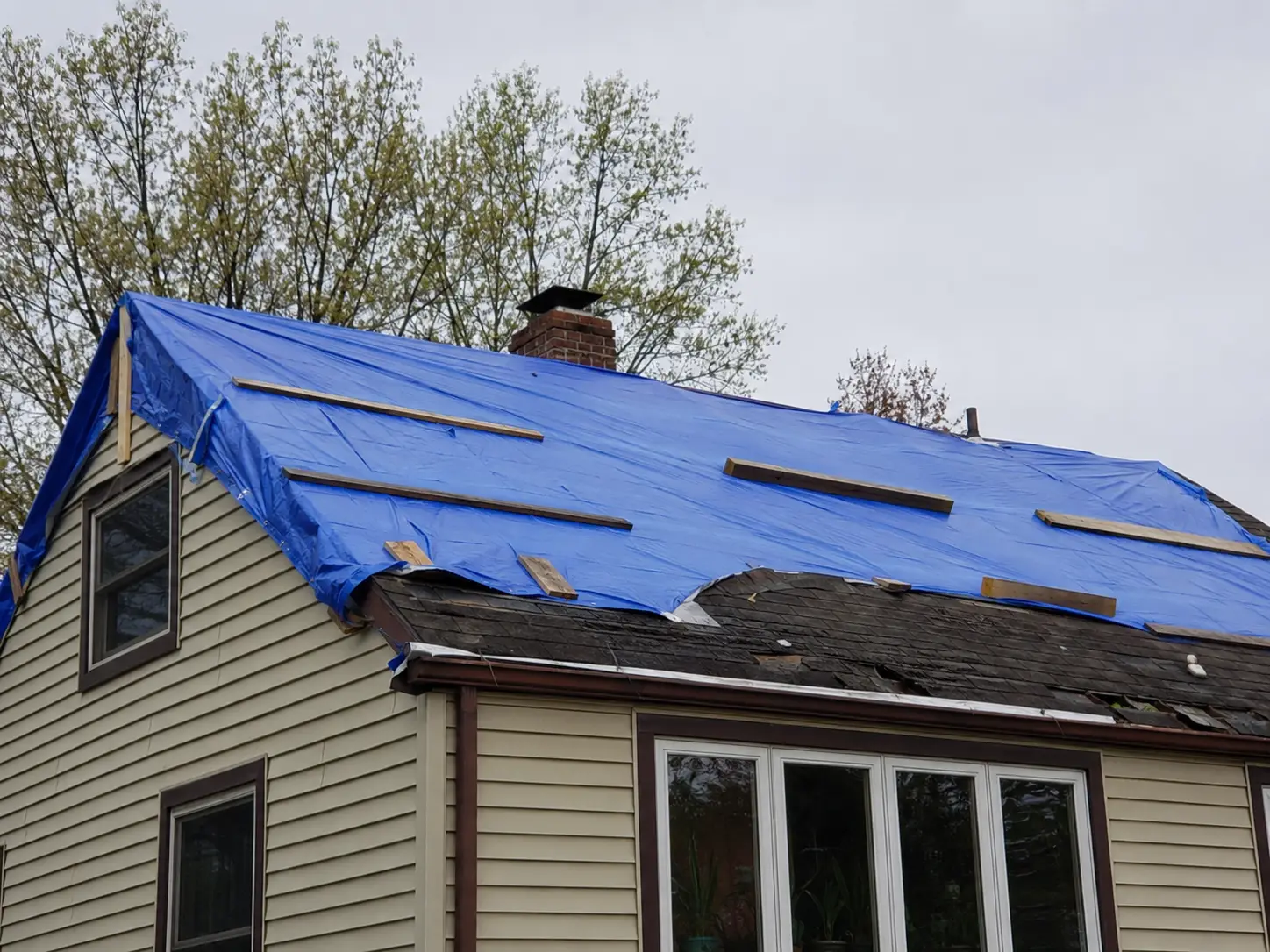
A storm tarp covers a damaged roof area for temporary protection. It may help reduce water entry until permanent repairs are reviewed.

However, tarping does not fix shingles, underlayment, decking, flashing, or structural damage. It only helps protect the exposed area for a limited time.

Underlayment is the hidden layer under shingles. Decking is the wood surface below roof materials.

Because storm damage can hide under shingles, homeowners should not rely on a tarp alone.

Common Storm Tarping Mistakes Homeowners Should Avoid

Storm tarping mistakes homeowners should avoid often happen during stress after a storm. However, slowing down can prevent unsafe choices.

Common mistakes include:

  • Climbing on a damaged roof
  • Using a tarp that is too small
  • Leaving gaps near roof edges
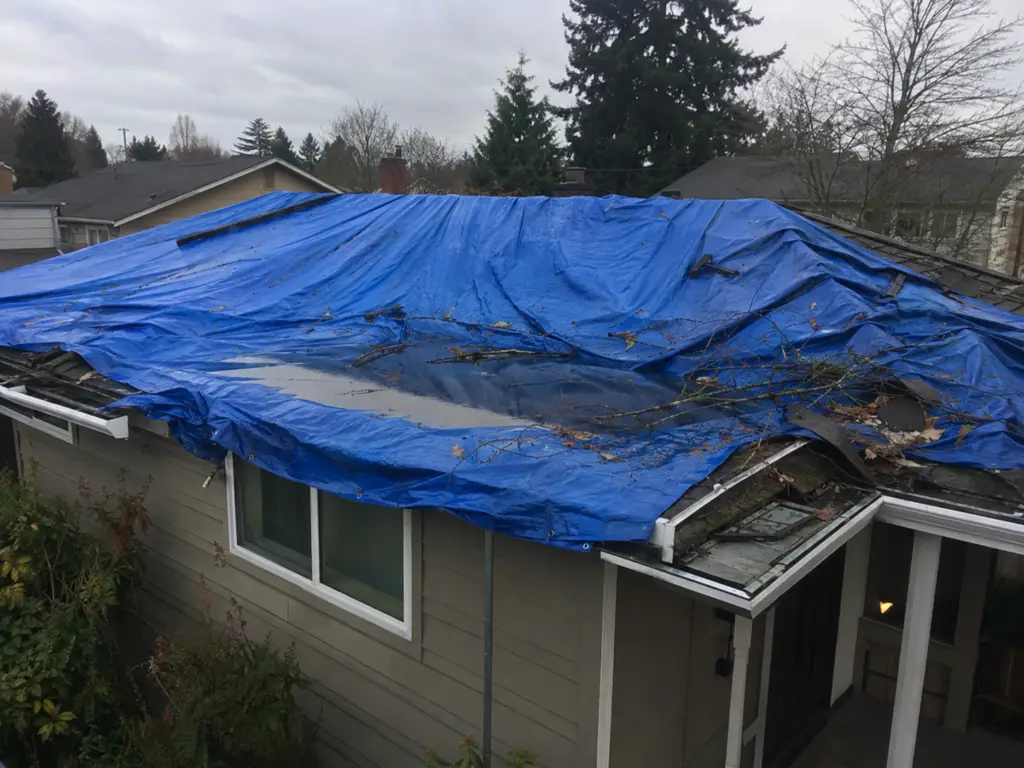
  • Letting water pool on the tarp
  • Covering damage without photos
  • Using loose weights
  • Ignoring attic leaks
  • Waiting too long for inspection
  • Assuming the tarp fixed the roof
  • Filing a claim without records

If roof damage is visible, take photos from safe areas. Then, call a professional for inspection and temporary protection.

Storm Tarping Mistakes Homeowners Make With Safety

Storm tarping mistakes homeowners make often start with unsafe roof access. After storms, shingles can be wet, loose, or damaged.

Also, branches, hail, and wind can weaken roof sections. Therefore, walking on the roof can create serious risks.

Do not climb on steep, wet, or damaged roofs. Instead, check damage from the ground.

If water is entering your home, protect belongings indoors. After that, call a roofing professional.

Storm Tarping Mistakes Homeowners Make With Coverage

Storm tarping mistakes homeowners make can also involve poor coverage. A tarp must cover the damaged area correctly.

If the tarp is too small, water can run under it. Also, wrinkles or low spots can hold water.

A tarp should help water move away from the damaged area. However, poor placement can trap water instead.

Because roof slopes vary, professional tarping is often safer and more effective.

Main Causes Of Storm Tarping Problems

Storm tarping problems usually happen because damage is rushed or misunderstood. Homeowners may want quick protection, which makes sense.

However, tarping requires safe access, correct placement, and clear water flow. It also requires understanding the roof damage area.

Common causes include:

  • Heavy rain pressure
  • Wind lifting loose tarps
  • Tarps placed below damage
  • Open roof edges
  • Missing shingles
  • Fallen branches
  • Torn roof vents
  • Damaged flashing
  • Weak roof decking
  • Poor drainage paths

Flashing is metal placed around roof openings. It helps move water away from weak areas.

In addition, strong wind can loosen poorly secured tarps. As a result, water may enter again.

Why Acting Quickly Matters After Roof Damage

Fast action matters after storm damage because water can spread quickly. A small opening may become a larger leak during the next rain.

Acting quickly helps protect attic areas, ceilings, insulation, and interior finishes. It also helps keep damage records clear.

Quick action may help you:

  • Reduce water entry
  • Protect personal belongings
  • Limit ceiling stains
  • Document storm damage
  • Understand repair options
  • Prepare insurance information
  • Schedule permanent roof repairs

However, no contractor can guarantee insurance approval. Your insurance company decides coverage based on your policy.

Storm Tarping Mistakes Homeowners And Insurance Claims

Storm tarping mistakes homeowners make can affect documentation. Insurance conversations usually need clear records.

Start with photos before temporary protection begins. Also, write down the storm date and visible damage.

Keep inspection reports, estimates, photos, and receipts together. In addition, save notes from calls with your insurance company.

A homeowners insurance claim depends on your policy and the cause of damage. Therefore, ask your insurer about deductibles, coverage, and claim steps.

For official temporary roof protection context, review this Operation Blue Roof guidance from the U.S. Army Corps of Engineers.

Storm Tarping Mistakes Homeowners Documentation Checklist

Storm tarping mistakes homeowners can avoid include skipping documentation. A simple folder can help you stay organized.

Include:

  • Photos before tarping
  • Photos after tarping
  • Photos of ceiling stains
  • Photos of attic moisture
  • Photos of fallen branches
  • Storm date and weather notes
  • Emergency repair receipts
  • Roof inspection report
  • Written repair estimate
  • Insurance claim notes

Also, avoid throwing away damaged materials too early. First, take photos and ask your insurer what they need.

storm tarping mistakes homeowners

Repair Vs. Temporary Tarping

A tarp is a temporary step, not a final repair. It may help reduce further water entry after sudden damage.

However, permanent repair still needs a roof inspection. The roof may have lifted shingles, damaged flashing, torn underlayment, or soft decking.

A repair may be enough when damage affects one small area. However, a larger roof review may be needed when damage spreads.

When Temporary Tarping May Help

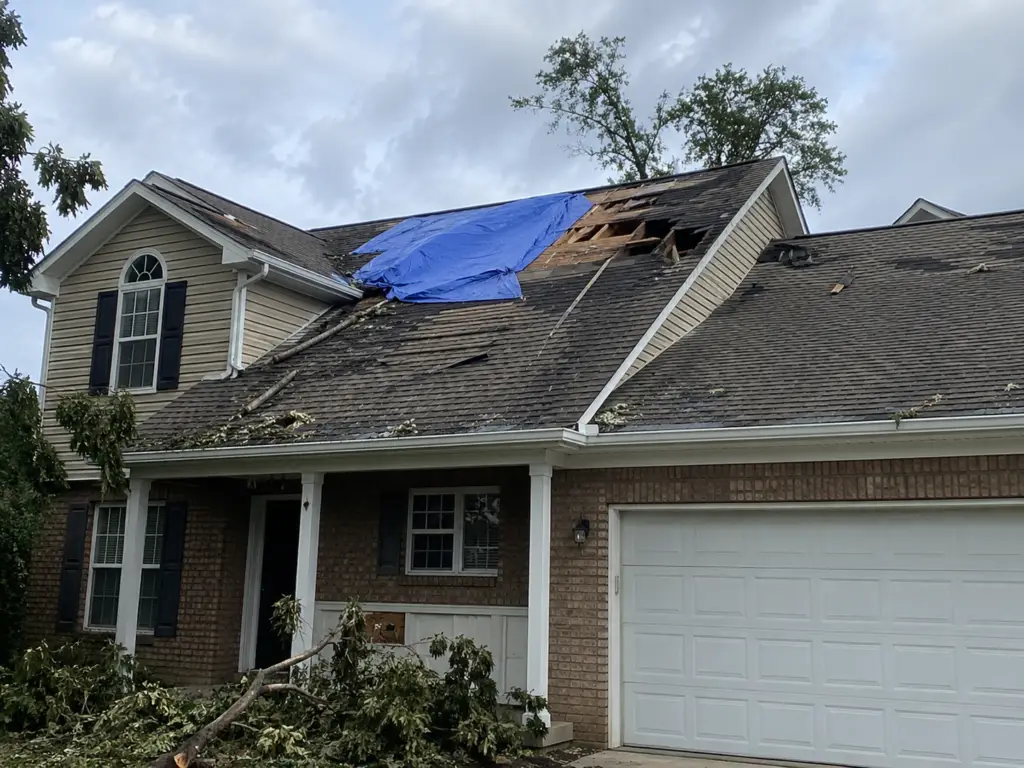
Temporary tarping may help when roof damage leaves an open area. It may also help when rain is expected before repairs begin.

Tarping may be considered when:

  • Shingles are missing
  • A branch damaged the roof
  • Water is entering the attic
  • A roof opening is visible
  • Storm repairs need scheduling
  • Interior protection is needed

However, tarping should not delay inspection. The roof still needs proper review.

When Roof Repair May Be Needed

Roof repair may be needed when damage affects shingles, flashing, vents, or roof edges. Also, repair may help when one leak source is clear.

Repair may be considered when:

  • Damage is limited
  • The roof deck is stable
  • Nearby shingles lay flat
  • Flashing can be corrected
  • The leak source is known
  • Storm damage is contained

A professional inspection can explain the condition clearly. After that, homeowners can choose the next step.

How To Protect Your Home Safely

Start inside your home if water is entering. Move belongings away from wet areas. Also, place containers under active drips.

Then, avoid wet electrical areas. Call a qualified professional if water reaches lights, outlets, or wiring.

Outside, check from the ground only. Look for missing shingles, fallen branches, torn vents, and roof openings.

In addition, take photos from safe areas. Then, contact a roofing contractor for inspection and temporary protection.

Common Tarping Mistakes To Avoid

Homeowners often try to stop water fast. However, unsafe or poor tarping can create extra damage.

Avoid these mistakes:

  • Walking on storm-damaged shingles
  • Using bricks or loose weights
  • Covering only the visible hole
  • Leaving tarp edges open
  • Allowing tarp water to pool
  • Ignoring interior moisture
  • Waiting weeks for inspection
  • Treating tarping as permanent

Also, avoid cutting into roof materials yourself. That can create new leak points.

Why Choose USA Storm Roofing And Construction Group

USA Storm Roofing and Construction Group serves homeowners across the DMV area. The team understands storm damage, emergency tarping, roof leaks, and inspection needs.

The company helps homeowners with clear explanations and practical next steps. It also helps document visible roof damage for insurance conversations.

USA Storm Roofing and Construction Group can help with:

  • Storm damage inspections
  • Emergency roof tarping review
  • Roof leak inspections
  • Temporary protection planning
  • Damage documentation support
  • Roof repair planning
  • Free roofing estimates

The goal is simple. Help homeowners protect their homes after storms without unsafe guesswork.

Local Storm Tarping Mistakes Homeowners Should Know In The DMV

USA Storm Roofing and Construction Group serves Maryland, Virginia, and Washington DC. Local experience matters because DMV storms can move quickly.

For local coverage details, visit the storm damage service areas. You can also read more storm tarping mistakes homeowners tips on the company blog.

Local search examples include:

  • Roof inspection Virginia
  • Roof inspection Washington DC
  • Roof repair Maryland
  • Storm damage repair Fairfax
  • DMV roofing contractor
  • Free roofing estimate near me

If your roof needs temporary protection after storm damage, schedule an inspection soon.

storm tarping mistakes homeowners

Storm Tarping FAQs For DMV Homeowners

What Are The Biggest Storm Tarping Mistakes Homeowners Make?

The biggest mistakes include climbing on damaged roofs and using small tarps. Also, homeowners often skip photos before tarping. Therefore, safety and documentation should come first.

Should I Tarp My Roof Myself After A Storm?

You should avoid climbing on a storm-damaged roof. Wet or damaged shingles can be unsafe. Instead, call a roofing professional for help.

Is A Roof Tarp A Permanent Repair?

No, a roof tarp is temporary protection. It may reduce water entry for a short time. However, the roof still needs inspection and repair.

Can Poor Tarping Cause More Damage?

Yes, poor tarping can allow water under the tarp. Also, loose tarps can lift in wind. As a result, leaks may continue.

Will Homeowners Insurance Cover Roof Tarping?

Coverage depends on your policy and the damage cause. Therefore, your insurance company decides claim coverage. Also, ask your insurer about temporary repair rules.

Do You Serve Virginia, Washington DC, And Maryland?

Yes, USA Storm Roofing and Construction Group serves the DMV area. In addition, this includes Maryland, Virginia, and Washington DC homeowners.

Conclusion

Temporary tarping can help after storm roof damage, but mistakes can create more problems. This storm tarping mistakes homeowners guide explains what to avoid, what to document, and when to request help. It also helps DMV homeowners stay safer after wind, hail, or heavy rain.

If you live in Maryland, Virginia, or Washington DC, contact USA Storm Roofing and Construction Group today. Request a free roof inspection, free roofing estimate, or storm damage assessment before temporary roof damage becomes worse.

Scroll to Top