Buckling Roof Shingles Signs: Repair Guide

buckling roof shingles signs

Introduction

Buckling roof shingles signs can show that your roof surface is no longer lying flat. At first, the raised or wavy areas may look minor. However, buckling can point to moisture, decking movement, poor ventilation, or aging roof materials.

Homeowners in Virginia, Washington DC, and Maryland face heat, humidity, heavy rain, wind, and seasonal storms. Because of that, buckled shingles should not be ignored.

In this guide, you will learn what buckling shingles mean. You will also learn common signs, causes, repair options, and when to contact USA Storm Roofing and Construction Group.

Why Buckling Roof Shingles Signs Matter

Buckling roof shingles signs matter because shingles help protect your home from water, wind, and sun. When shingles lift or wrinkle, they may not shed water correctly.

As a result, rain can move into weak areas. Then, moisture may reach underlayment, decking, attic insulation, or ceilings.

Underlayment is the hidden layer beneath shingles. Decking is the wood surface below the roof materials.

Therefore, buckling should be reviewed before leaks or hidden damage spread.

buckling roof shingles signs

What Buckling Shingles Mean For Homeowners

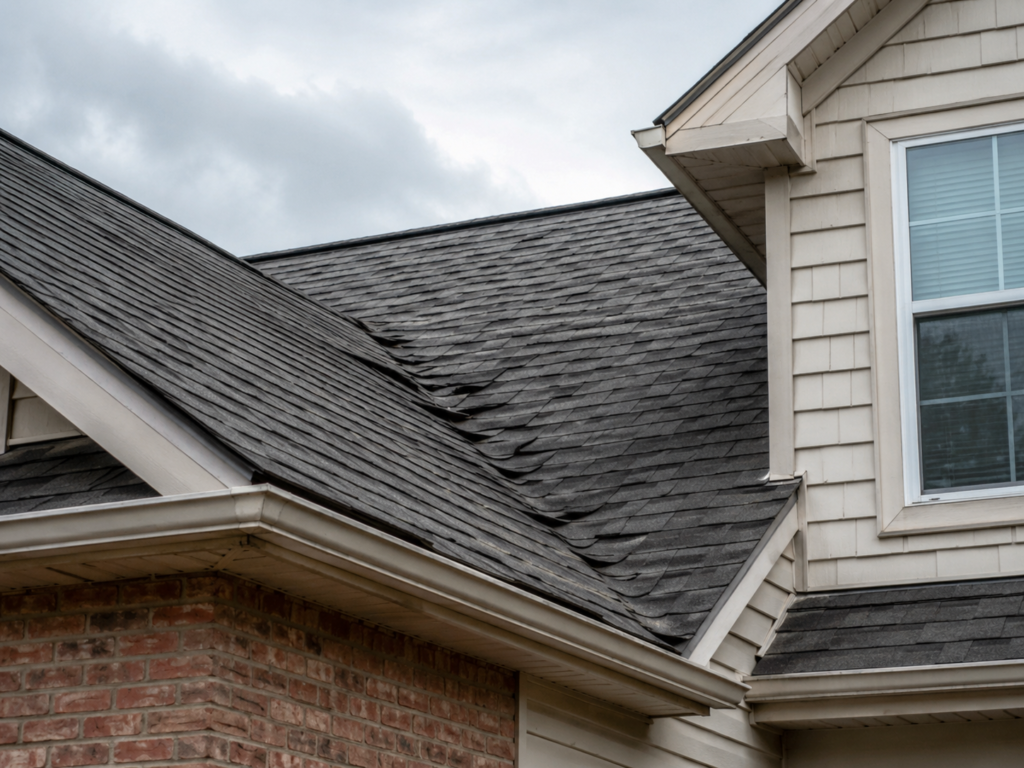
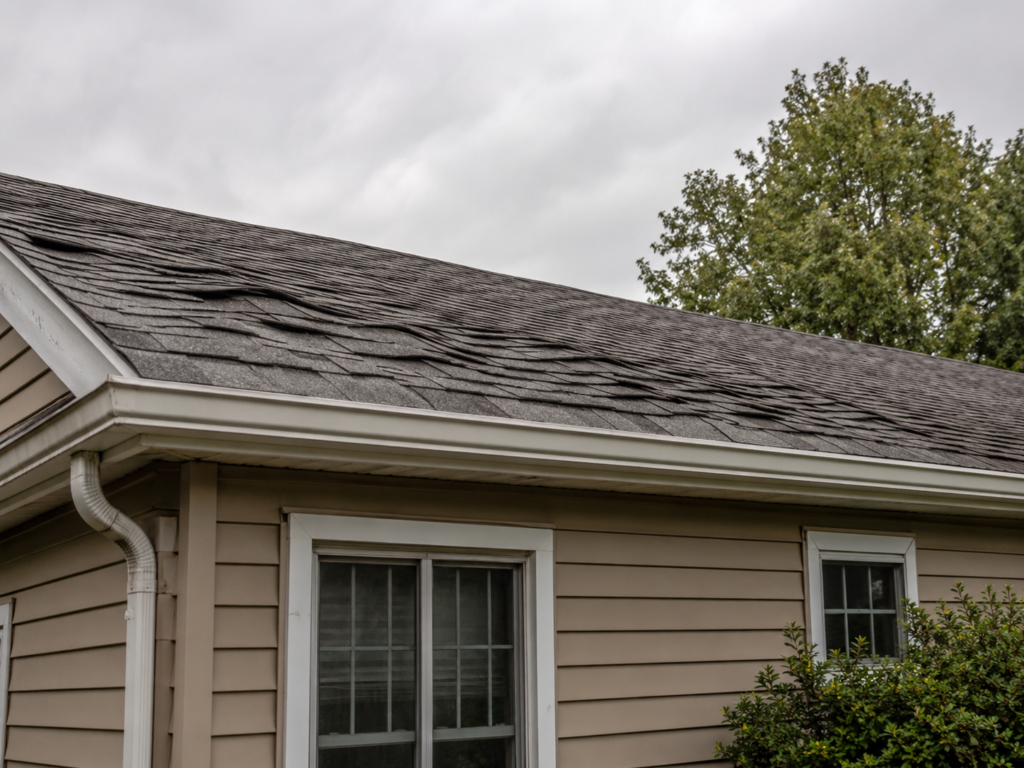
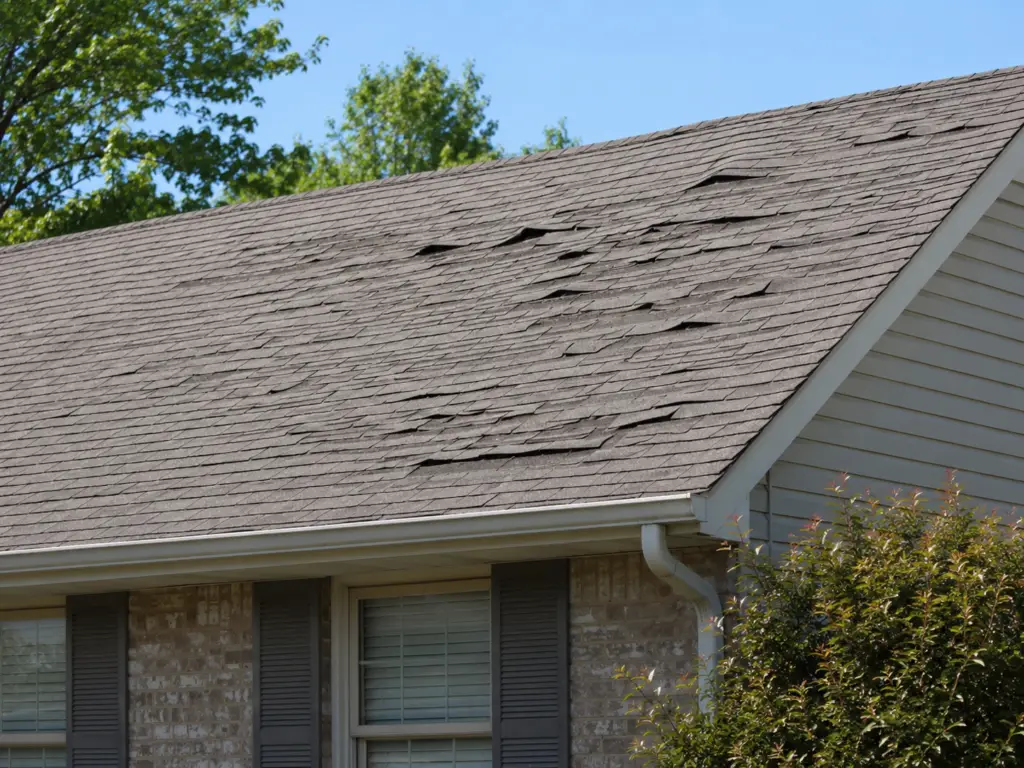
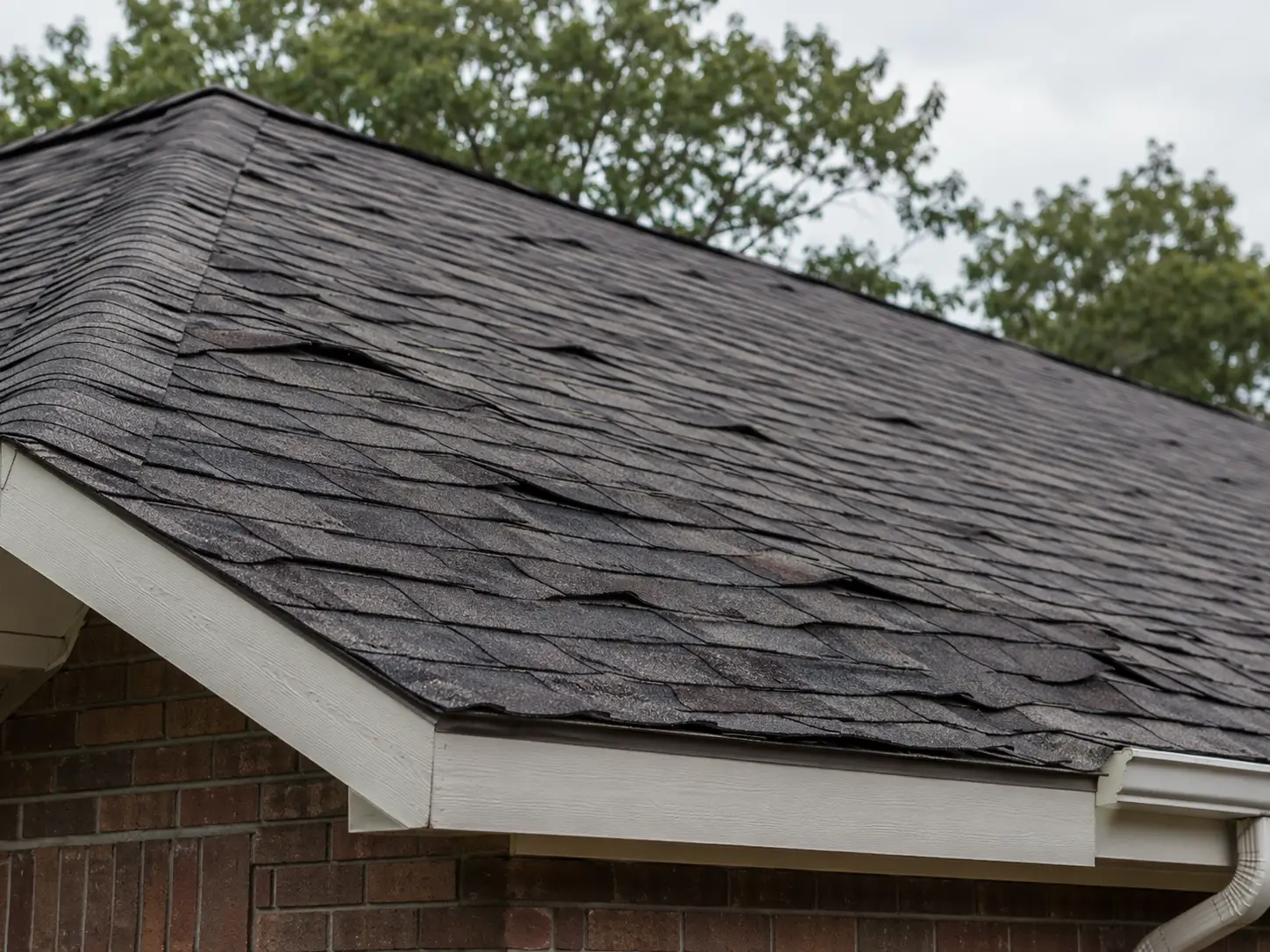
Buckling shingles mean the roof surface has raised, waved, or distorted areas. These areas may run across one section or follow roof deck lines.

Sometimes, buckling appears after installation issues. However, it can also develop from moisture, heat, or roof movement.

A buckled shingle may still be attached. However, it may not sit flat enough to protect the roof properly.

Because the cause can hide below the surface, homeowners should avoid guessing from the ground.

Common Buckling Roof Shingles Signs To Watch For

Buckling roof shingles signs can appear slowly or after storms. Homeowners should check from safe ground areas only.

Common signs include:

  • Wavy shingle lines
  • Raised shingle sections
  • Wrinkled roof areas
  • Uneven roof surface
  • Shingles lifting at edges
  • Granules near downspouts
  • Water stains on ceilings
  • Damp attic insulation
  • Soft-looking roof areas
  • Leaks after heavy rain

If you notice these signs, take photos when safe. After that, schedule a professional roof inspection.

Buckling Roof Shingles Signs From The Ground

Buckling roof shingles signs may show from the yard or driveway. Look for waves, ridges, or uneven roof lines.

Also, compare different roof slopes. One slope may show more buckling due to sun, shade, or moisture.

Do not climb on the roof to press shingles down. Damaged shingles can break or create safety risks.

Instead, take photos from safe areas and request a professional review.

Buckling Roof Shingles Signs Inside The Home

Buckling roof shingles signs can also connect to interior moisture. Look for ceiling stains, damp attic insulation, or dark attic wood.

Also, check rooms below the buckled roof area after rain. Water can travel before it becomes visible inside.

If you see moisture near lights or outlets, avoid the area. Then, call a qualified professional.

Therefore, interior stains should be checked before they spread.

Main Causes Of Buckling Roof Shingles

Buckling can happen for several reasons. Some causes begin below the shingles. Others relate to roof age or weather exposure.

Common causes include:

  • Moisture in the roof deck
  • Wrinkled underlayment
  • Poor attic ventilation
  • Heat buildup
  • Roof deck movement
  • Aging shingles
  • Improper fastening
  • Heavy rain exposure
  • Wind stress
  • Previous roof repairs

Attic ventilation helps heat and moisture leave the attic. When ventilation is poor, roof materials may face more stress.

In addition, trapped moisture can affect decking. As a result, shingles may buckle or form raised lines.

Why Buckling Is Different From Curling

Buckling and curling are not the same issue. Buckling often looks like waves, ridges, or raised shingle sections.

Curling usually means shingle edges turn upward or downward. However, both issues can affect roof protection.

Because the causes can differ, inspection matters. A trained roof professional can check the pattern and roof condition.

For added technical guidance, review these buckled shingle facts from ARMA.

Why Acting Quickly Matters

Buckled shingles can create weak points during storms. Wind may lift raised areas more easily. Also, rain may enter under uneven shingle edges.

Fast action helps homeowners understand the cause early. It also helps keep storm records clear.

Acting quickly may help you:

  • Reduce water entry
  • Protect roof decking
  • Limit attic moisture
  • Prevent wider shingle movement
  • Document roof concerns
  • Understand repair options
  • Prepare for insurance questions

However, no contractor can guarantee insurance approval. Your insurance company decides coverage based on your policy.

buckling roof shingles signs

Buckling Roof Shingles Signs: Repair Or Replacement?

Buckling roof shingles signs may point to repair or replacement review. The right option depends on the cause, size, and roof condition.

A repair may work when buckling affects one limited area. For example, one damaged section may need focused attention.

Replacement may need review when buckling appears across several roof slopes. It may also need review when leaks keep returning.

When Roof Repair May Be Enough

Roof repair may be enough when the damage is limited. The nearby shingles and roof deck should also look stable.

Repair may be considered when:

  • One area shows buckling
  • The leak source is clear
  • Shingles remain mostly intact
  • Decking looks firm
  • Moisture damage is limited
  • Storm damage is small

However, repair must solve the real cause. Replacing shingles without fixing moisture may not help.

When Roof Replacement May Need Review

Roof replacement may need review when buckling covers large areas. It may also be needed when roof materials show wider wear.

Replacement may be discussed when:

  • Several slopes show buckling
  • Many shingles are raised
  • Leaks keep returning
  • Decking feels soft
  • Granule loss is heavy
  • Repairs have failed before

A professional inspection can explain the condition clearly. After that, homeowners can choose the next step.

Storm Damage And Insurance Claim Guidance

Storms can make buckled shingles more noticeable. Wind may lift weak areas. Heavy rain may reveal leaks. Also, hail may affect shingle surfaces.

If roof changes appear after a storm, document them from safe areas. Also, write down the storm date and visible damage.

A homeowners insurance claim depends on your policy and damage cause. Your insurer decides what is covered.

Therefore, keep clear records before insurance conversations. Also, ask your insurer about deductibles, coverage, and claim steps.

Buckling Roof Shingles Signs Documentation Checklist

Buckling roof shingles signs documentation helps homeowners stay organized. Keep one simple folder for roof records.

Include:

  • Photos of buckled shingles
  • Photos of uneven roof lines
  • Photos of ceiling stains
  • Photos of attic moisture
  • Photos of granules near downspouts
  • Storm date and weather notes
  • Roof inspection report
  • Written repair estimate
  • Insurance claim notes

Also, avoid removing damaged materials too early. First, take photos and ask your insurer what they need.

How To Check Your Roof Safely

Start with a slow walk around your home. Stay on the ground and avoid ladders after rain.

Look at roof slopes, gutters, downspouts, roof edges, and shaded areas. Also, check inside for ceiling stains.

Check these areas carefully:

  • Roof slopes
  • Roof edges
  • Gutter lines
  • Downspout exits
  • Areas below trees
  • Ceiling corners
  • Attic insulation
  • Rooms after heavy rain

In addition, check after storms. Some buckling concerns become easier to see after heavy rain.

Common Mistakes To Avoid

Homeowners often treat buckling as only a surface issue. However, the cause may sit below the shingles.

Avoid these mistakes:

  • Climbing on the roof
  • Pressing shingles down by hand
  • Ignoring ceiling stains
  • Pressure washing shingles
  • Waiting through repeated storms
  • Filing a claim without photos
  • Painting over water marks
  • Assuming every raised shingle is harmless

Also, avoid quick patches without inspection. A patch may hide the real moisture or decking issue.

Why Choose USA Storm Roofing And Construction Group

USA Storm Roofing and Construction Group serves homeowners across the DMV area. The team understands asphalt shingles, roof movement, leaks, and storm damage concerns.

The company helps homeowners with clear inspections and simple explanations. It also helps document visible roof concerns for insurance conversations.

USA Storm Roofing and Construction Group can help with:

  • Roof inspections
  • Buckling shingle reviews
  • Leak diagnosis
  • Roof deck checks
  • Storm damage assessments
  • Roof repair planning
  • Free roofing estimates

The goal is simple. Help homeowners understand roof problems before damage spreads.

Local Buckling Roof Shingles Signs Support In The DMV

USA Storm Roofing and Construction Group serves Maryland, Virginia, and Washington DC. Local experience matters because DMV humidity, rain, and storms can affect shingles.

For local coverage details, visit the buckling roof shingles service areas. You can also read more buckling roof shingles signs homeowner tips on the company blog.

Local search examples include:

  • Roof inspection Virginia
  • Roof inspection Washington DC
  • Roof repair Maryland
  • Storm damage repair Fairfax
  • DMV roofing contractor
  • Free roofing estimate near me

If you notice raised, wavy, or uneven shingles, schedule an inspection soon.

buckling roof shingles signs

Buckling Roof Shingles FAQs For DMV Homeowners

What Are The First Buckling Roof Shingles Signs?

Start by checking for wavy shingles, raised sections, and uneven roof lines. Also, look after storms. After that, take photos when safe.

Can Buckling Shingles Cause Roof Leaks?

Yes, buckling can create weak areas where water may enter. As a result, leaks may develop after heavy rain. Therefore, early inspection matters.

Is Buckling The Same As Curling?

No, buckling usually looks like waves or ridges. Curling usually affects shingle edges. However, both issues need review.

Can Buckled Shingles Be Repaired?

Sometimes, buckled shingles can be repaired. It depends on the cause and roof condition. However, inspection must confirm the issue first.

Will Homeowners Insurance Cover Buckling Shingles?

Coverage depends on your policy and the damage cause. Therefore, your insurance company decides claim coverage. Also, ask your insurer about policy details.

Do You Serve Virginia, Washington DC, And Maryland?

Yes, USA Storm Roofing and Construction Group serves the DMV area. In addition, this includes Maryland, Virginia, and Washington DC homeowners.

Conclusion

Buckled shingles can point to moisture, deck movement, ventilation problems, or roof wear. This buckling roof shingles signs guide explains what to check, what causes buckling, and when repair may help. It also helps DMV homeowners document concerns before insurance conversations.

If you live in Maryland, Virginia, or Washington DC, contact USA Storm Roofing and Construction Group today. Request a free roof inspection, free roofing estimate, or storm damage assessment before buckled shingles lead to bigger roof problems.

Scroll to Top