
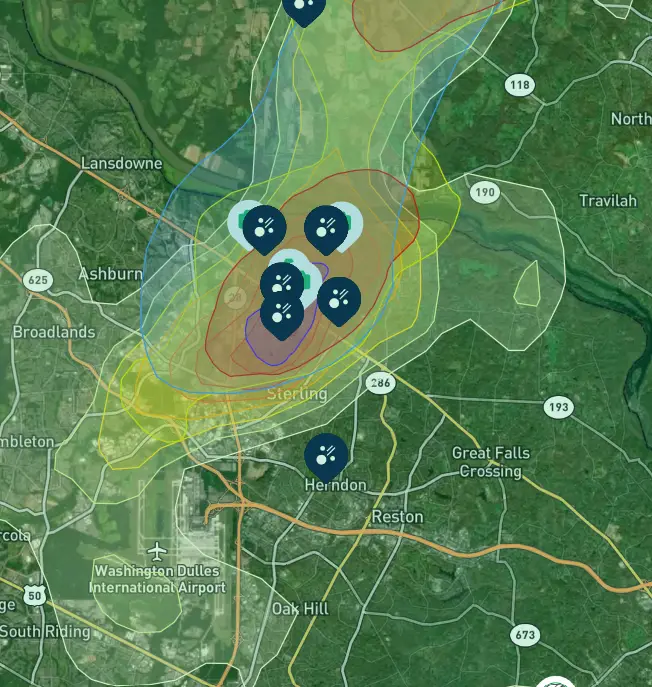
After hail, visible dents or scattered debris are reasons to investigate, not proof that every roof needs replacement. This guide explains how to record changes, arrange an assessment, and compare repair options. It also applies when you are looking back at possible damage from an older storm.
Check safety before checking the roof
Wait until severe weather has passed and stay clear of damaged wiring, unstable branches, broken glass, and loose materials. Do not climb onto the roof to look for hail marks. Use photographs taken from a safe location and follow official weather and emergency guidance for your area.
Record what changed
Write down the storm date if known, when symptoms began, and which parts of the home are affected. Ground-level observations might include dents in exposed metal, cracked siding, damaged screens, missing shingles, or new interior stains. These observations help plan an inspection, but their cause and significance need assessment.
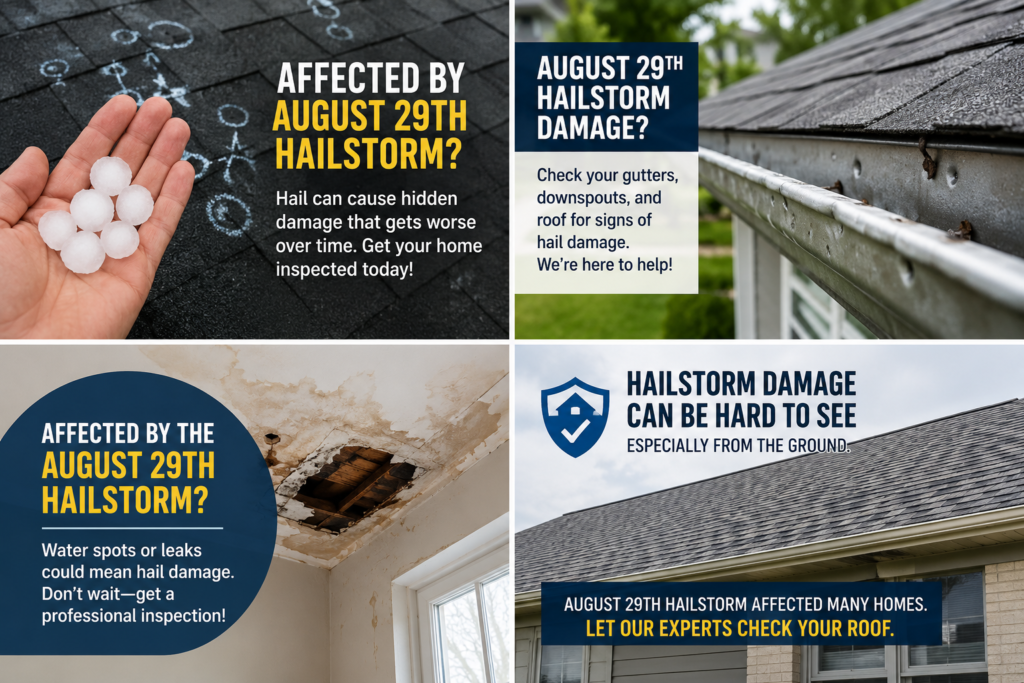
Ask for an assessment with clear limits
A roofing contractor can inspect accessible surfaces, photograph findings, and explain whether visible damage appears consistent with impact or another cause. Hail, ordinary wear, installation problems, and previous repairs can produce different conditions. An exterior visit does not guarantee that every hidden problem will be found.
For water entering the home, describe when and where the leak appears. A separate paid leak diagnosis may be appropriate. Confirm the fee and investigation scope before booking.
Compare repair with replacement
A focused repair may suit limited damage when surrounding materials remain serviceable. Broader damage, matching limitations, or deterioration elsewhere can affect the options. Ask the estimate to distinguish damaged areas from optional upgrades and to explain why a particular scope is recommended.
Keep insurance questions separate
Report suspected covered damage to your insurer and ask about policy requirements, deadlines, deductibles, and documentation. This is particularly important for an older storm; a dated web article does not establish when your property was damaged or whether a claim is eligible.
We can provide photographs and a repair estimate through our claim-support service. Your insurer decides coverage and payment. Keep records of inspections, temporary protection, invoices, and communications.
What belongs in the repair plan?
- The affected roof, siding, gutter, or window areas.
- Selected products and how they connect to existing materials.
- Removal, disposal, flashing, and water-management details.
- Any required further investigation or concealed-damage allowance.
- Access, property protection, timing, and cleanup.
- Written warranty terms and the process for approving changes.
If your property was affected by hail or severe weather, learn more about our storm damage restoration services and the next steps for protecting your home.
Arrange the next step
USA Storm Roofing and Construction Group serves the communities listed on our service-area page. Contact us with the symptoms, your address, and any safe photographs. We can discuss an exterior assessment and the appropriate next step for your property.