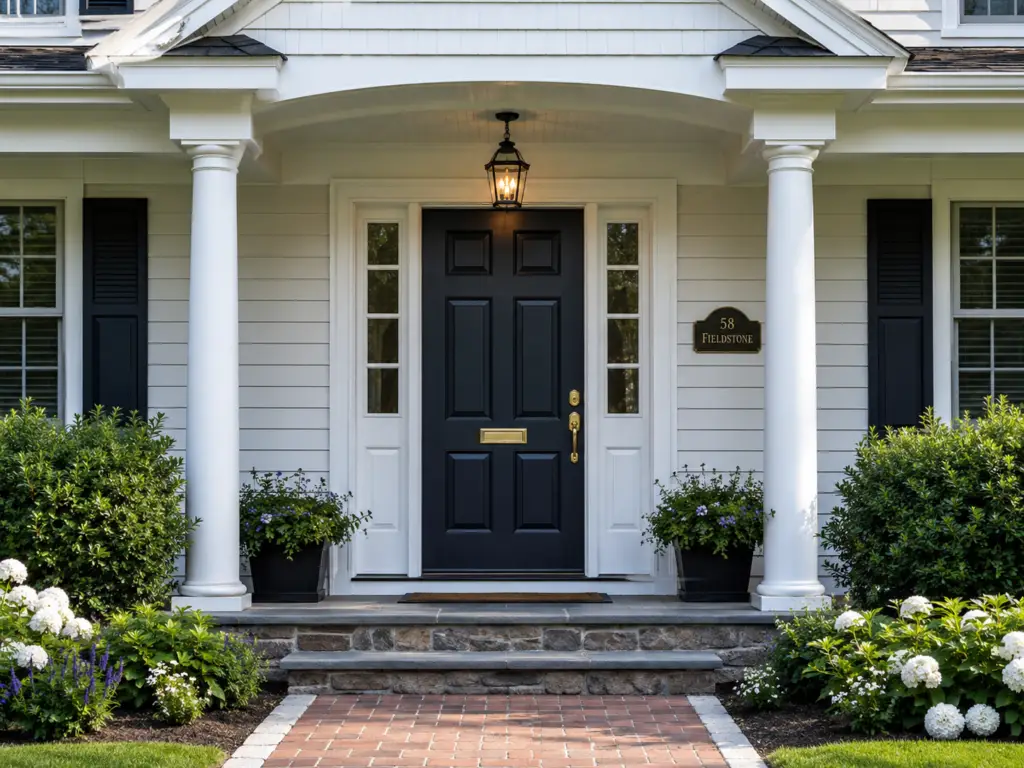
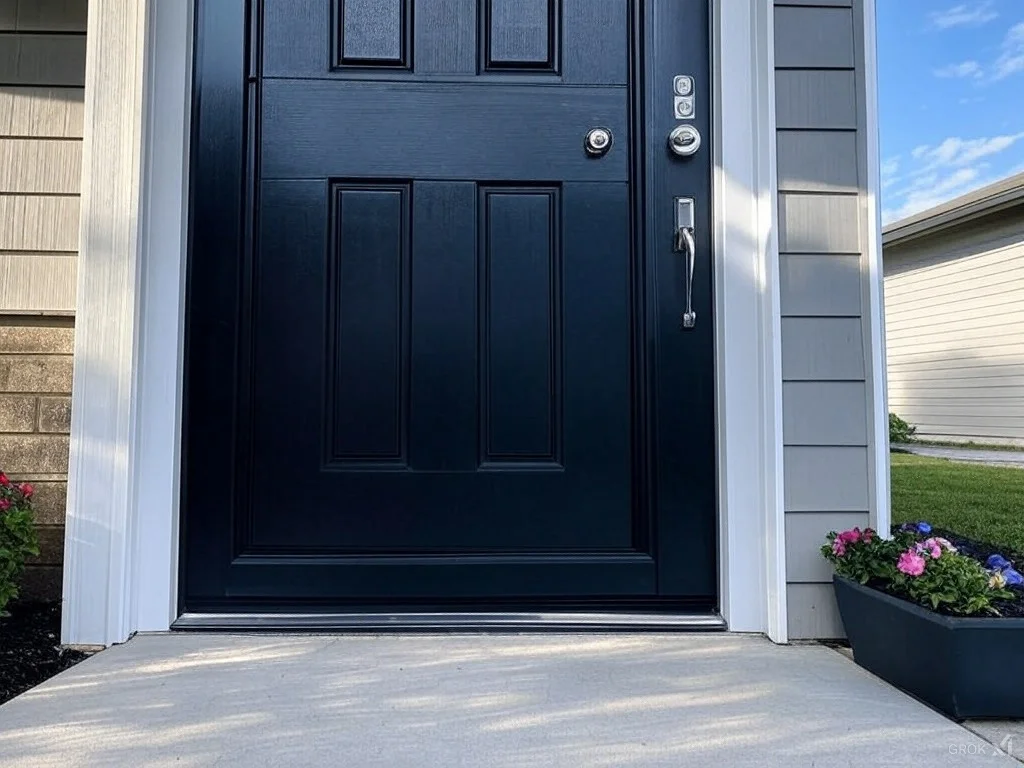
An entry-door project should start with the problem you want to solve: a draft, difficult operation, damaged framing, water entry, or an appearance change. A new door may help, but worn weatherstripping or an adjustable hinge can call for a smaller repair. Check the door and its surrounding opening before choosing a replacement.
Repair the problem or replace the assembly?
Ask whether the slab, frame, threshold, seals, and hardware are sound. A door that rubs may need adjustment; persistent movement, rot, or water staining needs investigation. Replacing only the slab leaves the existing frame in place, so it will not necessarily correct a damaged opening or poor flashing.
A prehung replacement includes a door fitted to a frame. It can provide access to the surrounding opening, but trim, siding, flooring transitions, and finish work may also be affected. Have the proposal explain which parts will be removed and how any concealed damage will be handled.
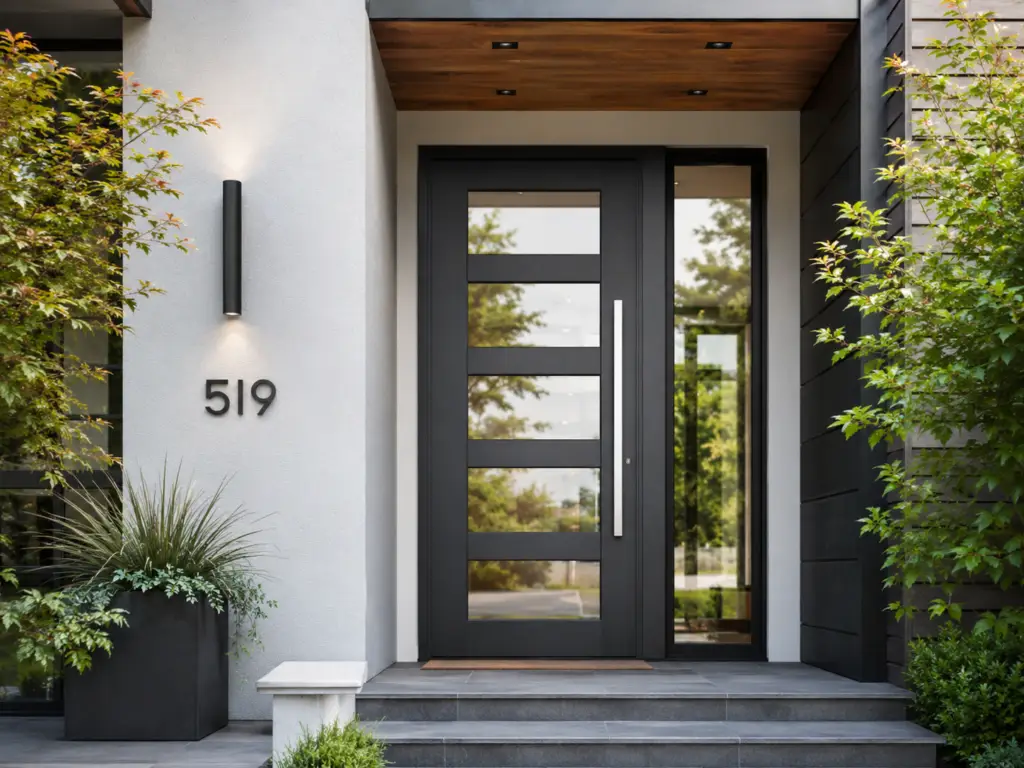
Compare the exact door product
- Fiberglass: compare the construction, finish, glass options, care instructions, and exposure limits for the model you are considering.
- Steel: review the finish and corrosion protection, insulation, repairability, and warranty conditions. Dents and finish damage may need attention.
- Wood: consider the appearance alongside required finishing, maintenance, and protection from weather.
The material name alone does not establish energy performance, security, or service life. Compare the complete assembly, including glazing, hardware, frame, and installation requirements.
Understand energy ratings and glass choices
Look at the ratings for the proposed door and glass configuration. ENERGY STAR guidance for windows, doors and skylights explains certification and climate considerations. A lower U-factor indicates less heat transfer; solar heat gain and the amount of glazing also matter.
Replacing a drafty assembly and sealing the opening properly can improve comfort. The effect on bills depends on the old door, the new product, climate, use, and the rest of the house. A particular savings amount should not be assumed.
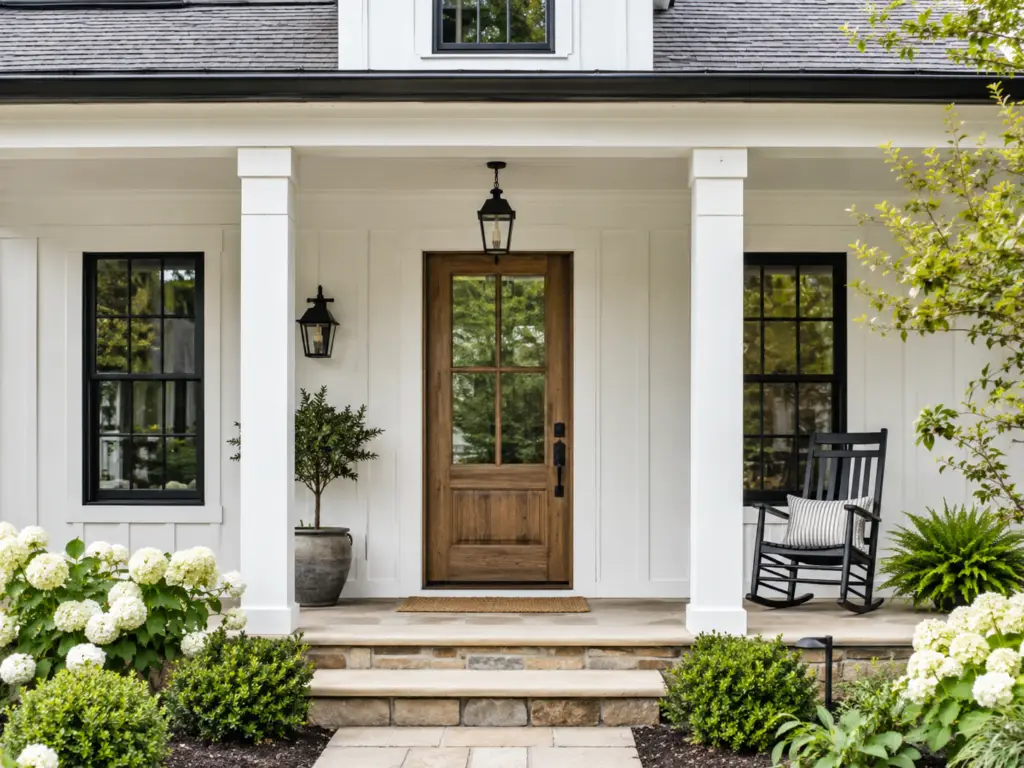
Decide how the entrance needs to work
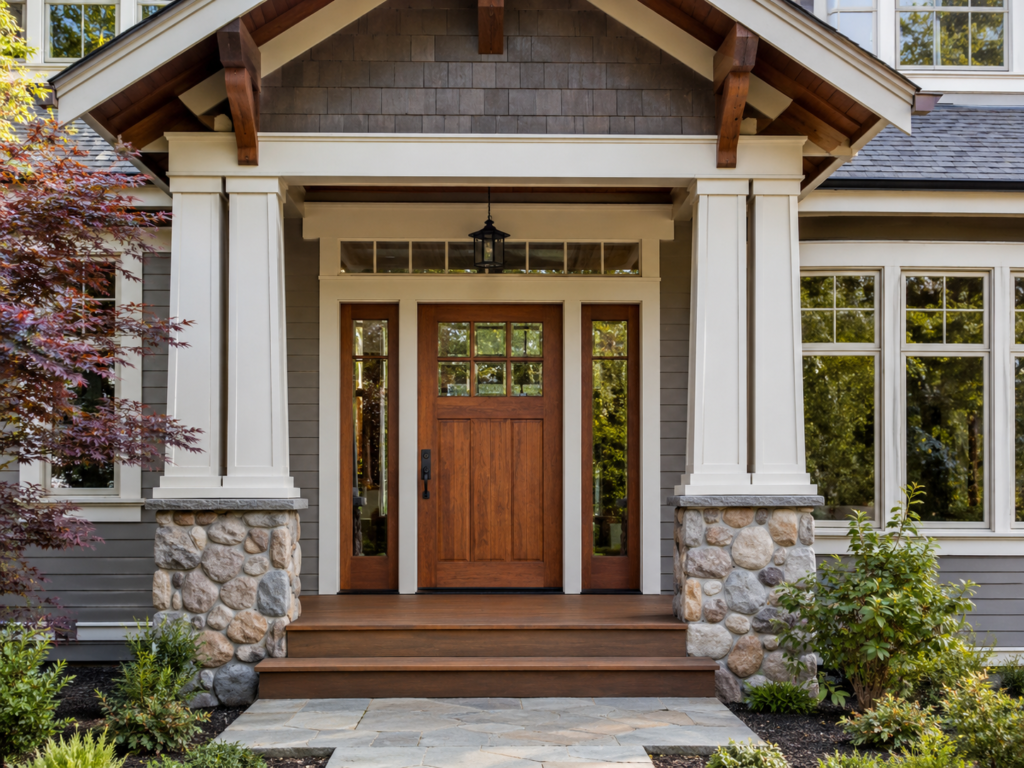
Check the opening size, handing and swing direction, threshold height, and clearance for furniture and daily access. Discuss privacy glass, sidelights, locks, and compatibility with a storm door. Follow the selected manufacturer’s guidance on exposure and storm-door use.
Security depends on the full installation, including the frame and hardware attachment. A different slab material alone does not establish a particular forced-entry rating. Ask for documented product ratings when that is a priority.
Put installation details in the quote
- Exact door model, size, finish, glazing, and included hardware.
- Slab-only or complete prehung replacement, with removal and disposal stated.
- Opening inspection, sill preparation, flashing, air sealing, and water-management details.
- Interior and exterior trim, painting or staining, and any excluded finish work.
- Responsibility for applicable approvals and concealed-damage change orders.
- Estimated delivery and installation timing, payment terms, and written warranties.
Check the work at handover
Operate the door, latch, deadbolt, and any sidelights or moving glass with the installer. Check for rubbing and an even seal, and ask how the threshold and weatherstripping should be maintained. Keep the product information, care instructions, warranty documents, and final scope together.
Common questions
How much will replacement cost?
The price depends on the selected assembly, size, glass, hardware, condition of the opening, and finish work. Compare itemized quotes for the same scope rather than a door-only price against a full installation.
How long will the project take?
Product lead time and installation time are separate. Opening repairs, custom sizing, approvals, and weather can affect the schedule. Ask how the entrance will be secured if the work cannot be completed in one visit.
Is a higher energy bill proof that the door needs replacement?
No. Weather, rates, heating and cooling equipment, insulation, air leakage elsewhere, and household use can also change bills. Assess the door’s condition and actual symptoms.
Contact USA Storm Roofing and Construction Group to discuss your exterior project and the proposed door scope. See our service areas for coverage.