
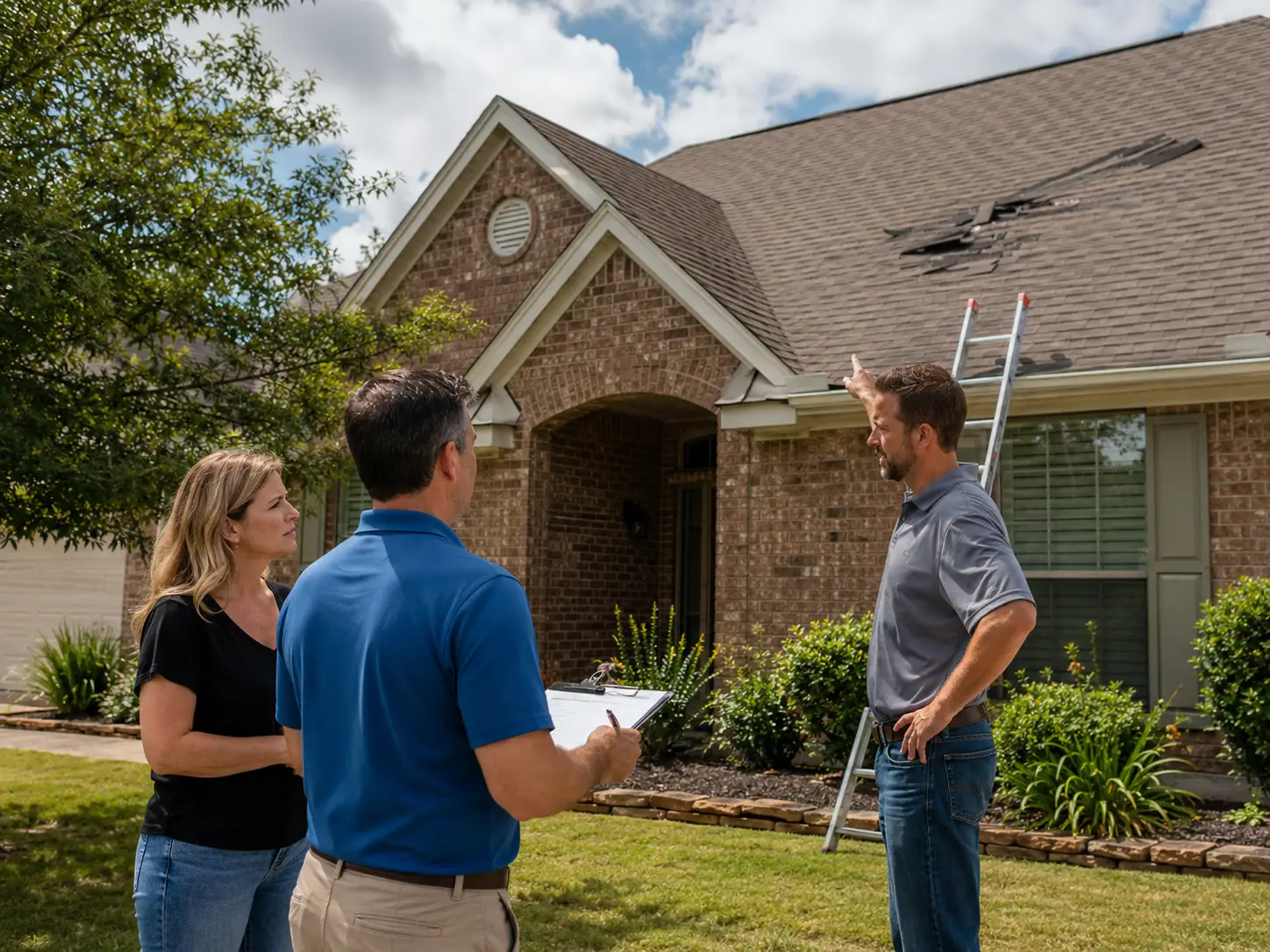
After roof damage, two related conversations need clear records: what work the building needs, and what your insurance policy covers. A contractor can inspect and estimate repairs. Your insurer makes coverage and claim decisions. Keeping those roles clear helps you ask the right questions without assuming that a repair recommendation guarantees payment.
Address safety and contact your insurer promptly
Stay off a damaged roof and keep clear of electrical or structural hazards. Ask about appropriate temporary protection if water is entering. Document conditions from safe locations, but do not delay necessary safety action to collect photos.
Contact your insurer or agent about reporting requirements and applicable deadlines. You do not need to wait for a contractor to finish an inspection before asking those questions. Explain what you observed and when, and distinguish known facts from an uncertain cause.
Build a claim folder you can actually use
- Incident notes: Date first noticed, relevant weather, affected rooms, and any previous problems.
- Photos: Dated overview and detail images from safe positions, with locations identified.
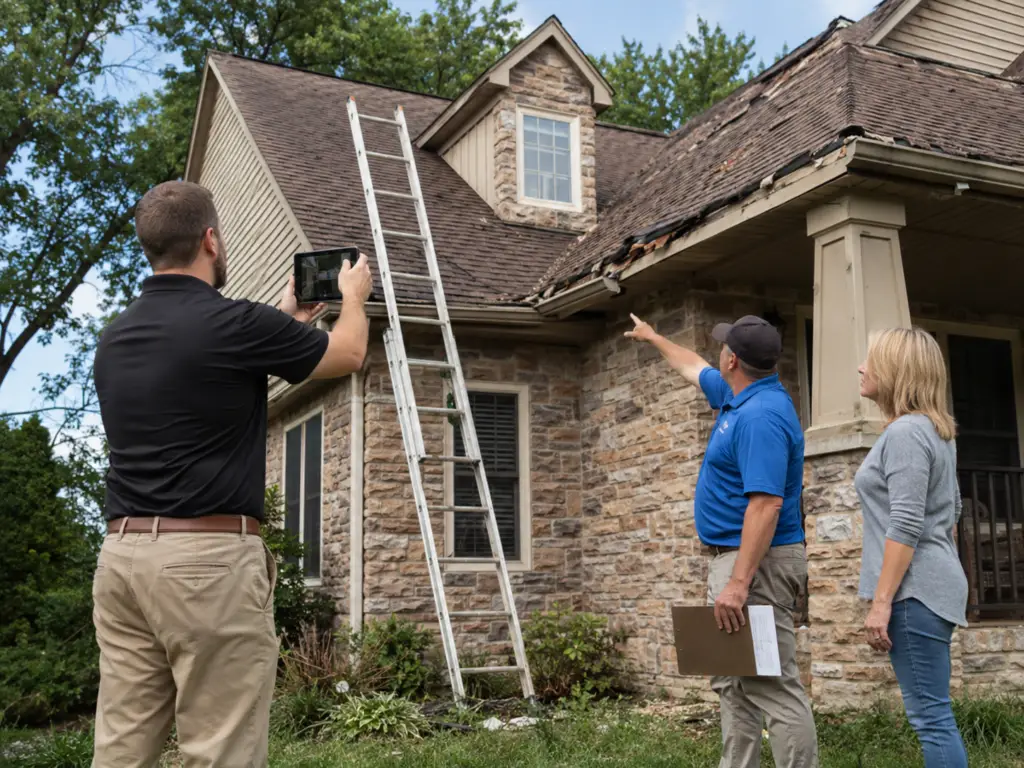
- Assessment: Inspection findings, access limitations, and the basis for recommended work.
- Costs: Written estimates, temporary-protection receipts, invoices, and approved changes.
- Communication: Claim number, contact names, appointment details, requests, and responses.
Ask the insurer what damaged items or additional evidence it needs before disposal when practical and safe. Keep copies of documents you submit and note any outstanding request.
Ask policy questions directly
Useful questions include which deductible applies, how the proposed loss is being assessed, what exclusions or limits may matter, and what settlement conditions or documentation are required. Ask for the relevant explanation in writing when a decision is unclear.
The Virginia State Corporation Commission’s homeowners guide provides general background. Your own policy and insurer’s explanation remain central to your claim; a general article cannot determine coverage.
Compare the work described in each document
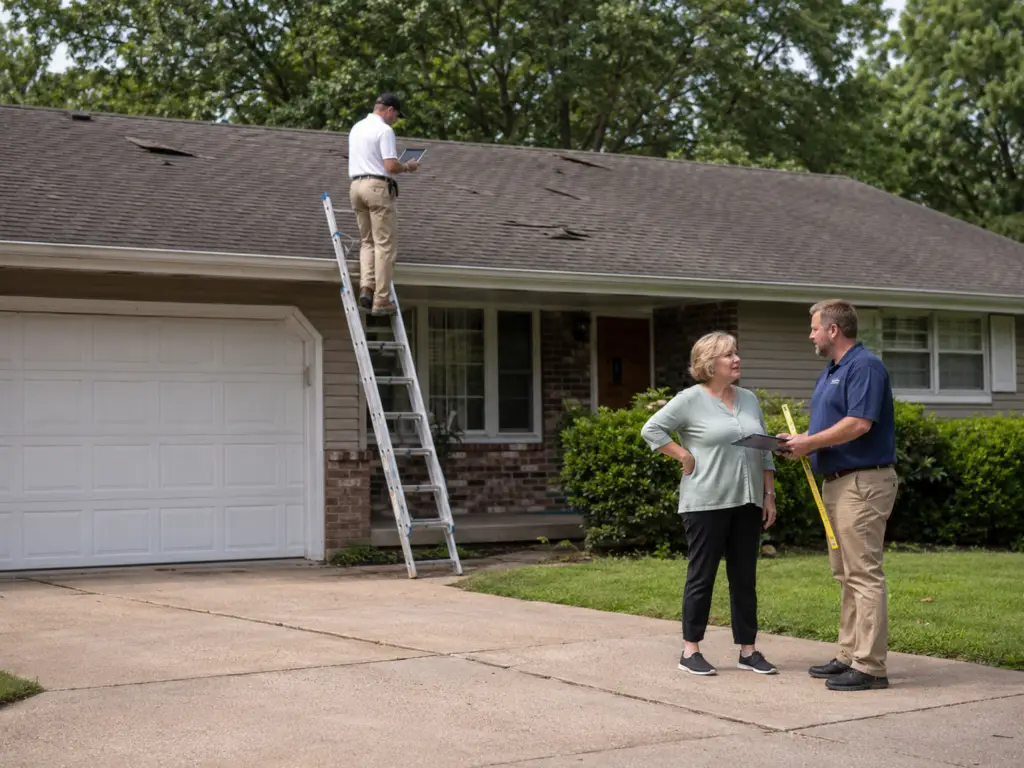
A contractor estimate and an insurer assessment may use different quantities, materials, or assumptions. Compare the actual line items before treating the totals as equivalent. Identify differences in tear-off, flashing, decking allowances, access, disposal, and other work relevant to your roof.
Copy the wording and units from the actual documents before comparing them. This worksheet records differences; it does not determine coverage, entitlement or the correct settlement.
| Item | Contractor document | Insurer document | Evidence or question |
|---|---|---|---|
| Document date/version | — | — | — |
| Measured area or quantity | — | — | — |
| Named material and related work | — | — | — |
| Flashing and concealed-work assumptions | — | — | — |
| Exclusions, allowances and access | — | — | — |
| Requested clarification and response | — | — | — |
Ask the contractor for factual supporting photos and a clear scope. Ask the insurer how to submit additional information or request clarification. Do not describe uncertain damage as confirmed or change the incident date to fit an assumption.
Understand the repair contract separately
Read the work scope, payment obligations, cancellation terms, change process, and warranty information before agreeing to a project. Ask what you would owe if the claim outcome differs from expectations. Do not assume an insurance discussion changes the written contractor agreement.
Arrange an assessment of the roof itself
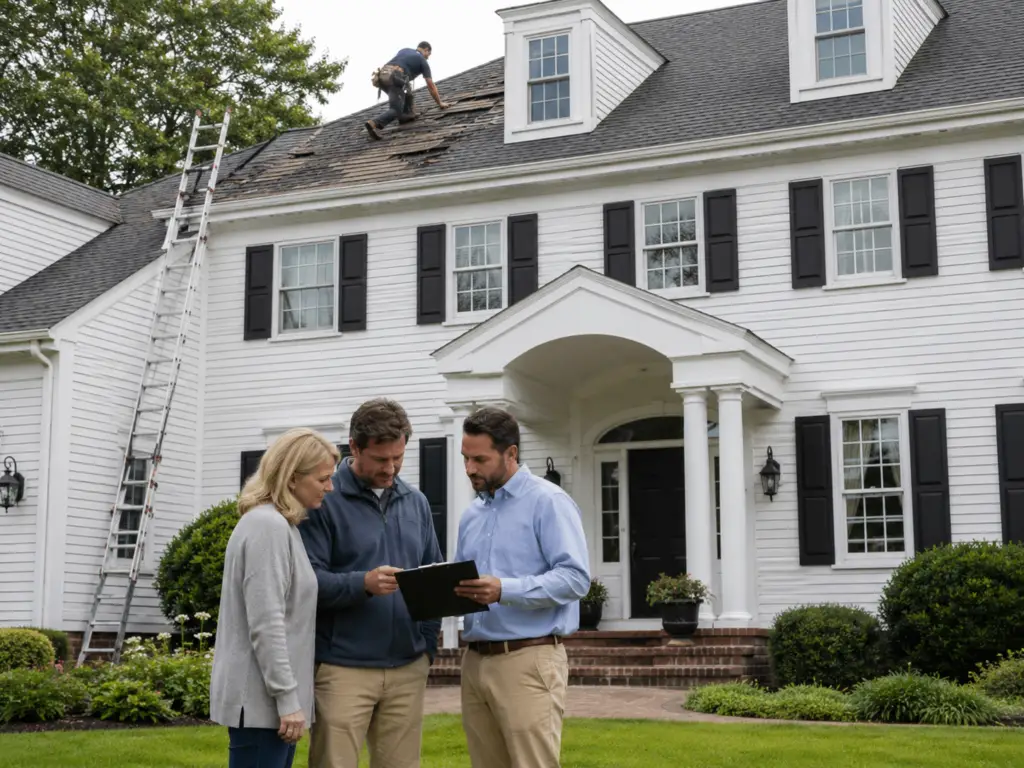
USA Storm Roofing offers storm damage assessments and repair planning across our listed service areas. We can explain observed conditions and provide a written estimate for proposed work. We do not guarantee claim approval or a particular settlement.
Contact our team with your property location and visible concerns. If an active leak requires investigation, ask about the scope and fee for our paid leak diagnosis service, which is separate from a free exterior inspection.