
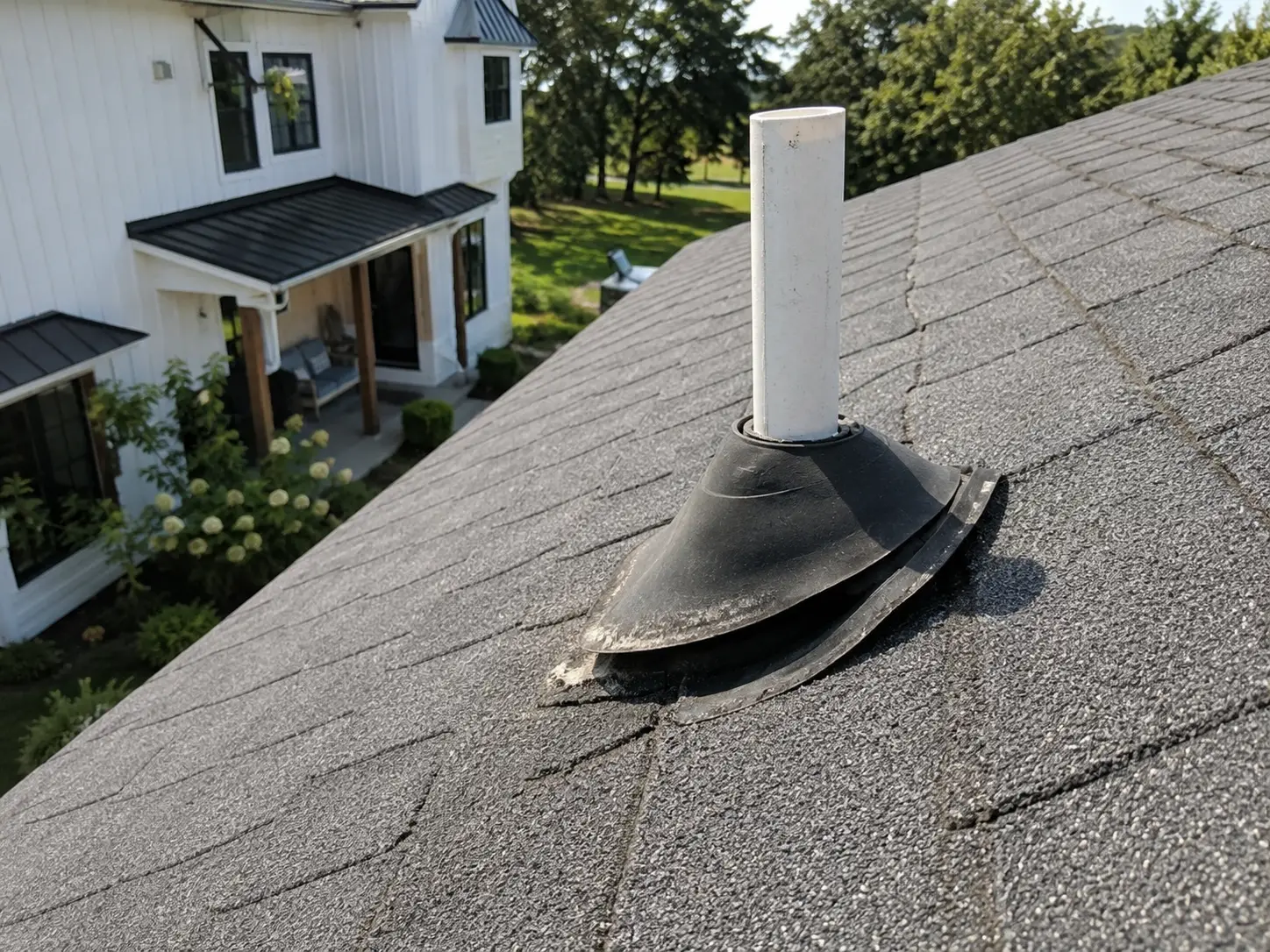
A plumbing vent passes through the roof so the plumbing system can vent outdoors. The flashing around that opening, often called a pipe boot, must shed rain while fitting the pipe. A damaged collar or poorly connected flashing can be a leak source, but a stain near a bathroom is not enough to prove that diagnosis.
Separate the pipe from the roof flashing
The pipe and the weatherproof connection perform different jobs. The roof flashing includes a base integrated with the roof covering and a detail that fits around the pipe. Products differ in material, pipe-size range, and suitable roof application.
Oatey’s roof flashing guidance identifies the pipe’s outside diameter as a product-selection consideration. An apparently similar replacement is not necessarily a correct fit. Ask the roofer to identify a compatible product and follow its instructions.
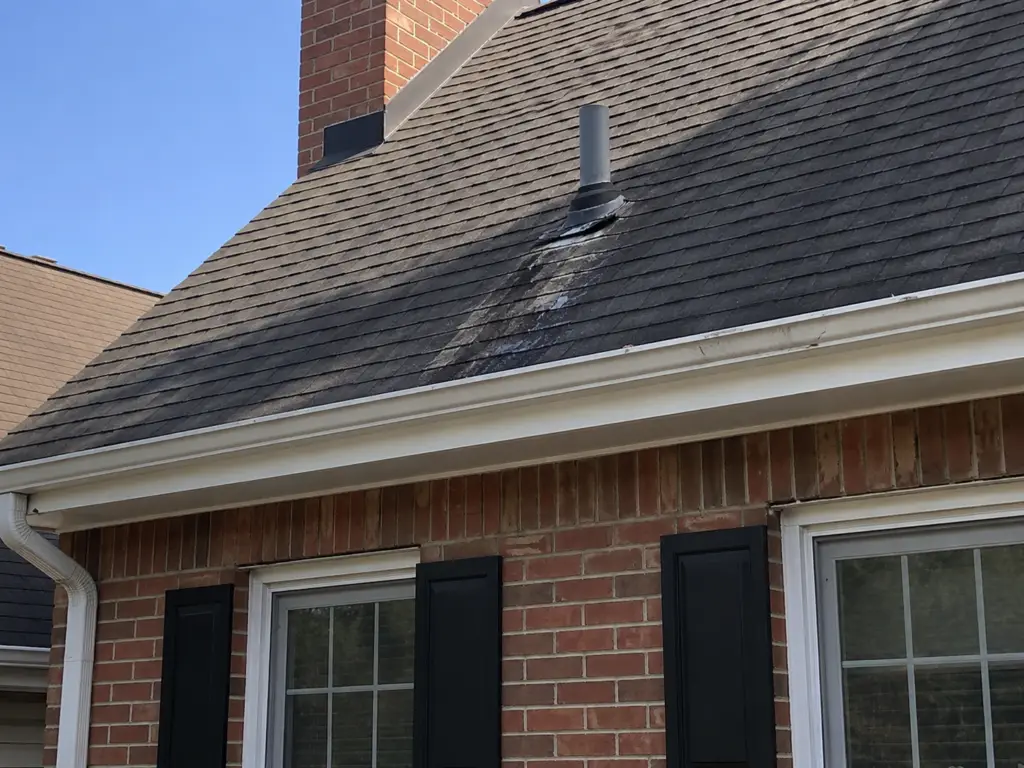
Record when and where moisture appears
Tell the assessor whether the drip follows rain, occurs during dry weather, or seems related to fixture use. Include the first date noticed, the room and ceiling location, and any recent roof or plumbing work. These details help decide whether roofing, plumbing, or another investigation is appropriate.
If a pipe and moisture marks are already visible from a safe access point, record a photo without disturbing insulation or stepping onto ceiling materials. Do not enter an unsafe attic or climb onto the roof. Keep away from wet electrical fixtures and sagging ceilings.
What a useful assessment should consider
- The collar or seal around the pipe and whether the flashing fits the application.
- The flashing base and its connection with surrounding roof materials.
- Nearby shingles, fasteners, and previous patches.
- Available interior evidence and possible alternative water paths.
- What remains hidden and what additional investigation would require.
Ask for photos of the actual finding. A roof may look intact from the ground while a small detail needs attention; equally, a nearby boot should not be blamed without supporting evidence.
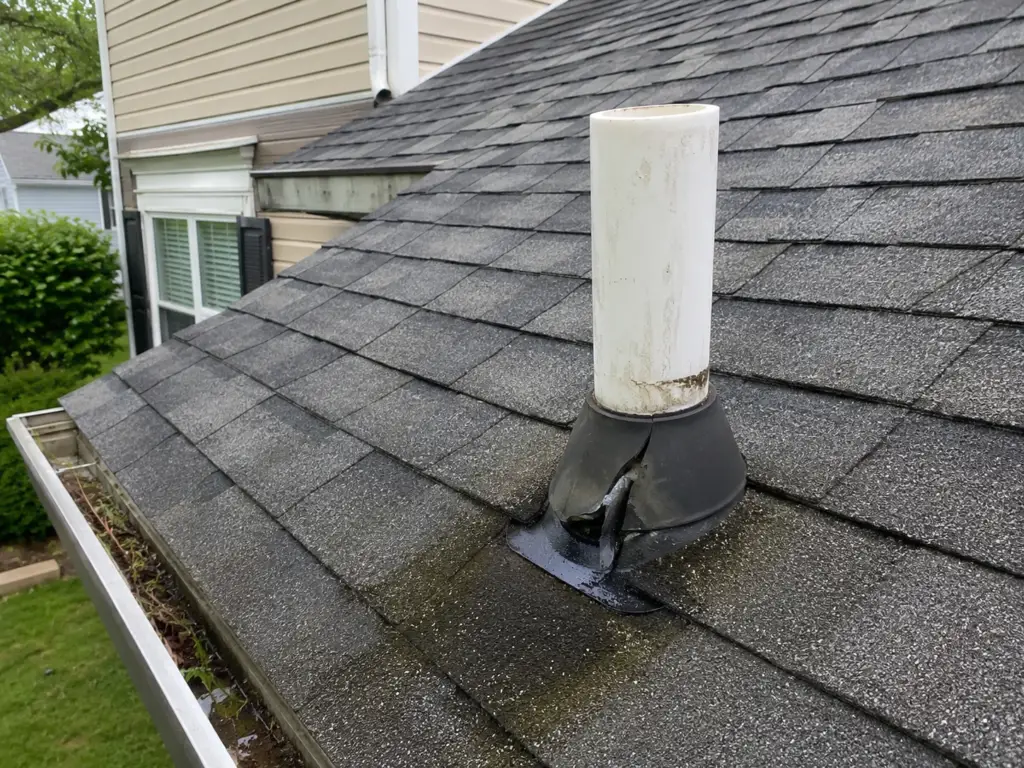
Compare the proposed repair, not just the price
A repair collar, a complete flashing replacement, and a surface sealant patch are different proposals. Ask which part has failed, why the selected product is suitable, and whether the measure is temporary or intended as a lasting repair.
The written scope should identify the affected penetration, materials, surrounding shingles to be disturbed, and how any concealed deck damage will be handled. Clarify the warranty and any limitations caused by the remaining roof’s condition.
Do not cover or block the plumbing vent opening to stop rain. Work on the plumbing system itself may require a plumber. The roofer should explain when the issue extends beyond the roof flashing.
One boot defect does not decide the whole roof’s future
If the problem is localized and adjoining materials can be integrated reliably, a focused repair may be practical. Extensive deterioration or unrelated roof defects may justify discussing a broader scope. Ask for those findings separately rather than treating one cracked component as evidence that all roofing needs replacement.
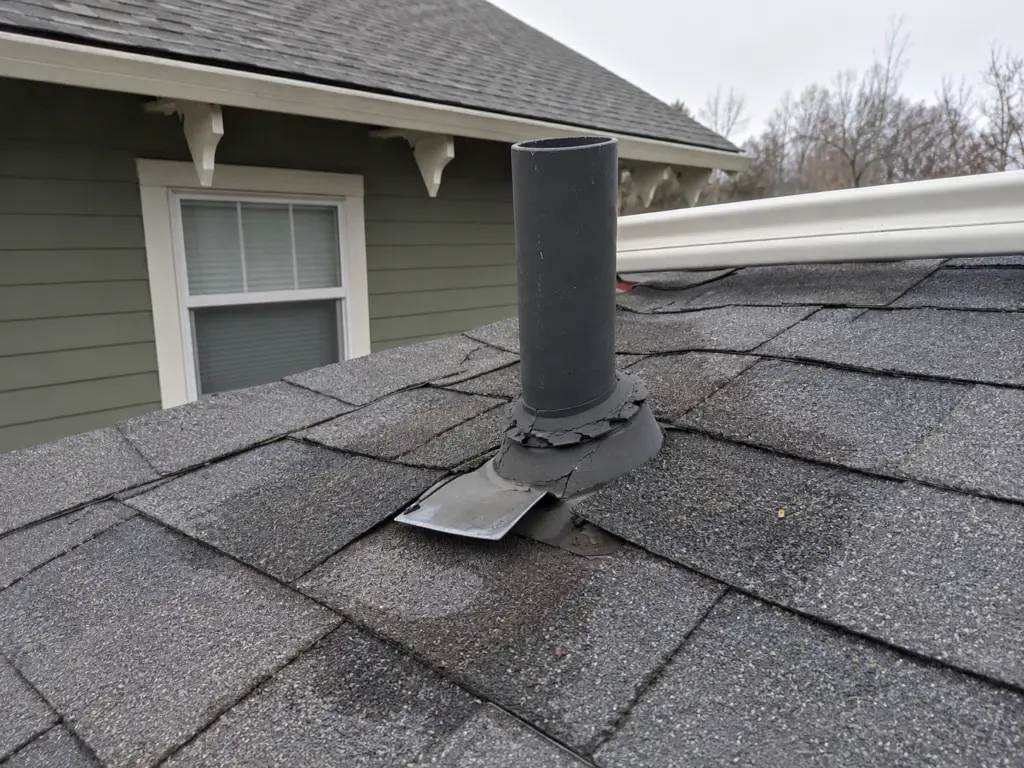
Arrange leak investigation
USA Storm Roofing’s leak diagnosis service is paid and separate from a general exterior inspection. Confirm the investigation scope, access requirements, and fee when booking.
Contact our team with your address, photos, and the timing of the leak. We assess roof repair options across our listed Virginia, Maryland, and Washington, DC service areas.