
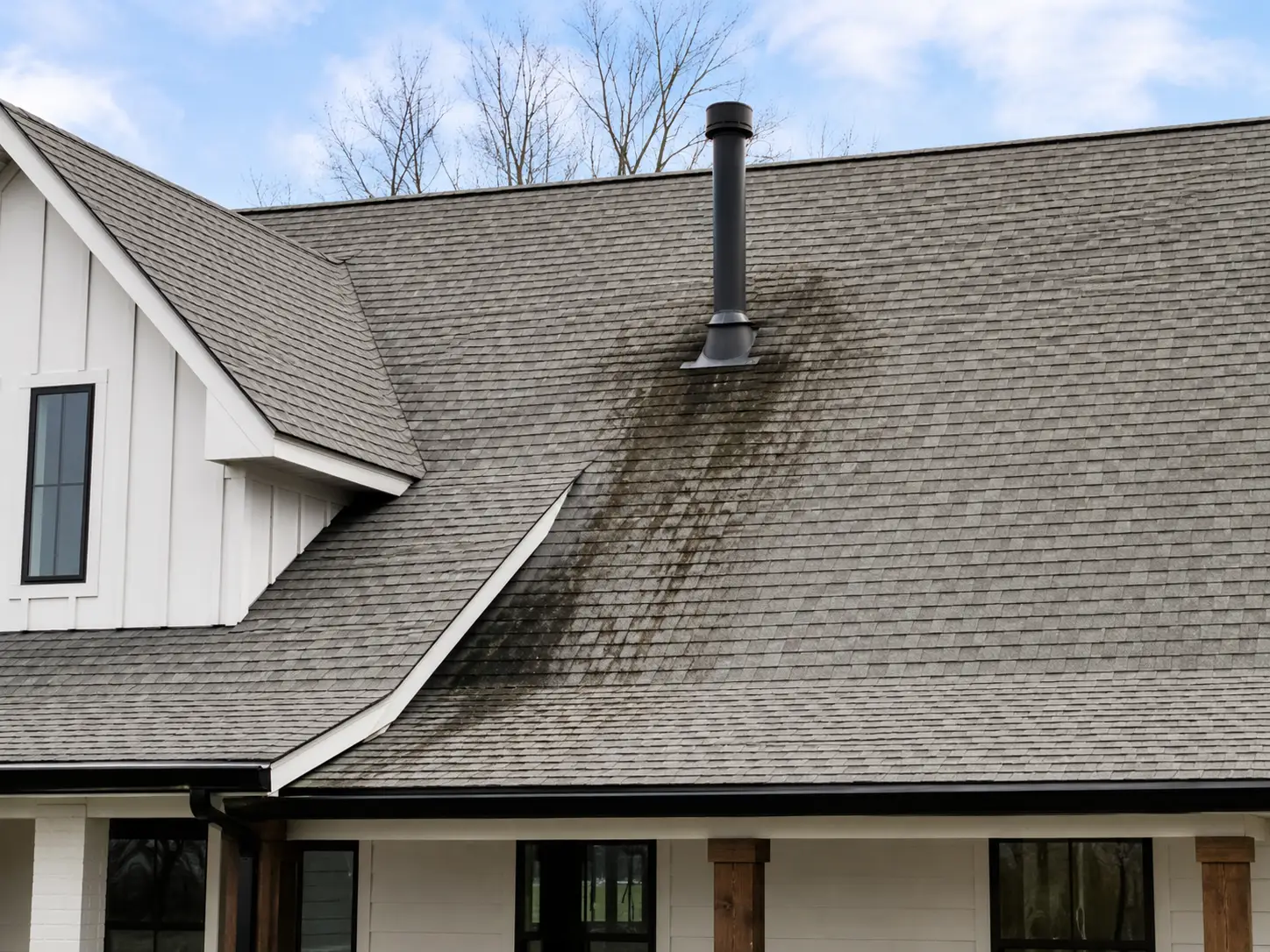
A dark roof streak, a rusty mark below metal, and a brown ceiling stain are different observations. Color alone cannot identify the cause or tell you whether roofing needs replacement. Start by recording where the mark is, how it changes, and whether there is active moisture.
First separate exterior appearance from interior moisture
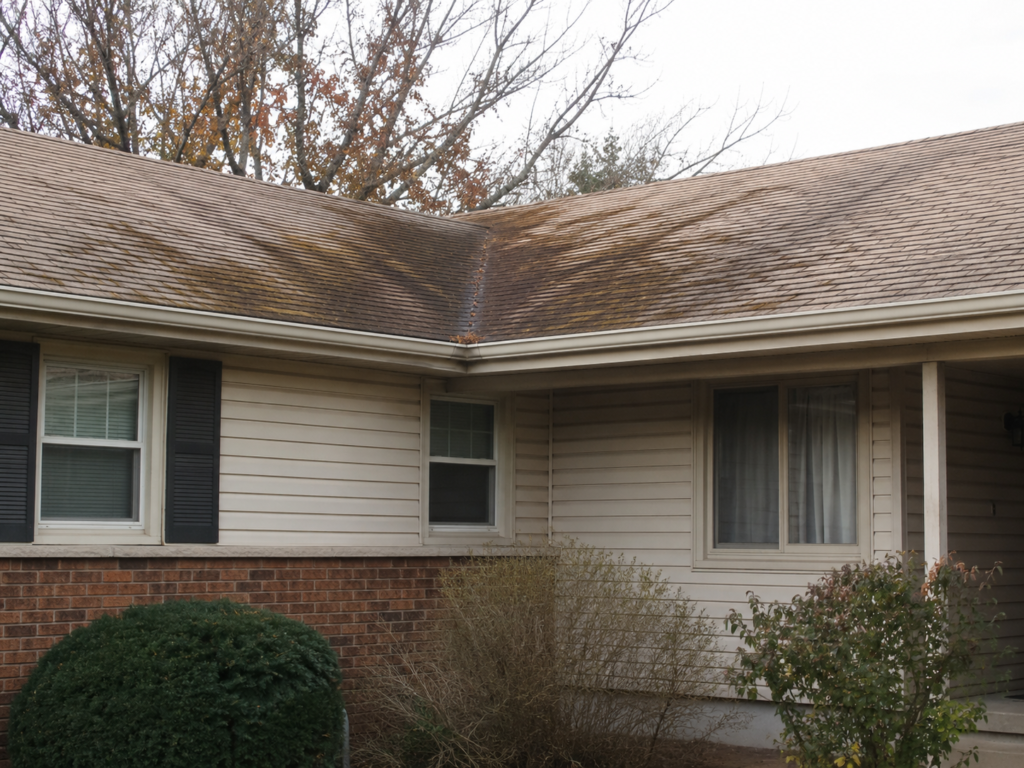
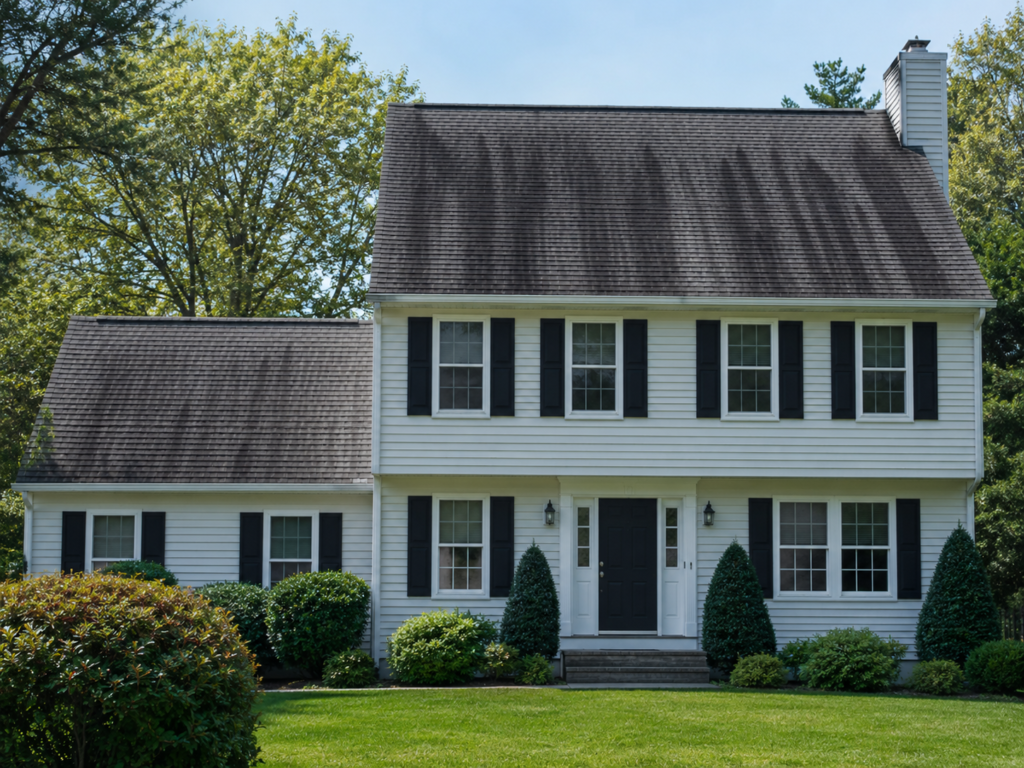
On the roof: streaks or patches may involve surface growth, runoff, debris, weathering, or product variation. A roof assessment can determine whether there is associated material damage. Dark staining alone is not proof of a leak.
Inside the home: a ceiling or wall mark may be old or active and can have roofing, plumbing, condensation, or other causes. If it is new, expanding, damp, or dripping, arrange investigation promptly. Do not assume the nearest roof feature is the source.
Make a useful stain record
- Location: room and wall or ceiling position, or the exterior slope and nearby feature.
- Timing: first date noticed and whether it changes with rain, cold weather, or fixture use.
- Pattern: one spot, a line, a spreading area, or several separate marks.
- History: previous leaks, cleaning, painting, roofing work, or nearby repairs.
- Photos: a wider location view and a closer view from a safe position, with dates.
A repeat photo from the same position can help show change. Do not touch wet electrical fixtures, stand beneath sagging ceiling material, or enter an unsafe attic to collect evidence.
Avoid changing the evidence before assessment
Painting over a mark can hide its boundaries without stopping the cause. Scraping or pressure washing roof shingles can damage the surface. Ask the assessor what documentation is useful before cleaning or refinishing, while still arranging prompt help for active water entry.
Match the next step to the finding
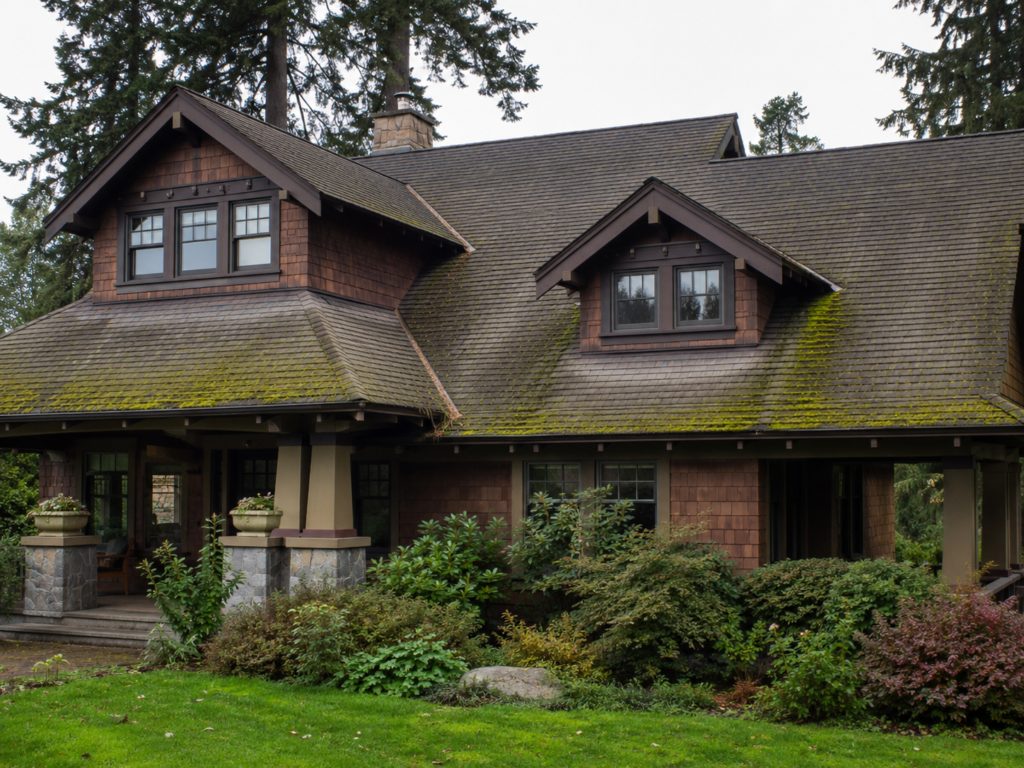
If the concern is surface growth, discuss the roofing manufacturer’s approved care method and realistic cleaning expectations. Our moss and algae guide covers that maintenance decision.
If the finding involves damaged roofing or flashing, request a written repair scope that identifies the component and affected area. For an unexplained interior stain, ask what investigation is needed and what remains uncertain.
A report should distinguish observed staining, confirmed moisture, physical material damage, and the assessor’s opinion about cause. Those are related but separate findings. A stain discovered after a storm does not by itself prove storm damage.
Before approving replacement
Ask which condition makes repair or maintenance unsuitable. Widespread discoloration alone is not a complete basis for replacement. The recommendation should account for material condition, integration of any repair, and other documented roof defects.
Choose the right appointment
Contact USA Storm Roofing with your address and stain record. Explain whether the concern is exterior appearance or active interior moisture so we can discuss the appropriate scope.
Our leak diagnosis service is paid and separate from a general exterior inspection. Confirm the fee and access requirements when scheduling. For an identified roofing defect, see our roof repair service.