
Introduction
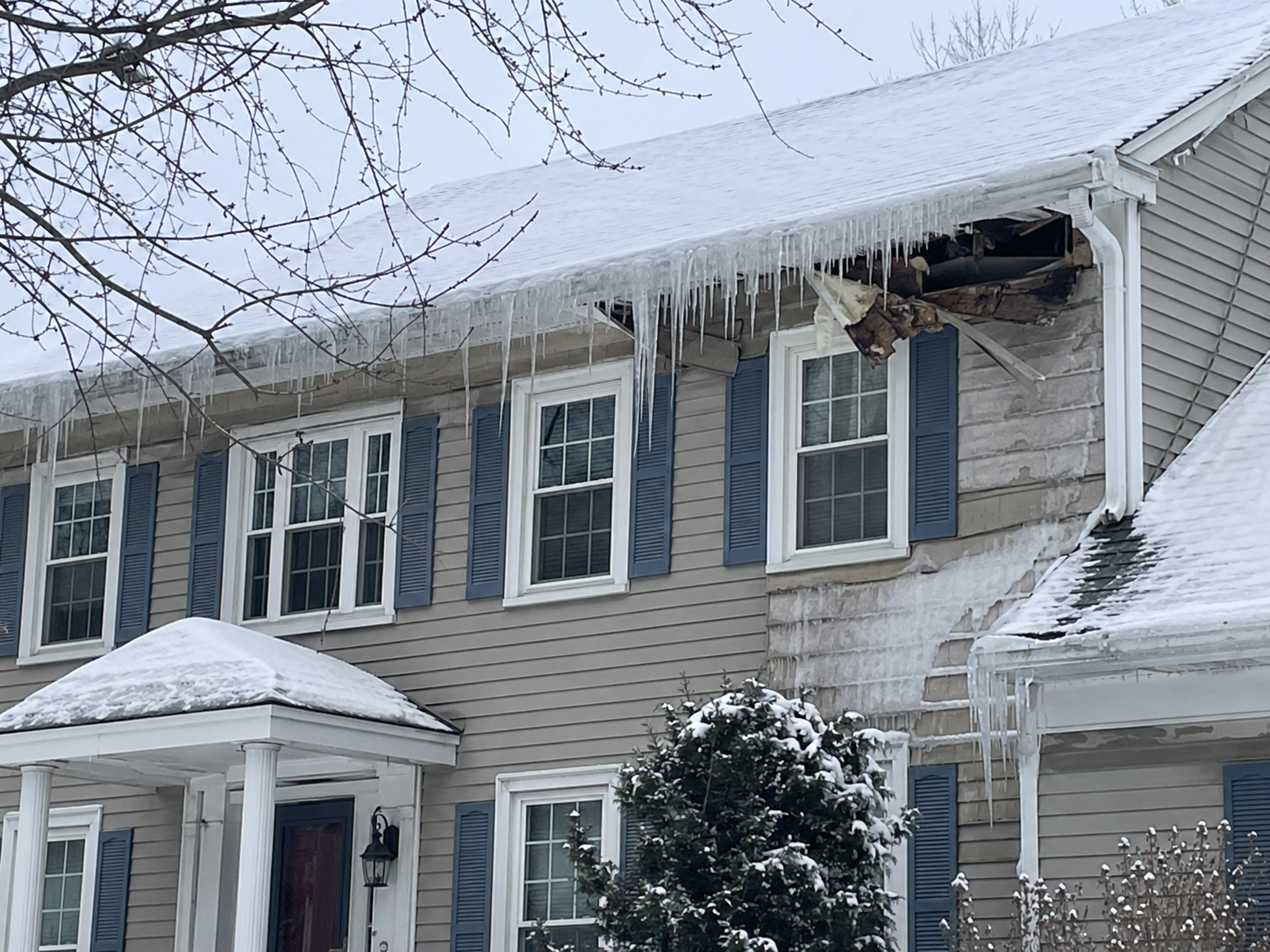
Ice dam roof damage can happen when melting snow refreezes near the edge of your roof. This can block water from draining properly. As a result, water may move under shingles and into hidden roof areas.
Homeowners in Virginia, Washington DC, and Maryland can face winter storms, freezing rain, snow, and sudden thaw cycles. Because of that, winter roof concerns should not be ignored.
In this guide, you will learn what ice dams mean, what signs to check, and when repairs may help. You will also learn when to contact USA Storm Roofing and Construction Group.
Why Ice Dam Roof Damage Matters
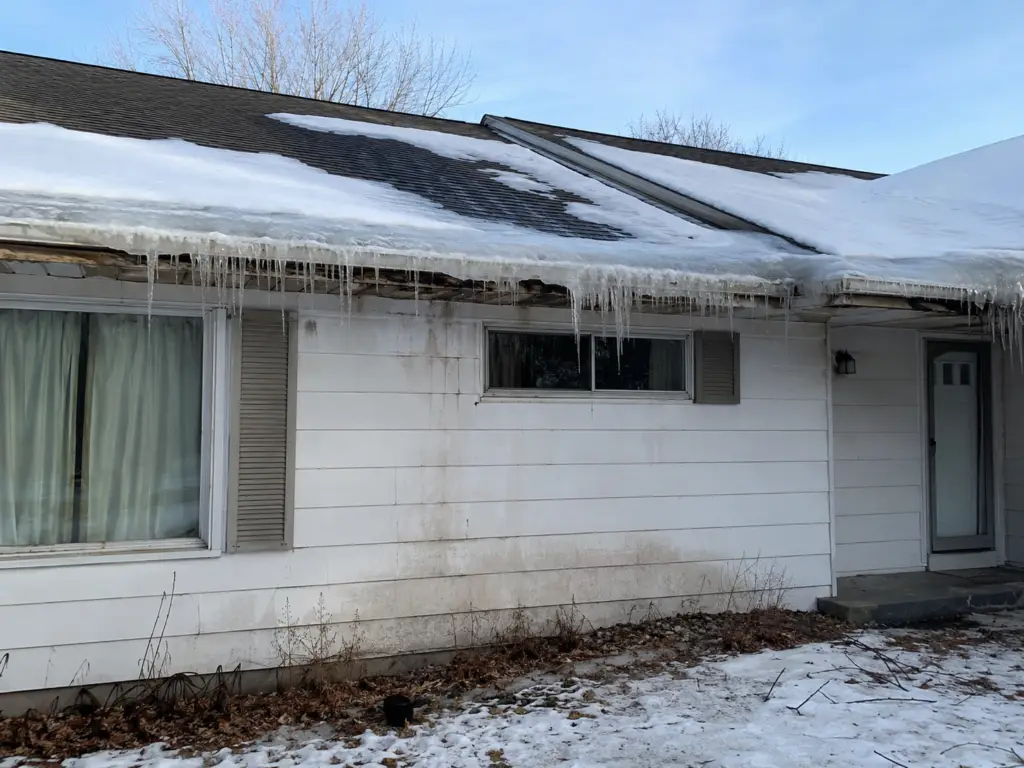
Ice dam roof damage matters because trapped water can move into places that should stay dry. Once water backs up, it may reach shingles, underlayment, decking, insulation, or ceilings.
An ice dam often forms near the roof edge. However, the leak may appear farther inside the home.
This guide helps DMV homeowners understand winter roof warning signs early. It also explains why a professional inspection matters after snow, ice, or freezing rain.
Therefore, do not ignore roof-edge ice, ceiling stains, or gutter problems after winter weather.
What Ice Dams Mean For Homeowners
An ice dam is a ridge of ice near the lower roof edge. It can form when snow melts higher on the roof. Then, the water refreezes near colder roof edges.
When that ice blocks drainage, water may sit behind it. After that, water can move under shingles during freeze-thaw cycles.
This does not always cause an immediate drip. However, moisture can reach attic insulation, roof decking, or ceiling materials.
Because the source can stay hidden, homeowners should avoid guessing from inside only.
Common Ice Dam Roof Damage Signs To Watch For
Ice dam roof damage signs often appear during snow melt or after freezing rain. Homeowners should check from safe ground areas only.
Common signs include:
- Thick ice along roof edges
- Large icicles near gutters
- Water stains on ceilings
- Damp attic insulation
- Peeling paint near upper walls
- Musty smells after thawing
- Gutters pulling away
- Ice inside gutters
- Leaks near exterior walls
- Soft ceiling spots
If you notice these signs, take photos when safe. Then, schedule a professional roof inspection.
Ice Dam Roof Damage Signs Inside The Home
Ice dam roof damage can first show inside your home. Look for stains, bubbling paint, damp drywall, or musty smells.
Also, check attic areas if access is safe. Look for damp insulation, dark wood, or water marks near roof edges.
Water may travel before it stains the ceiling. Therefore, the visible stain may not sit under the exact ice dam area.
Avoid wet electrical areas. Call a qualified professional if water reaches lights or outlets.
Ice Dam Roof Damage Signs Around Gutters
Ice dam roof damage can also appear around gutters and roof edges. Look for heavy icicles, sagging gutters, or thick ice buildup.
Also, check whether gutters look bent or separated from the fascia. Fascia is the board behind the gutter.
When ice adds weight, gutters can pull away from the home. As a result, water may drain poorly during the next storm.
Do not chip ice from the roof or gutters. That can damage roofing materials and create safety risks.
Main Causes Of Ice Dam Roof Problems
Ice dams usually relate to heat movement, snow, and freezing temperatures. Warm air inside the home can warm parts of the roof.
Then, snow melts and runs downward. When the water reaches colder roof edges, it can freeze again.
Common causes include:
- Poor attic insulation
- Air leaks into the attic
- Limited attic ventilation
- Heavy snow on the roof
- Freezing and thawing cycles
- Clogged gutters
- Snow-covered roof edges
- Heat loss through ceilings
- Ice inside gutters
- Poor drainage near eaves
Eaves are the lower roof edges that extend beyond the wall. These areas often stay colder than the upper roof.
In addition, clogged gutters can make ice problems worse. They can block water movement during thaw cycles.
Why Acting Quickly Matters
Winter roof leaks can spread when moisture stays trapped. A small ceiling stain can point to a larger hidden issue.
Fast action helps protect insulation, decking, ceilings, and wall areas. It also helps keep damage records clear.
Acting quickly may help you:
- Reduce water entry
- Protect attic insulation
- Limit ceiling stains
- Prevent gutter damage
- Document winter storm concerns
- Understand repair options
- Prepare for insurance questions
However, no contractor can guarantee insurance approval. Your insurance company decides coverage based on your policy.
Ice Dam Roof Damage: Repair Or Replacement?
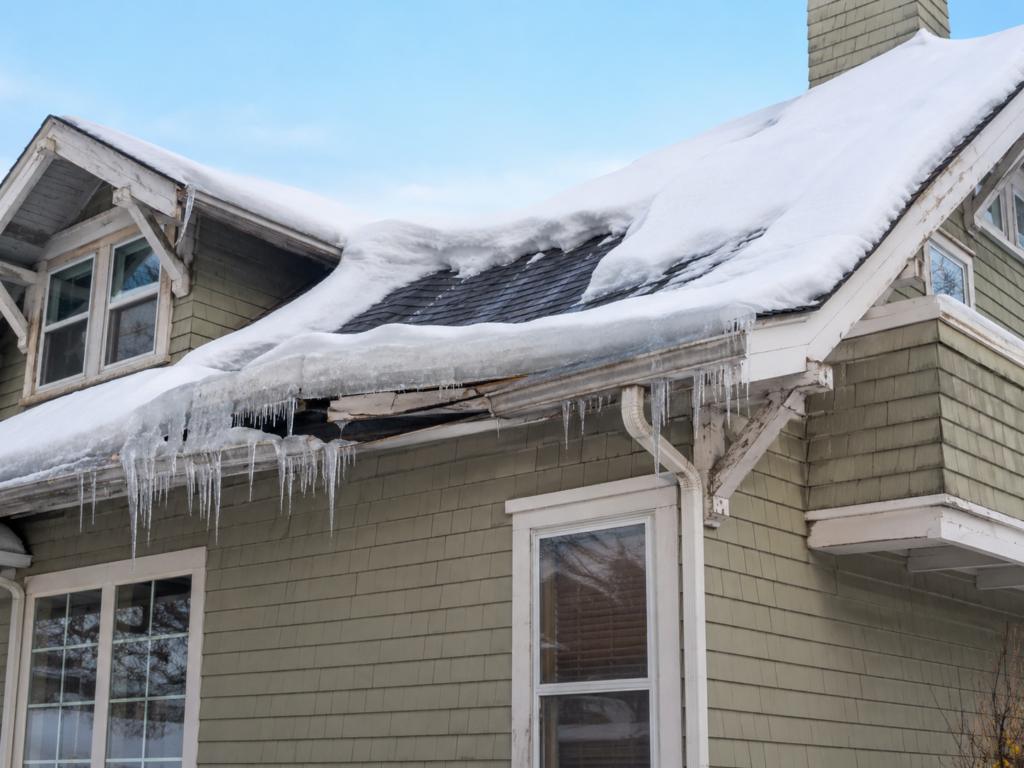
Ice dam roof damage may require repair or a larger roof review. The right option depends on the damage size. It also depends on the roof condition.
A repair may work when damage affects one small roof-edge area. For example, one leak near an eave may need focused repair.
A larger roof review may be needed when damage has spread. It may also be needed when leaks keep returning.
When Roof Repair May Be Enough
Roof repair may be enough when the problem is limited. The nearby shingles, decking, and gutters should also look stable.
Repair may be considered when:
- One area has damage
- The leak source is clear
- Shingles still lay flat
- Gutters remain secure
- The roof deck looks firm
- Interior damage is limited
However, repair must solve the real cause. Fixing a stain without addressing water entry can create more damage.
When A Larger Roof Review May Be Needed
A larger roof review may be needed when winter damage affects several areas. It may also be needed when roof materials are already weak.
A deeper review may be discussed when:
- Several rooms show stains
- Gutters have pulled away
- Shingles are lifted
- Decking feels soft
- Leaks keep returning
- Repairs have failed before
A professional inspection can explain the condition clearly. After that, homeowners can choose the next step.
Safe Ice Dam Prevention And Winter Roof Guidance
Ice dam prevention often starts inside the home. Attic insulation, air sealing, and ventilation can help reduce uneven roof warming.
Also, keeping gutters clear can support better drainage. However, homeowners should avoid unsafe roof access during snow or ice.
For added guidance, review these ice dam prevention tips from University of Minnesota Extension. This source explains roof snow removal concerns and drainage steps.
If ice is already causing leaks, call a professional. Do not climb on icy roofs or chip ice from ladders.
Storm Damage And Insurance Claim Guidance
Winter roof damage can create insurance questions. Therefore, clear documentation matters after snow, ice, or freezing rain.
Start by taking photos from safe areas. Also, write down the weather date and when the leak appeared. Keep inspection reports, estimates, and insurance notes together.
A homeowners insurance claim depends on your policy. Your insurer decides what is covered. Therefore, ask your insurance company about deductibles and claim steps.
Ice Dam Roof Damage Documentation Checklist
Ice dam roof damage documentation helps homeowners stay organized. Keep one simple folder for all winter roof records.
Include:
- Photos of roof-edge ice
- Photos of large icicles
- Photos of ceiling stains
- Photos of attic moisture
- Photos of gutter damage
- Winter storm dates
- Roof inspection report
- Written repair estimate
- Insurance claim notes
Also, avoid removing damaged materials too early. First, take photos and ask your insurer what they need.
How To Check Your Home Safely
Start with a slow walk inside your home. Check ceilings, attic access areas, upper walls, and closets.
Then, walk around outside from safe ground areas. Look at roof edges, gutters, downspouts, and areas below icicles.
Check these areas carefully:
- Ceiling corners
- Attic insulation
- Roof edges
- Gutter lines
- Downspout exits
- Exterior walls
- Rooms below eaves
- Areas after thawing
In addition, check again after snow melts. Some leaks appear during thaw cycles instead of during snowfall.
Common Mistakes To Avoid
Homeowners often try to remove ice quickly. However, the wrong method can damage shingles, gutters, or siding.
Avoid these mistakes:
- Climbing on an icy roof
- Chipping ice with sharp tools
- Pulling on frozen gutters
- Ignoring ceiling stains
- Waiting through another freeze
- Painting over water marks
- Filing a claim without photos
- Assuming icicles are harmless
Also, avoid using unsafe heat methods near roofing materials. Instead, ask a professional about safer options.
Why Choose USA Storm Roofing And Construction Group
USA Storm Roofing and Construction Group serves homeowners across the DMV area. The team understands winter roof leaks, roof edges, and storm damage concerns.
The company helps homeowners with clear inspections and simple explanations. It also helps document visible roof concerns for insurance conversations.
USA Storm Roofing and Construction Group can help with:
- Winter roof inspections
- Roof leak inspections
- Ice dam damage reviews
- Gutter and roof-edge checks
- Damage documentation support
- Roof repair planning
- Free roofing estimates
The goal is simple. Help homeowners protect their homes before winter roof damage spreads.
Local Ice Dam Roof Damage Support In The DMV
USA Storm Roofing and Construction Group serves Maryland, Virginia, and Washington DC. Local experience matters because DMV winter weather can change quickly.
For local coverage details, visit the ice dam roof damage service areas. You can also read more ice dam roof damage homeowner tips on the company blog.
Local search examples include:
- Roof inspection Virginia
- Roof inspection Washington DC
- Roof repair Maryland
- Storm damage repair Fairfax
- DMV roofing contractor
- Free roofing estimate near me
If you notice roof-edge ice, ceiling stains, or gutter damage, schedule an inspection soon.
Ice Dam Roof Damage FAQs For DMV Homeowners
What Are The First Ice Dam Warning Signs?
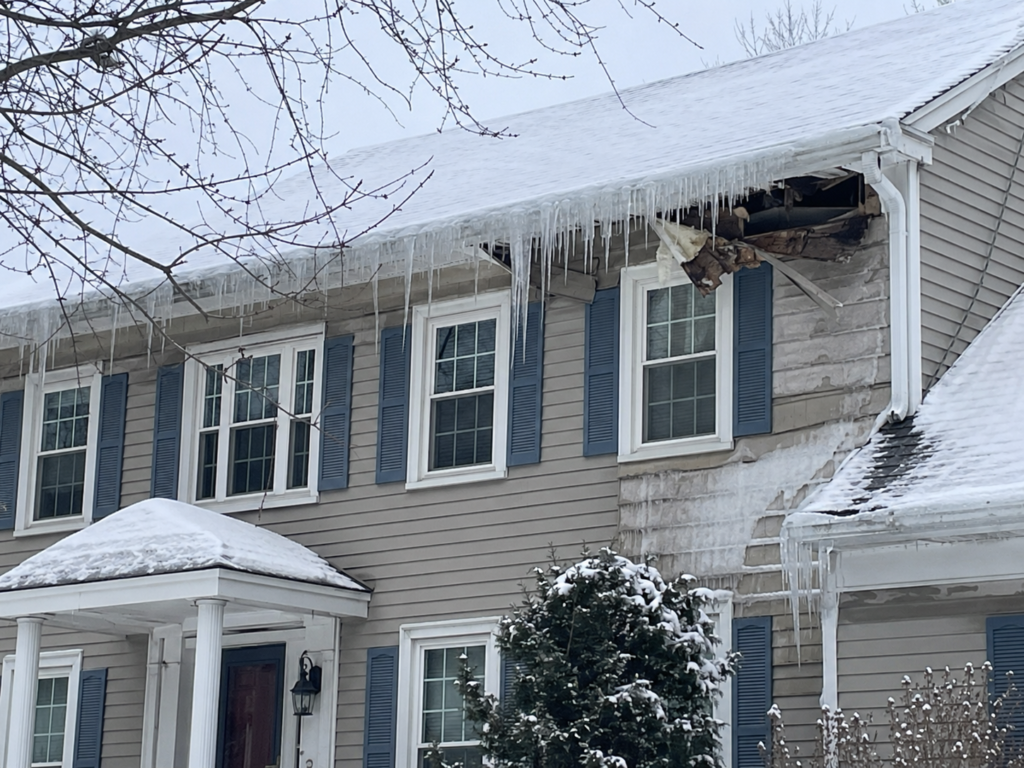
Start by checking for thick ice near roof edges, large icicles, and ceiling stains. Also, look after snow begins melting. After that, take photos when safe.
Can Ice Dams Cause Roof Leaks?
Yes, ice dams can block drainage and push water under shingles. As a result, water may reach attic or ceiling areas. Therefore, early inspection matters.
Should I Remove Ice From My Roof Myself?
No, you should not climb on an icy roof. Also, chipping ice can damage roofing materials. Instead, request professional help.
Can Ice Dam Roof Damage Be Repaired?
Sometimes, ice dam roof damage can be repaired. It depends on the shingles, decking, gutters, and leak location. However, inspection must confirm the cause.
Will Homeowners Insurance Cover Ice Dam Damage?
Coverage depends on your policy and the damage cause. Therefore, your insurance company decides claim coverage. Also, ask your insurer about policy details.
Do You Serve Virginia, Washington DC, And Maryland?
Yes, USA Storm Roofing and Construction Group serves the DMV area. In addition, this includes Maryland, Virginia, and Washington DC homeowners.
Conclusion
Winter weather can damage roof edges, gutters, shingles, and hidden roof layers. This ice dam roof damage guide explains warning signs, causes, repair choices, and documentation steps. It also helps DMV homeowners know when to request professional help.
If you live in Maryland, Virginia, or Washington DC, contact USA Storm Roofing and Construction Group today. Request a free roof inspection, free roofing estimate, or storm damage assessment before winter roof damage gets worse.