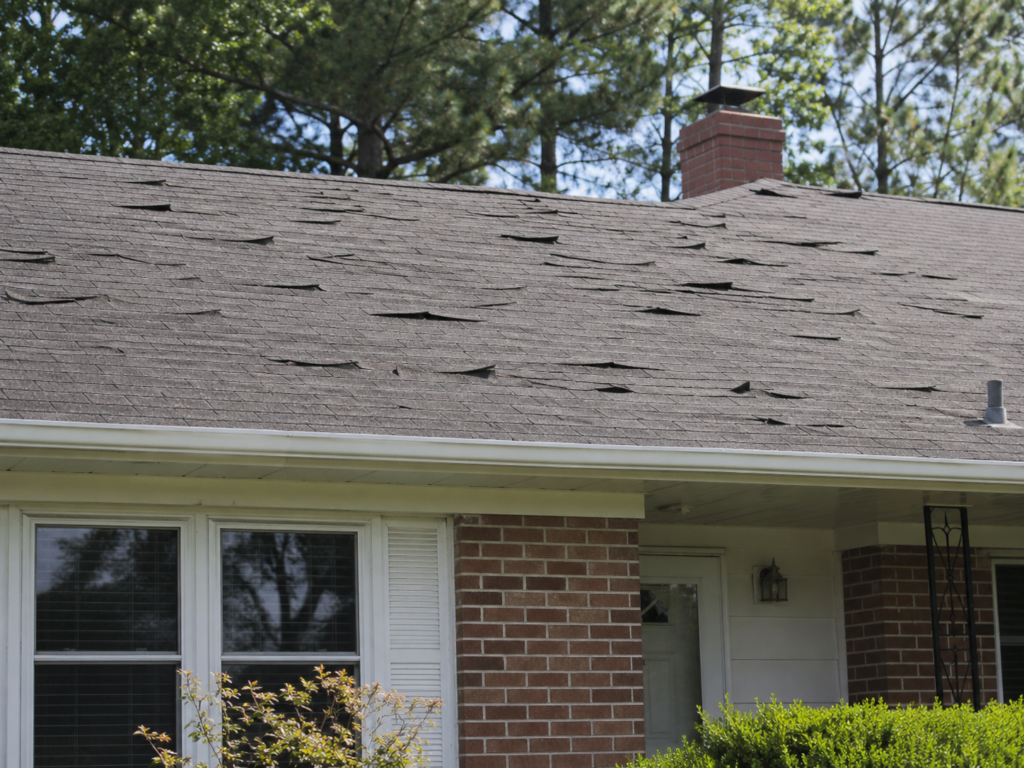
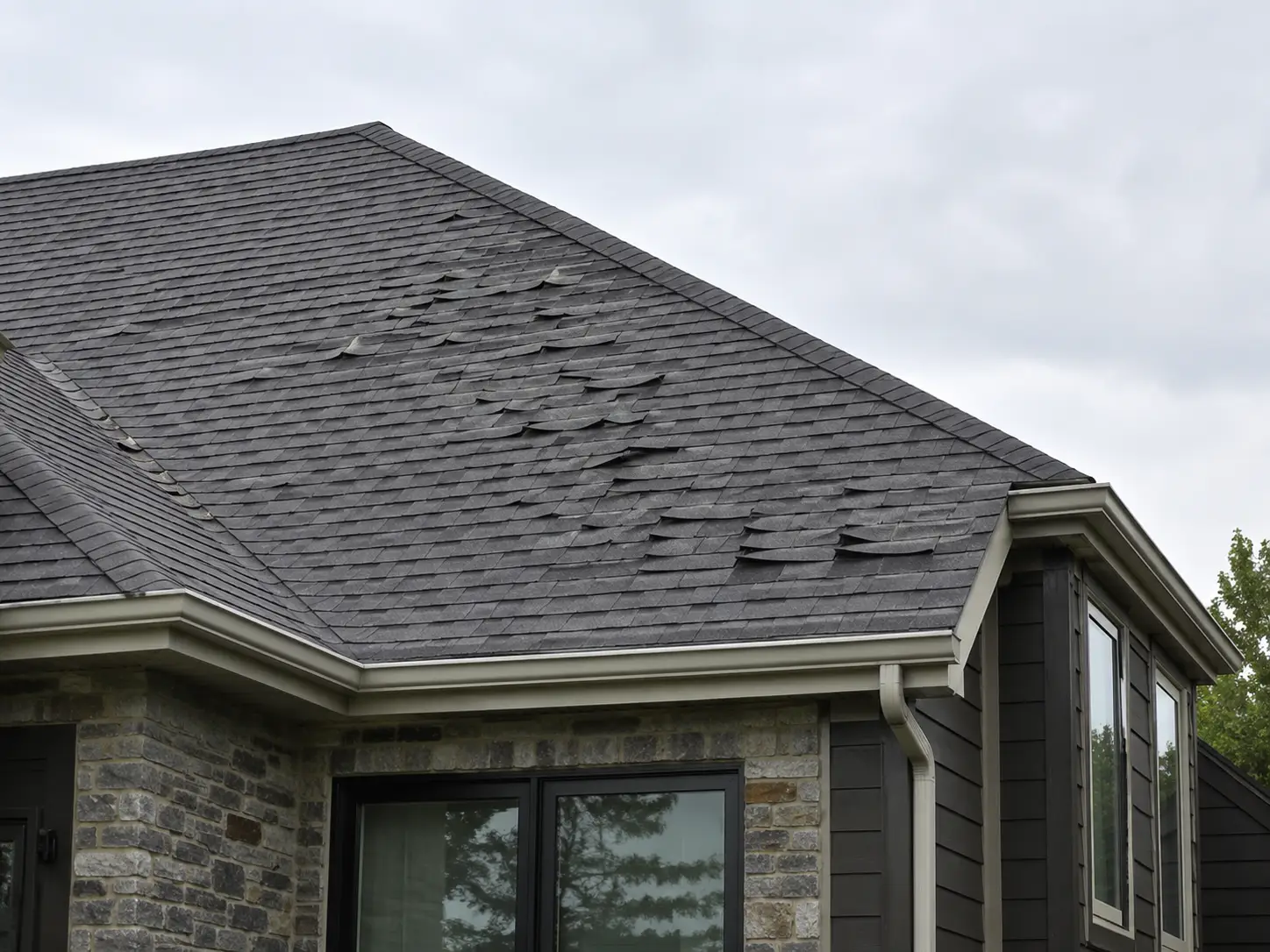
When asphalt-shingle edges bend or lift, the next question is whether the material is distorted, a tab has become unsealed, or the roof surface underneath has moved. Those conditions can look similar from the yard, yet call for different work. A useful assessment should explain the finding before recommending a patch or replacement.
Record what changed without handling the shingles
Take photographs from safe ground and identify the affected slope. Note whether the change is limited to a few corners or spread across many courses, whether nearby shingles are cracked or missing, and when the roof was installed. Older photographs can help establish whether the condition is new.
Do not climb up, bend a tab, press curled edges flat, or apply heat. Handling aged or damaged shingles can break them, and a visual concern does not justify unsafe roof access. If you also have an active interior leak, report it separately and keep away from wet electrical fixtures or bulging ceilings.
Curling, unsealed tabs, and buckling are different findings
Curling describes a change in the shingle’s shape, often visible at its edges or corners. An unsealed tab concerns the bond between shingle courses; a tab can be unsealed without the same permanent distortion. Buckling may appear as a raised line or wave involving layers beneath the shingles.
Read our buckling-shingle assessment guide if the concern is a ridge crossing the roof surface. A professional still needs to establish which condition is present on your home.
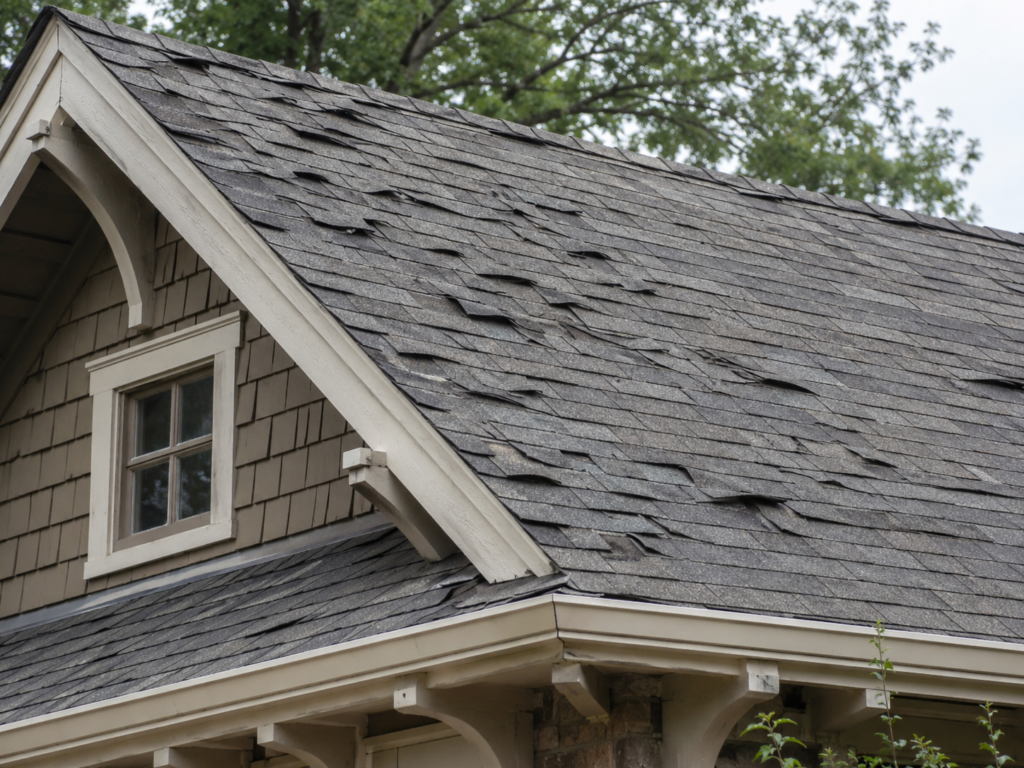
Ask what the proposed repair can actually correct
Where the problem is sealing, the relevant manufacturer’s instructions matter. GAF’s hand-sealing bulletin, for example, describes situations requiring product-specific sealing procedures and cautions against excess cement. That is not evidence that applying cement will restore every curled or deteriorated shingle.
Ask the contractor to identify the product, its condition, and the reason the proposed method suits the finding. A repair needs to preserve the surrounding roof’s water-shedding details and avoid damaging adjacent shingles.
Questions that help distinguish a limited repair from a wider project
- Are the affected shingles otherwise intact, or are they cracked, brittle, torn, or missing material?
- Can surrounding courses be lifted and reworked without causing further damage?
- Are suitable replacement materials available, and how closely will they match?
- Is the issue confined to a defined area or present across multiple slopes?
- Are roof-deck or moisture conditions contributing, and what evidence supports that conclusion?
- What limitations or repeat-work risk would remain after the proposed repair?
A few affected shingles do not automatically mean a whole-roof replacement. Equally, repeated small patches may be poor value when the surrounding materials cannot be reworked reliably. Ask for the findings, photographs, scope, and expected limitations in writing.
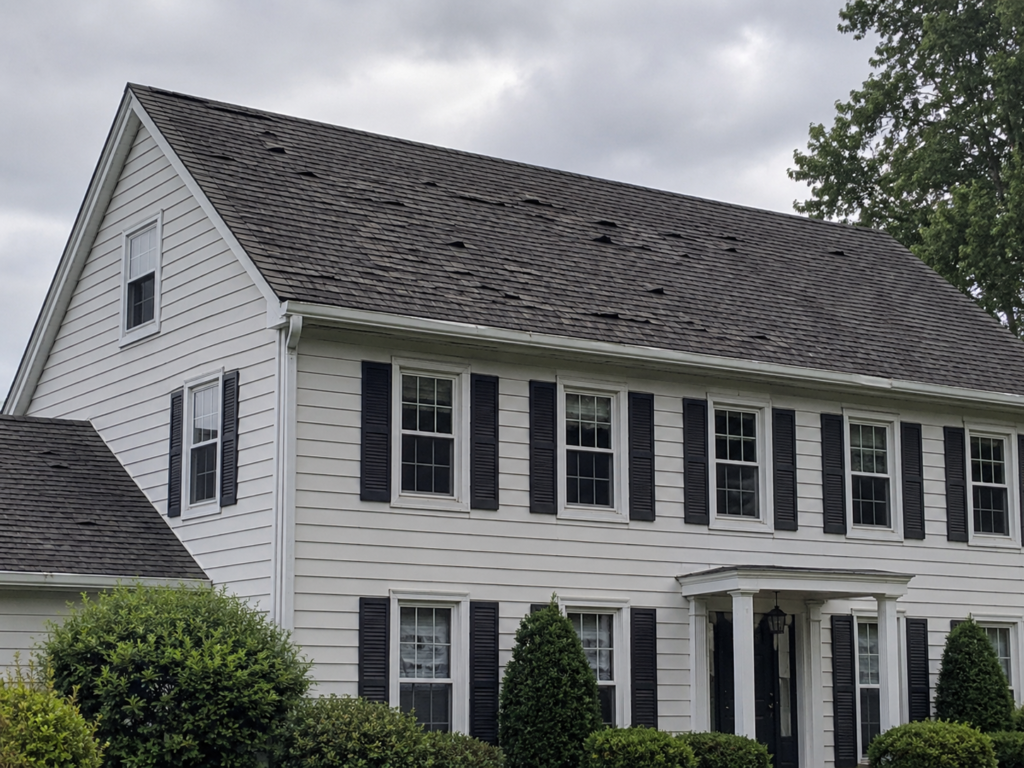
Do not assign a cause from appearance alone
Installation history, product condition, roof assembly, and exposure all belong in the assessment. Curling alone does not prove inadequate attic ventilation, a manufacturing defect, or a particular storm. Adding vents without evaluating the attic design is not a universal remedy for damaged shingles.
If a recently installed roof is changing shape, contact the installer with the product and installation records. Ask whether the manufacturer should review the condition before corrective work. Keep photographs and any written findings for a warranty inquiry.
If you believe damage followed a storm, record the date and observations without assuming coverage. The insurer decides whether the policy applies; the warranty provider separately evaluates its own terms.
Agree on the next step and follow-up
A repair proposal should name the area, materials, related flashing work, and any opening needed to investigate the layers below. For replacement, ask how the proposal addresses the reason a repair is unsuitable. If monitoring is recommended, agree on the timing and changes that should trigger an earlier visit.
USA Storm Roofing and Construction Group serves Virginia, Maryland, and Washington, DC. Request a roofing estimate and share your photographs and roof history. Learn more about roof repair and replacement planning. Estimates are free; leak diagnosis is a paid service, so confirm the scope and fee if water entry needs investigation.