
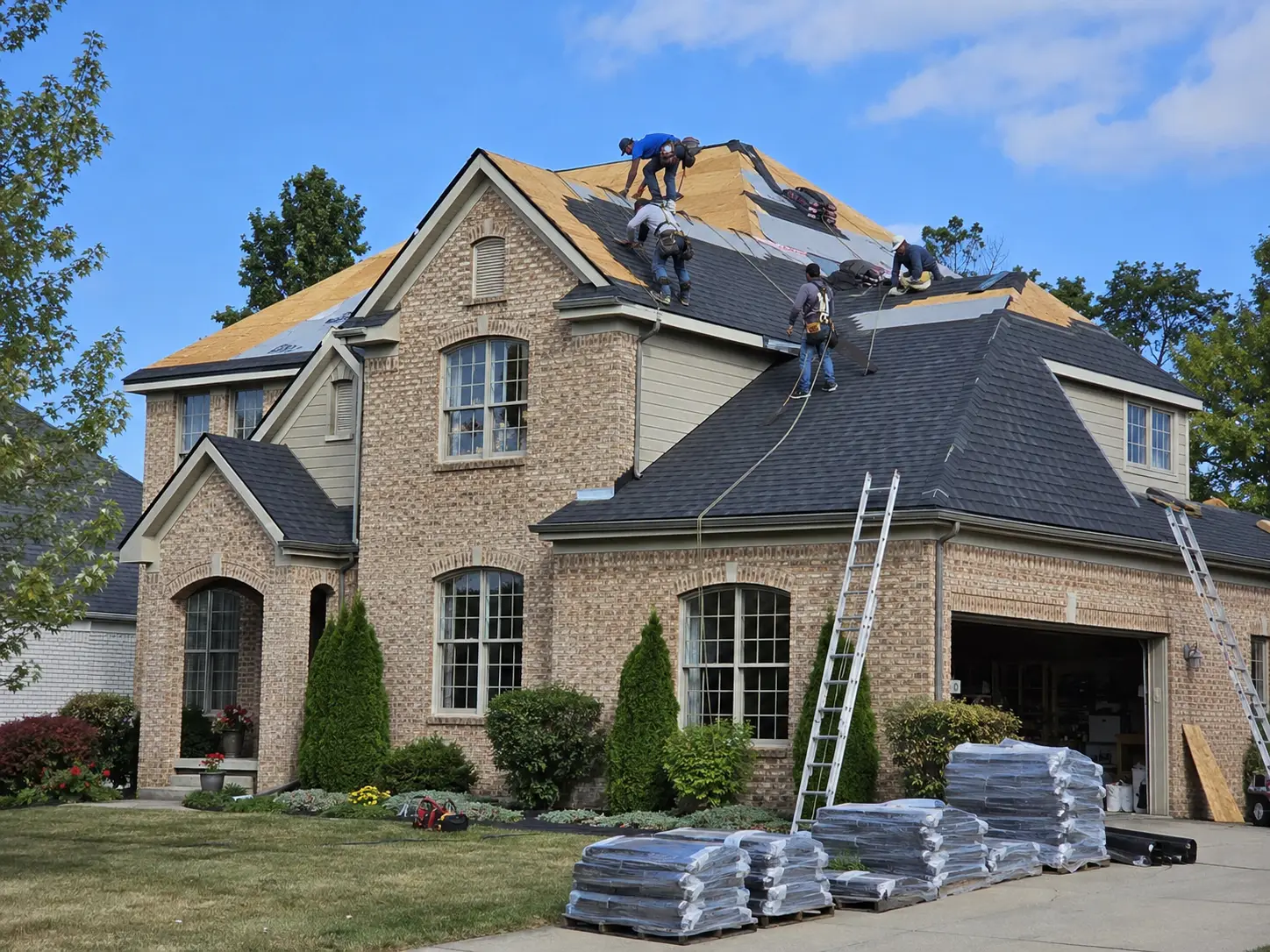
Planning a roof replacement involves more than choosing a shingle color. A useful plan sets out the assessment, written scope, approvals, material decisions, site access, and handover. The sequence below helps homeowners understand what should be settled before installation begins.
1. Establish why replacement is recommended
Ask the contractor to show the observed problems and explain why a limited repair would or would not be suitable. Roof age, appearance, and nearby storm activity provide context, but none alone proves that replacement is necessary. Ask which areas were accessible and what could only be confirmed after removal.
For an active leak, clarify whether a separate investigation or temporary protection is needed first. Our leak diagnosis service is paid and differs from a free exterior inspection.
2. Agree on the complete roof scope
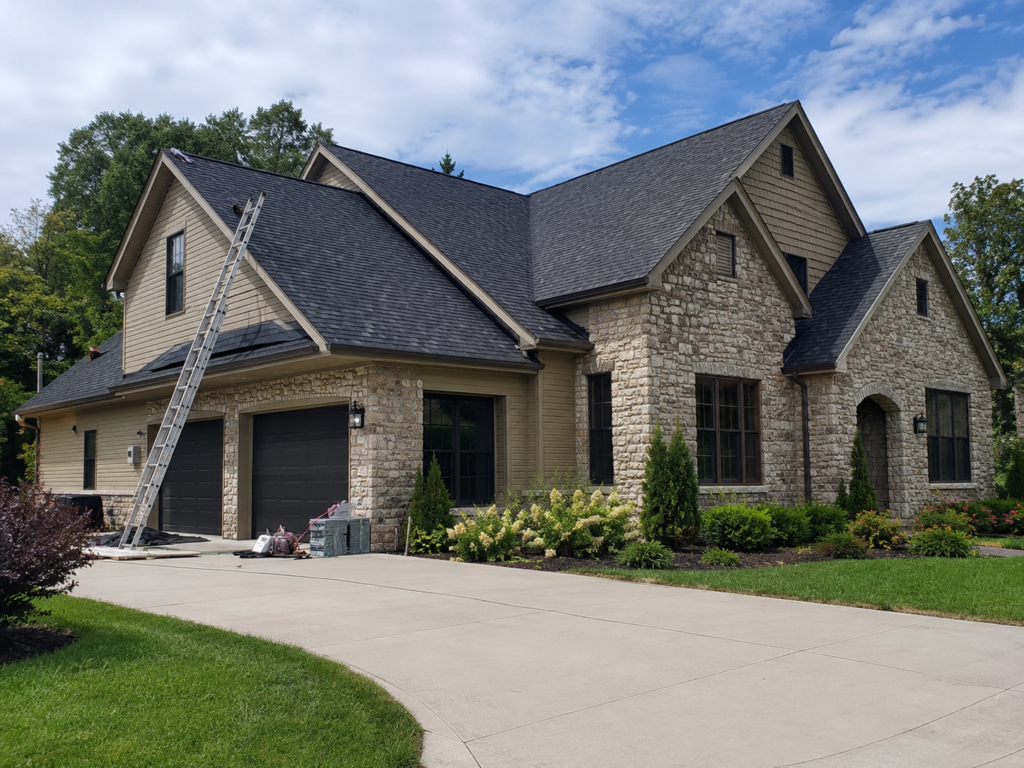
A replacement proposal should identify the roof areas, tear-off and disposal, selected covering, underlayment, flashing details, ventilation work where appropriate, and treatment of penetrations. Ask which existing components will remain and why. Replacing the visible covering does not automatically replace every related roof detail.
Confirm how damaged decking or other concealed conditions will be photographed, priced, and approved. Distinguish the agreed base scope from allowances and optional upgrades. Keep the product specifications and warranty terms with the signed proposal.
3. Resolve approvals and selections before ordering
Confirm the property’s jurisdiction and who will check applicable permit requirements. Association rules or historic review may add separate requirements. Do not assume a nearby property’s approval applies to yours, especially across city, county, or state boundaries.
Choose the exact product line and color, confirm availability, and document any approved substitution process. Review a physical sample when available; lighting and screen settings can change how a roof color appears.
4. Prepare access and protect daily routines
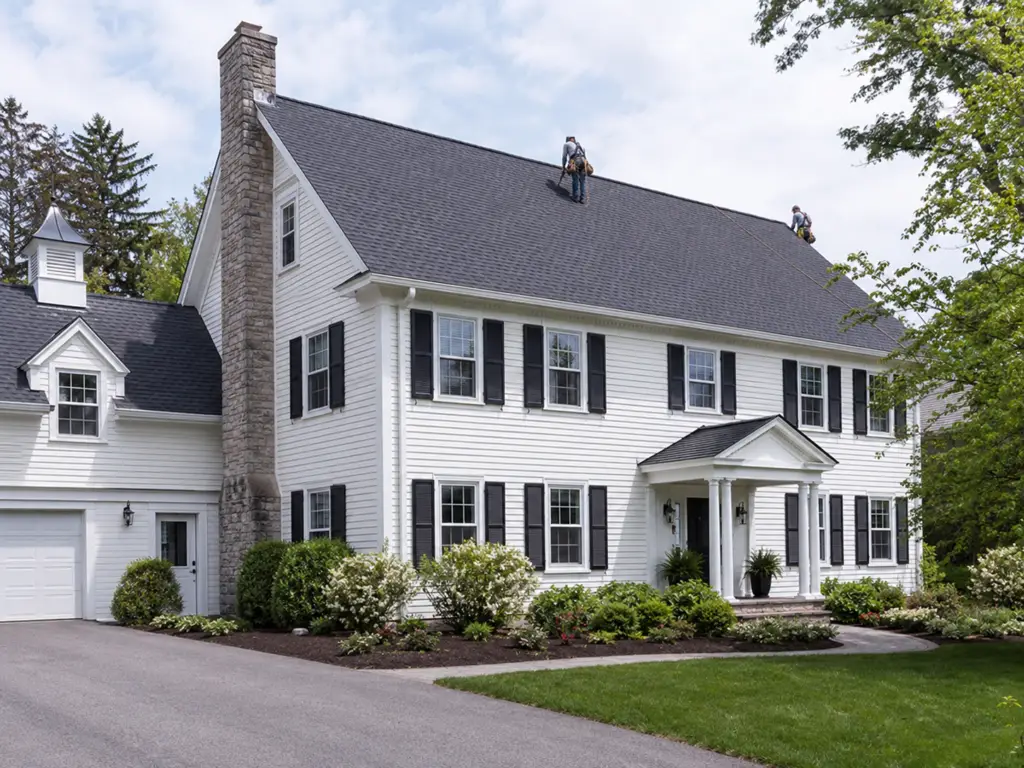
- Confirm delivery, equipment, and debris-container locations.
- Discuss parking, shared driveways, overhead obstructions, landscaping, and outdoor furniture.
- Plan how people and pets will stay clear of work and material-drop areas.
- Tell the contractor about fragile attic belongings, access limitations, or special household needs.
- Agree on the project contact and how weather delays will be communicated.
A proposed installation date is a planning estimate until access, materials, weather, and any required approvals are confirmed. Ask how the building will be protected if work is interrupted.
5. Review discoveries and completion records
During removal, ask to see any finding that changes the agreed scope. Approve the price and work in writing before it proceeds, except where an agreed urgent-protection procedure applies. Keep those records with the final invoice.
6. Complete a ground-level handover
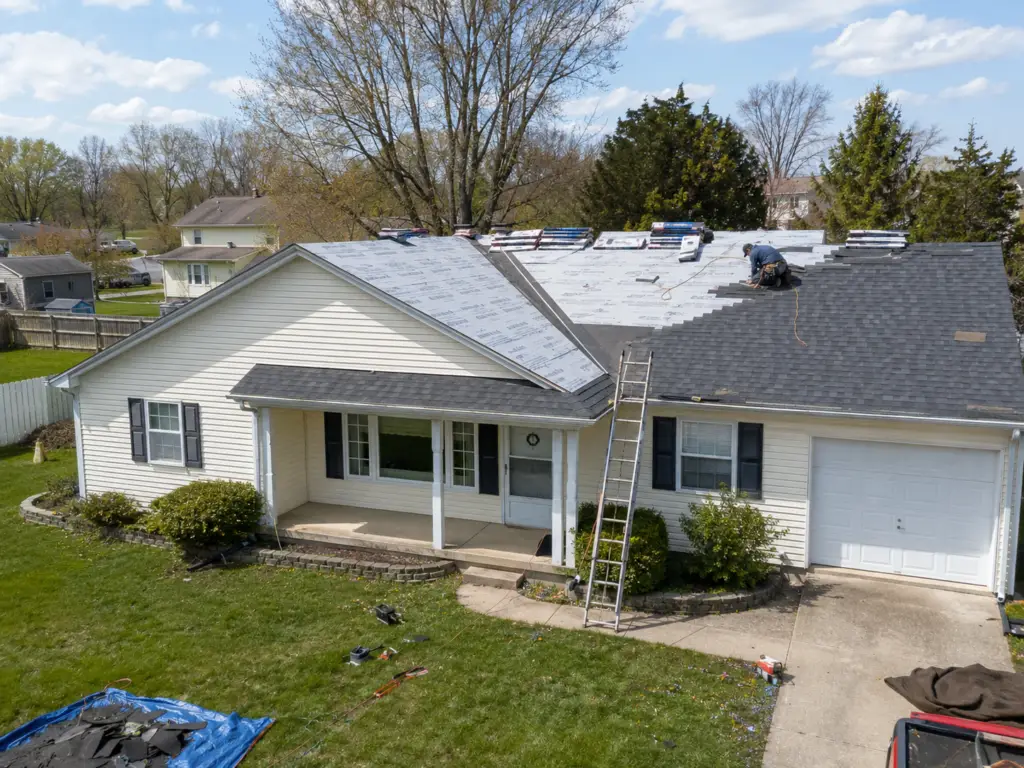
Review the completed scope, cleanup, remaining items, and photos of areas you cannot safely inspect. Collect product and workmanship warranty information, care instructions, and any registration or permit closeout records that apply. Ask where to direct future questions and how to report a concern.
Our roof cleanup guide explains the handover in more detail. Your written proposal should define the actual cleanup scope.
USA Storm Roofing provides roof replacement services throughout our listed Virginia, Maryland, and DC service areas. Request an assessment with your address and the concern you want evaluated.