
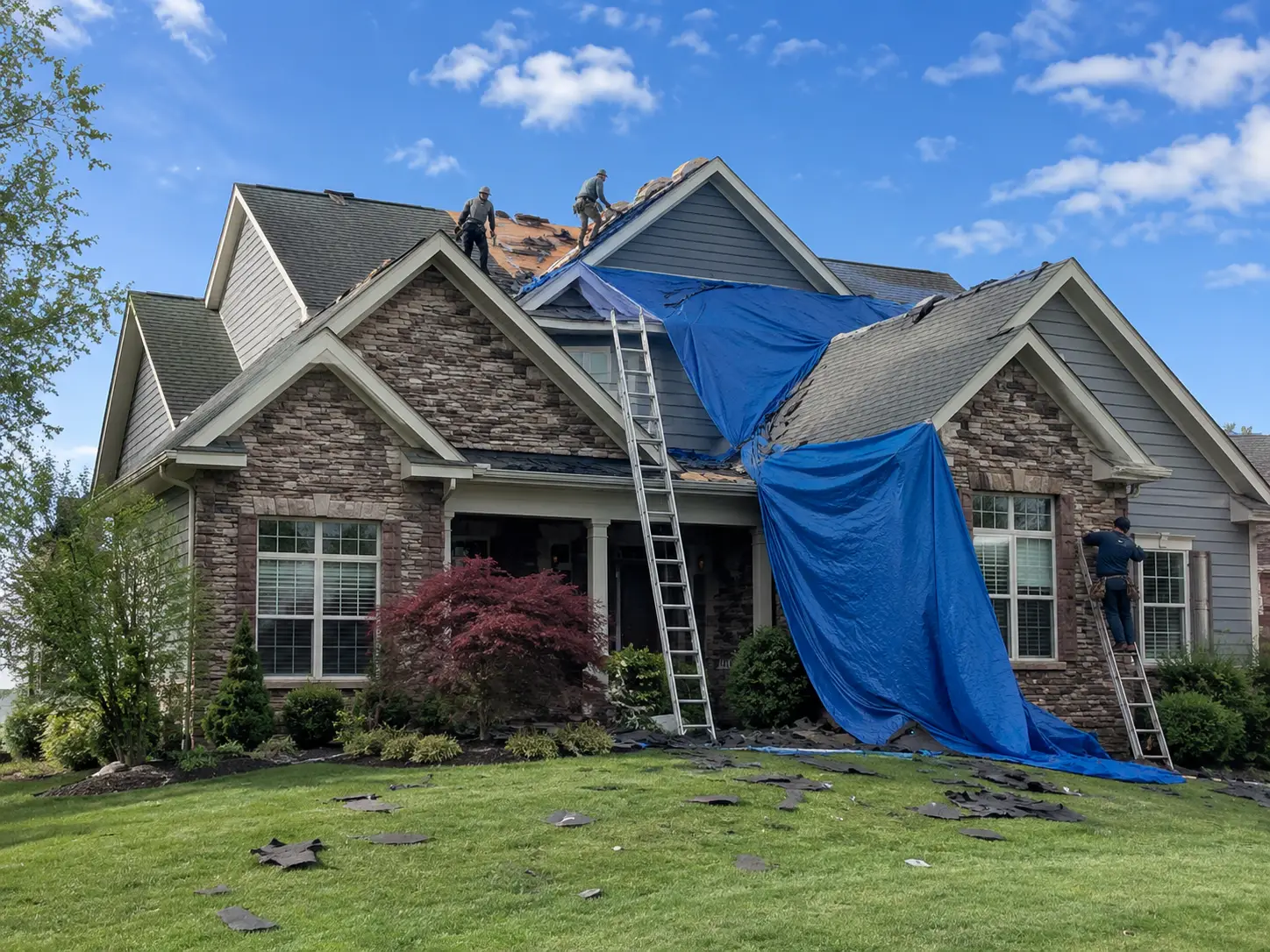
A storm can affect several connected parts of a home: roofing, siding, gutters, windows, trim, and the interiors below them. Restoring the exterior works best when the damage is documented and those repairs are planned together. This guide explains the coordination questions to ask after immediate safety needs have been addressed.
Start with safety and temporary protection
Keep clear of downed wires, unstable trees, loose materials, broken glass, and visibly sagging structures. Do not climb onto a damaged roof. If there is an immediate danger, contact the appropriate emergency service or utility. The National Weather Service’s after-storm guidance provides a safety overview.
Report active water entry when contacting a contractor. Ask what temporary protection is appropriate, whether it is available, and how it will be priced. Temporary work limits exposure while a permanent scope is developed; it is not the same as a completed restoration.
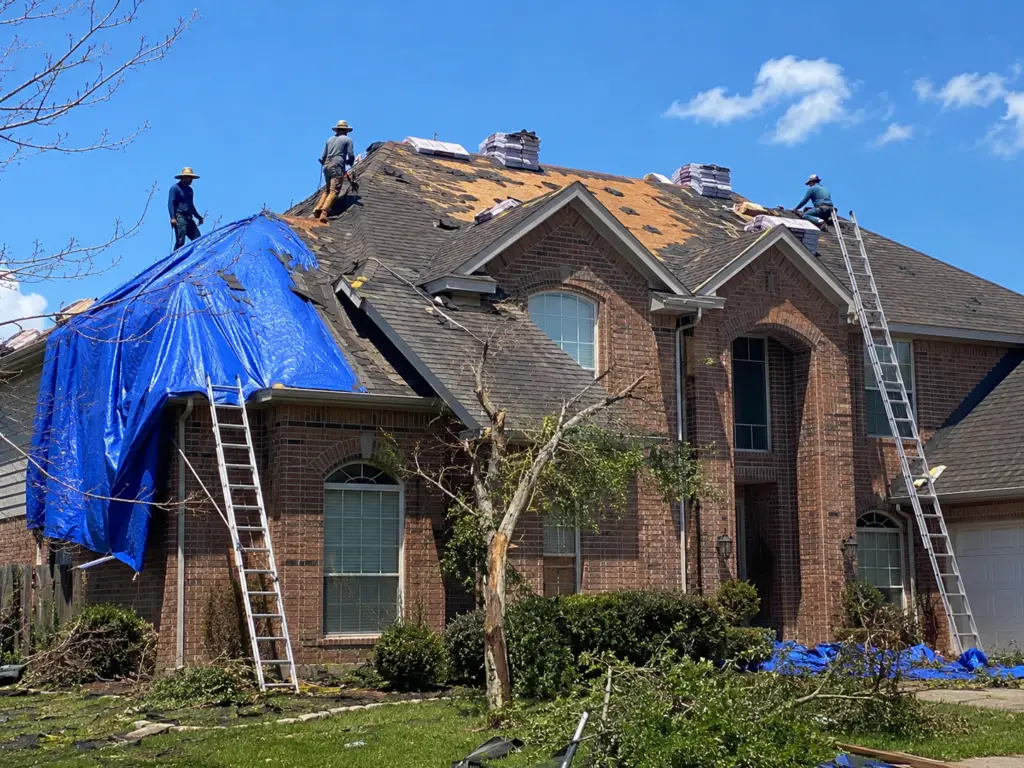
Make one record of the affected areas
From safe locations, photograph the overall area and visible details. Note the date, rooms affected, changes since the storm, and previous problems or repairs. Keep receipts for temporary work. Avoid delaying necessary safety measures just to collect photos.
Ask the inspector to distinguish visible damage, suspected causes, pre-existing conditions, and areas that could not be inspected. Dents or marks on one component may justify a closer assessment elsewhere, but they do not prove that every exterior surface needs replacement.
Connect the work at shared junctions
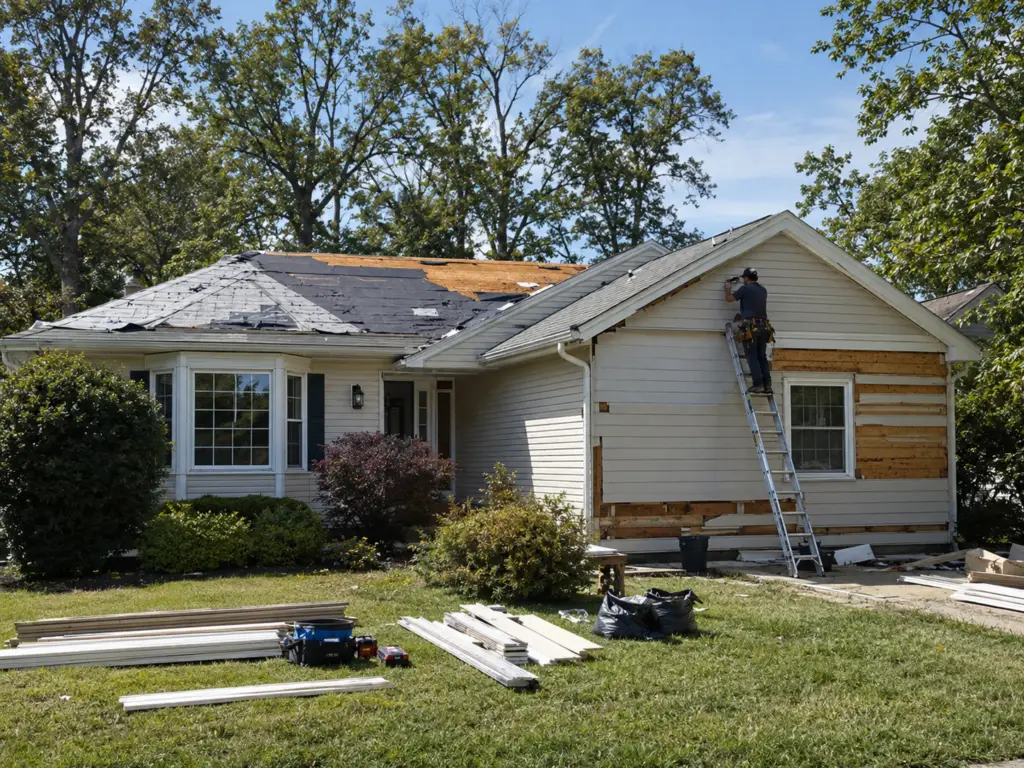
Water management depends on how components meet. A roof-to-wall repair may require siding access; a gutter replacement may expose fascia damage; a window project may affect trim and flashing. Ask who is responsible for each junction and whether the quote includes removal and reinstatement of adjacent materials.
- Which trades or crews need access to the same area?
- What must be completed before the next part starts?
- Who protects unfinished work between visits?
- Who handles a concealed condition discovered during removal?
- Which finish, paint, or interior repairs are separate?
Separate the repair scope from the claim decision
A contractor can document observations and price the proposed work. Your insurer determines coverage under the policy. Keep the estimate, inspection photos, insurer correspondence, and approved changes together, and ask the insurer directly about deductibles, settlement terms, and claim requirements.
Do not assume that an adjuster’s visit, a contractor’s opinion, or a storm date guarantees payment. Ask for written explanations when the contractor’s scope and the insurer’s assessment differ.
Plan approvals, materials, and the sequence
Confirm the property’s city or county and any association or historic requirements. Agree who will check approvals, order materials, arrange access, and communicate schedule changes. Product availability and weather can affect the sequence, so ask how any delay will be managed.
Close out the complete project
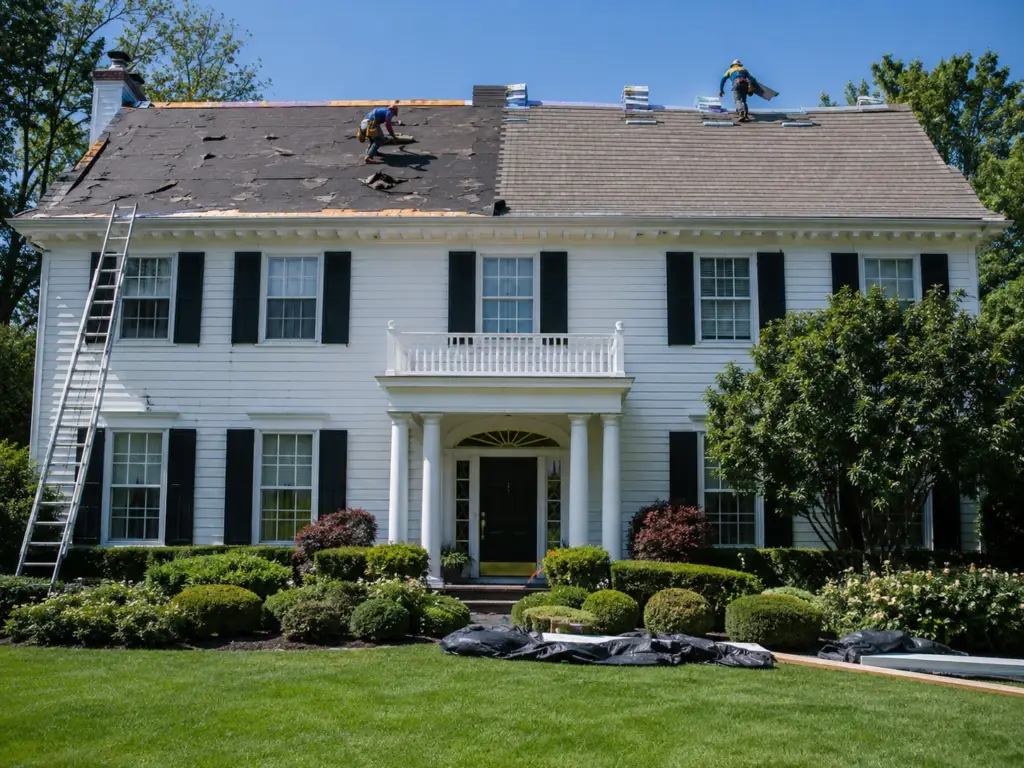
Review each agreed work area, remaining items, cleanup, and completion photos. Collect invoices, written warranty terms, care instructions, and applicable approval records. Keep a single project contact for questions about how the repaired components work together.
USA Storm Roofing offers storm damage services across our listed Virginia, Maryland, and DC communities. Contact our team with your address and the affected areas. Free exterior inspections differ from our paid leak diagnosis service; confirm the appointment scope before scheduling.