
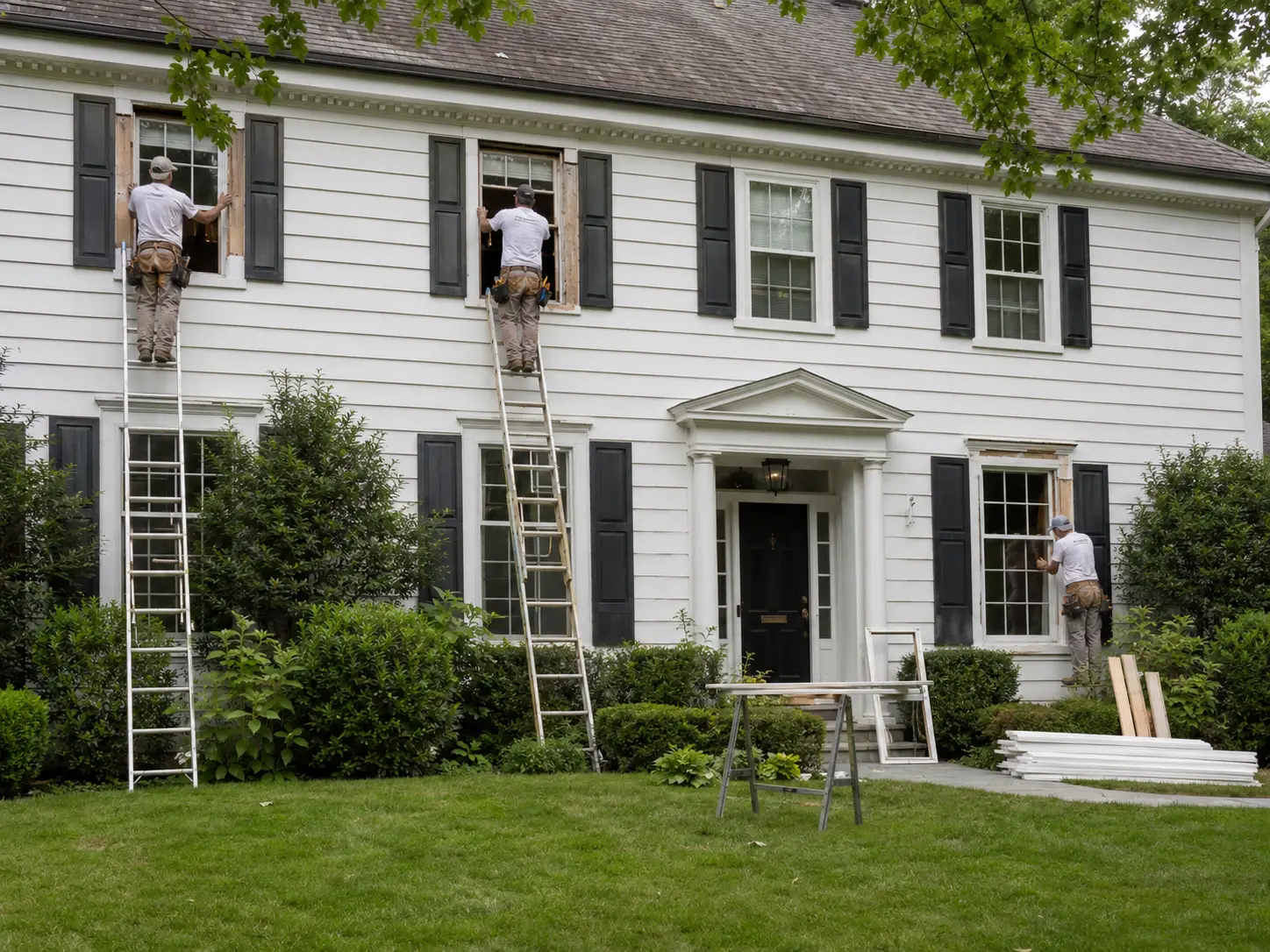
A troublesome window does not always require a complete replacement. The next step depends on which part is failing, the condition of the frame and surrounding wall, and whether suitable parts remain available. Separate the symptom from its cause before comparing repair and replacement proposals.
Locate moisture before calling it a failed seal
Note whether moisture is on the room-side glass, the outside surface, or between the panes where you cannot wipe it away. These are different conditions. Andersen’s interior condensation guidance explains that room-side condensation does not itself mean the glass has failed.
Persistent moisture between sealed panes may indicate an insulating-glass seal problem. Ask a qualified window professional to identify the product and whether a compatible glass unit or sash can be replaced. That option depends on the design, parts availability, warranty, and condition of the rest of the window.
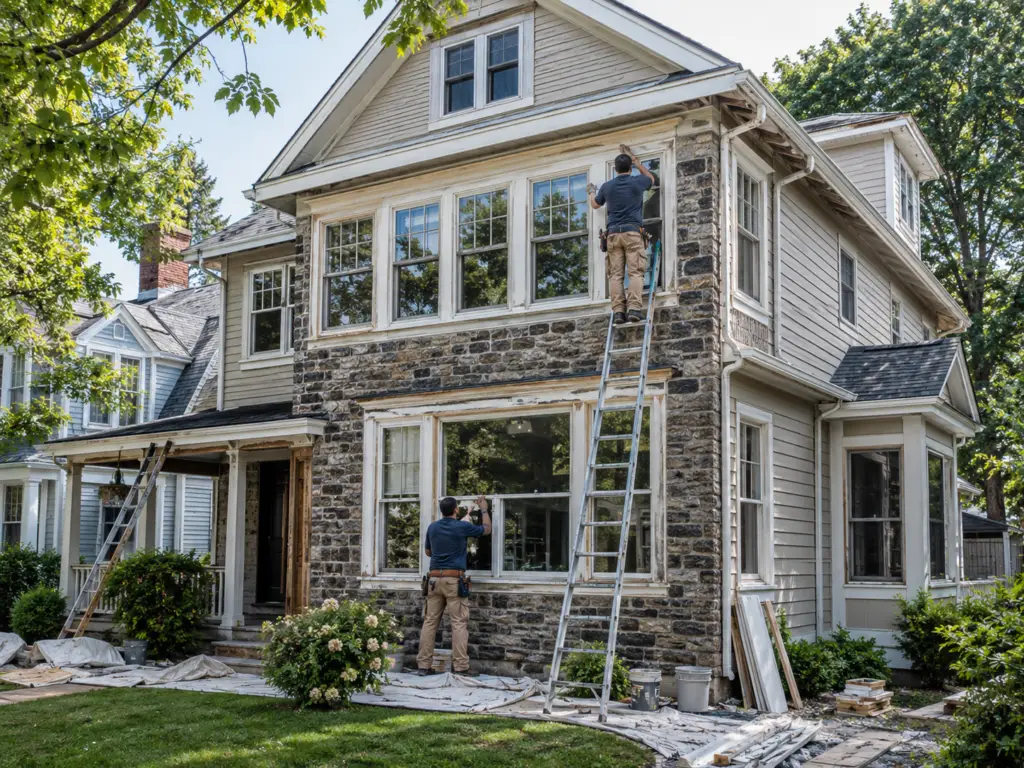
Match the investigation to the symptom
- Difficult operation: Describe whether the sash sticks, drifts, rubs, or will not lock. Hardware, alignment, frame condition, and installation may need assessment.
- A draft: Identify where you feel it and under what conditions. Worn weatherstripping, an incomplete closure, or gaps around the installation call for different remedies.
- Water at the trim: Record when it appears. The source may involve the window, flashing, adjacent siding, or another part of the wall.
- Broken glass or loose parts: Keep people away and seek professional help. Do not operate a damaged sash or handle unstable glass.
Do not cover drainage openings or apply sealant everywhere as a general solution. Ask what the proposed repair addresses and how the selected product is designed to manage water.
When a limited repair is worth discussing
A localized hardware, weatherstripping, glass, or sash issue may have a serviceable solution when the remaining assembly is sound. Ask the manufacturer or installer about compatible parts; Andersen’s replacement-parts resources illustrate why product identification matters.
Keep the model information, approximate installation date, and warranty records available. A repair quotation should state the exact component, labor, finish work, and limitations.
When a broader replacement scope may fit
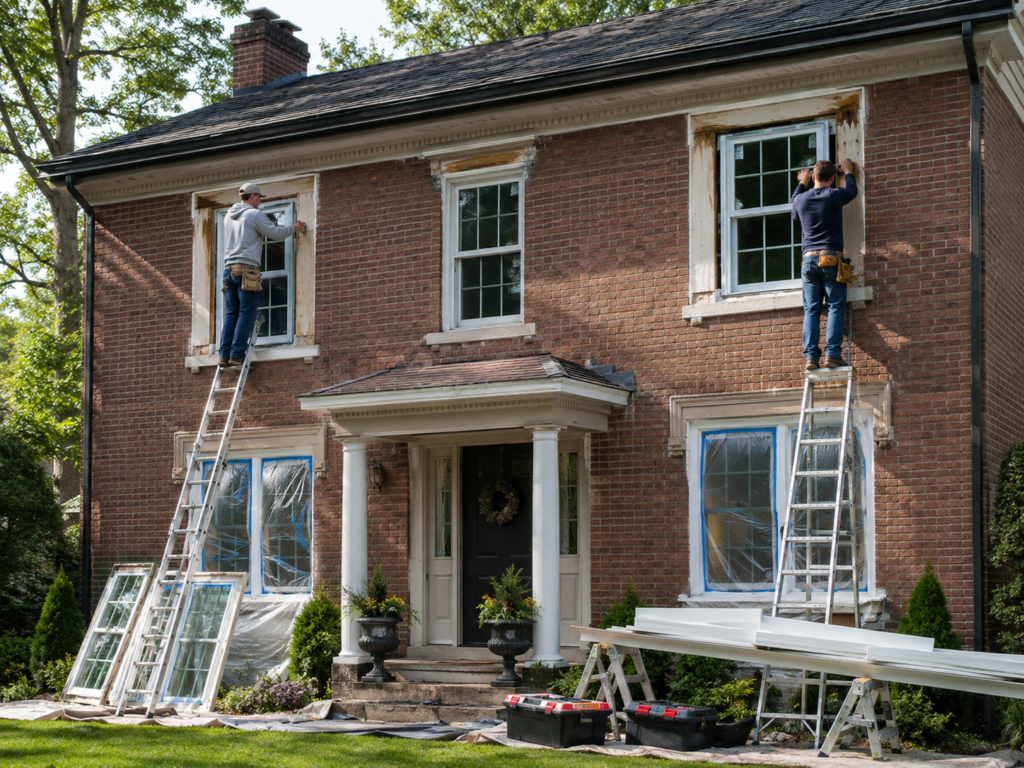
Extensive deterioration, repeated water entry, unsuitable operation, or unavailable components can justify discussing replacement. Ask whether an insert installation retains the existing frame or a full-frame replacement exposes more of the opening. The less disruptive option is not automatically suitable when the retained frame or surrounding water-management details are damaged.
Compare the actual product configuration and installation scope. Energy ratings, opening size, glass type, screens, locks, trim, and applicable safety requirements matter more than a general promise of efficiency or quietness.
For work that disturbs painted surfaces in older homes, discuss lead-safe planning before removal. The EPA consumer guide explains why pre-1978 housing needs particular attention.
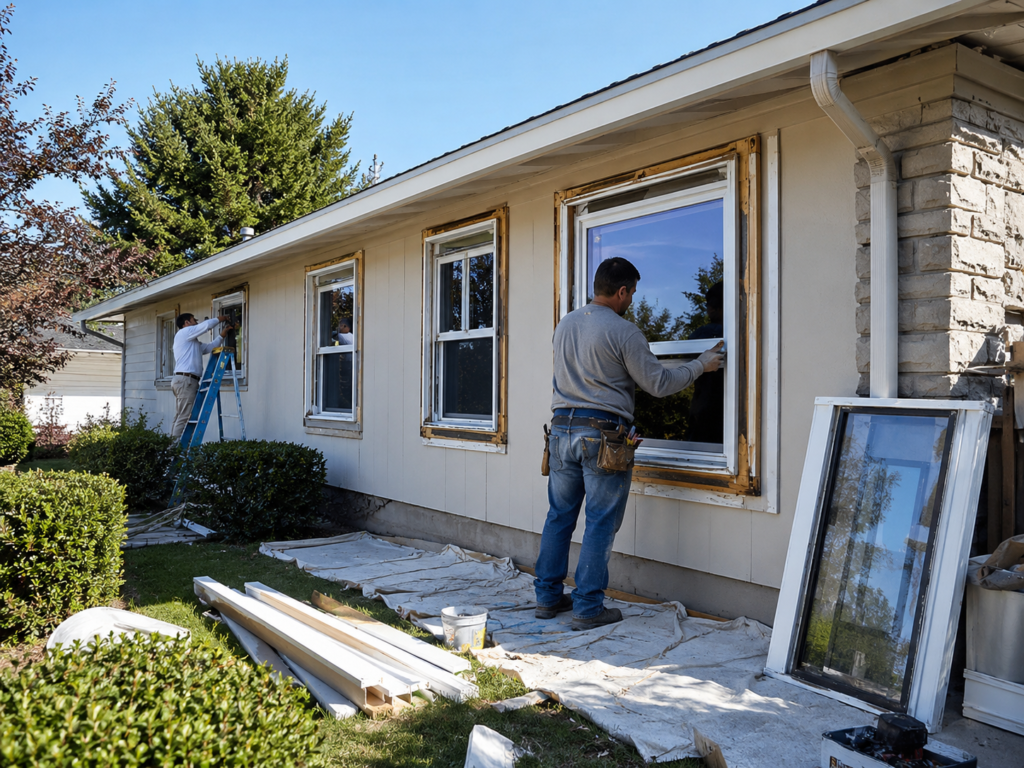
Ask for a recommendation that explains its limits
Request findings, photos where useful, the proposed scope, exclusions, and a process for concealed damage. If water is entering, establish how the source will be investigated before replacing interior finishes. A new window alone will not resolve a separate wall or roof leak.
USA Storm Roofing can discuss window replacement planning and the exterior work your opening may need. Contact our team with your location, symptoms, and product information. Confirm whether the requested component repair or specialist investigation is within the proposed service scope.