
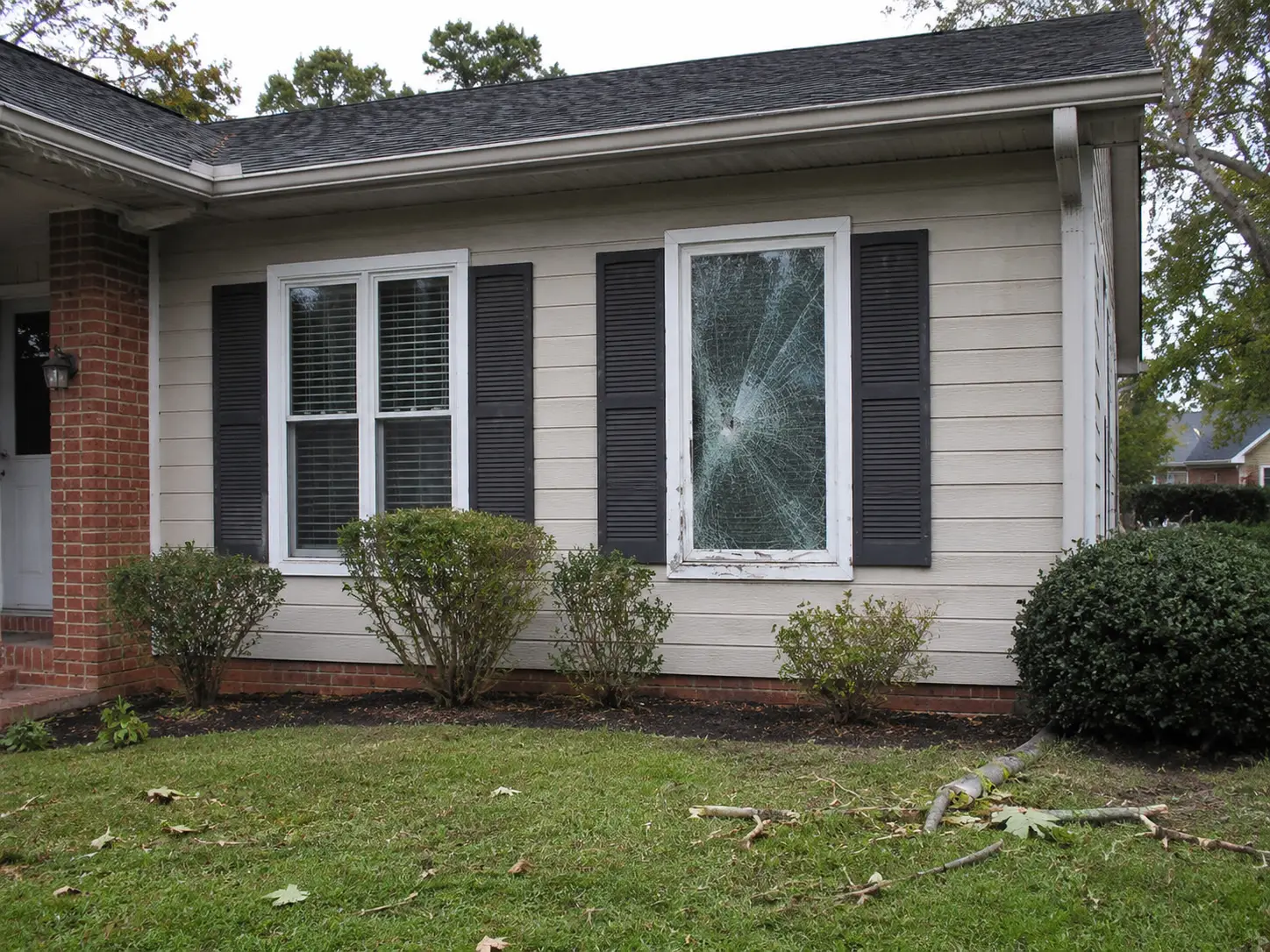
After a storm, inspect windows only from safe, accessible positions and record each affected opening separately. Glass, screens, hardware, trim, and the surrounding wall are different parts of the assessment. A damaged screen does not establish glass failure, and a stain near a window does not prove the window itself is the source.
Keep clear of damaged glass and unstable parts
Keep children, pets, and other people away from broken glass or loose exterior pieces. Do not operate a damaged sash, press on a crack, or remove unstable glass to inspect it. Ask a qualified professional about making the opening safe and any temporary protection needed.
Report active water entry, an opening that cannot be secured, or other urgent concerns when calling. Current availability and the appropriate service depend on the condition you describe.
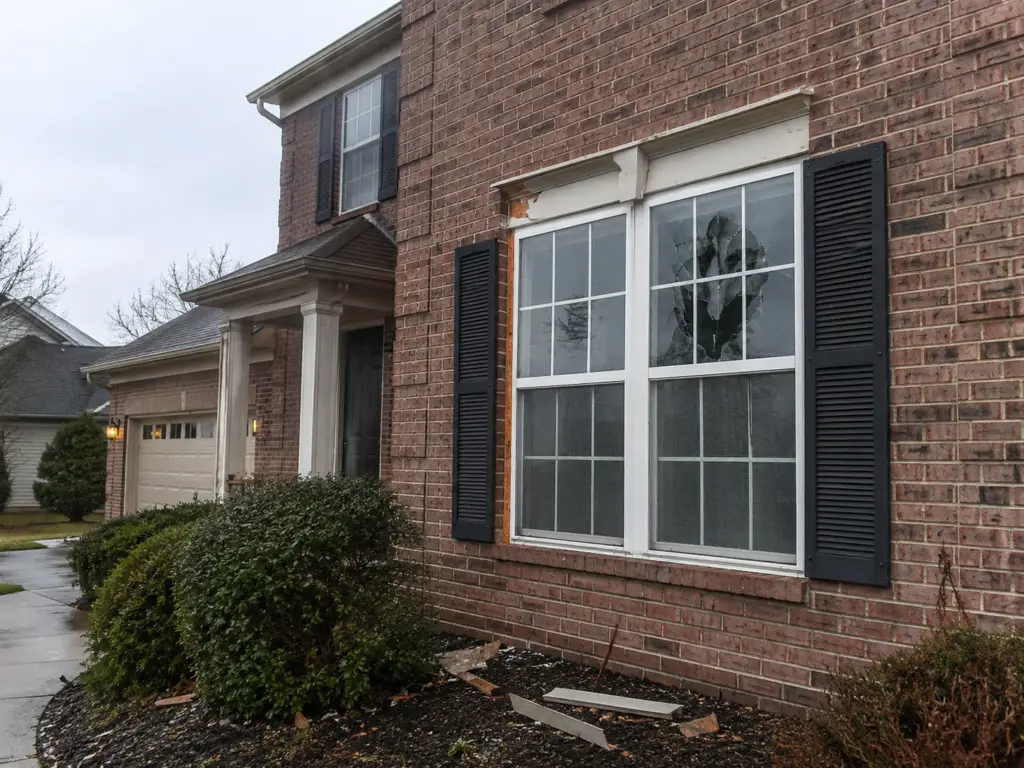
Make a record for each opening
- Location: Room, floor, and side of the home.
- Visible change: Cracked glass, torn screen, displaced trim, damaged hardware, or a new water mark.
- Timing: When it was first noticed and whether it appeared during or after the storm.
- Operation: A known change in closing or locking, without testing a damaged unit.
- Product: Manufacturer, model, installation records, and warranty information if available.
- Photos: An overview and safely obtainable detail, including adjacent siding or trim where relevant.
Include prior leaks or repairs. A newly noticed condition is not automatically new storm damage, so accurate history matters.
Distinguish the moisture location
Water on the room-side glass, moisture between panes, and rain appearing around the frame have different possible explanations. A surface condensation pattern does not itself prove a failed glass seal. A wall or flashing problem can also appear as a leak near the window.
Our window repair-versus-replacement guide explains those distinctions and the importance of identifying the actual component.
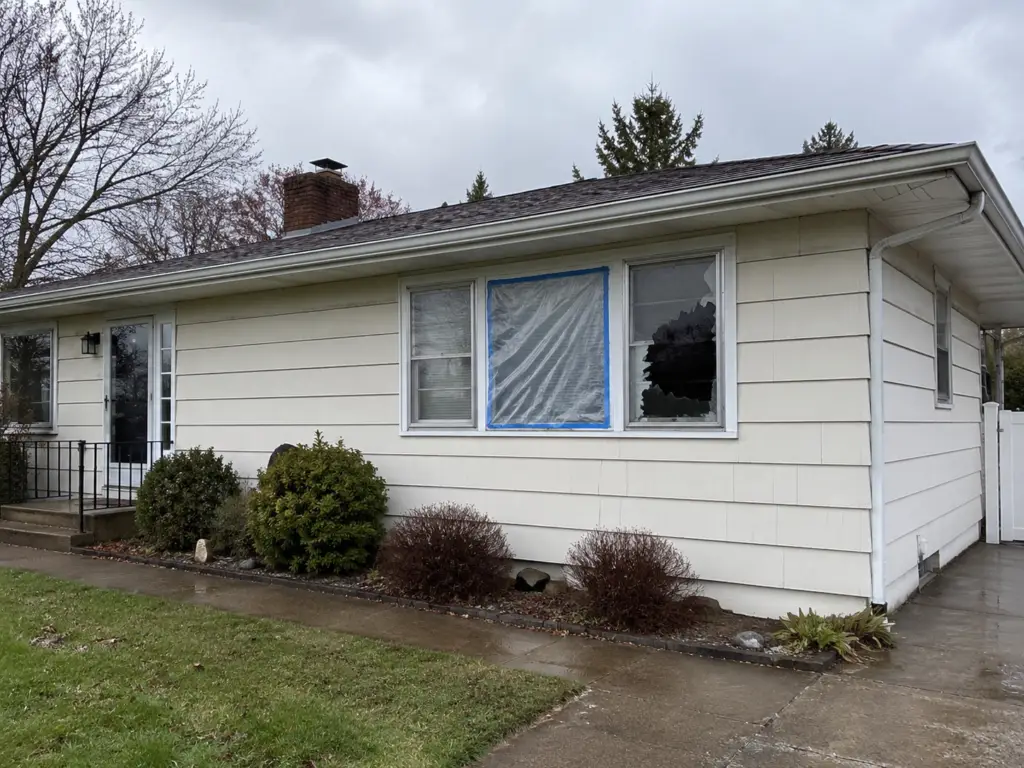
Ask what can be repaired separately
Depending on the product and condition, a screen, hardware component, glass unit, or sash may have a repair or replacement option without replacing the whole opening. Availability and compatibility need confirmation. More extensive frame or surrounding-wall damage may call for a broader scope.
Ask the assessor to identify confirmed findings, inaccessible areas, and any further investigation needed. Compare removal, flashing, trim, finish work, and concealed-damage allowances in a replacement proposal.
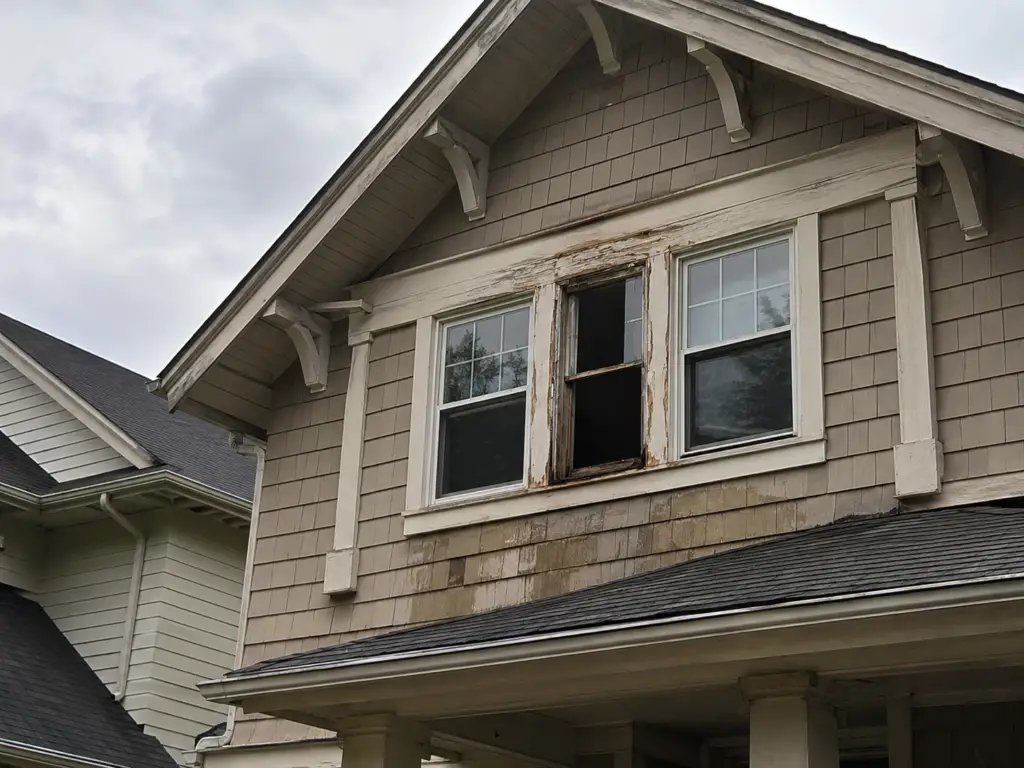
Coordinate service and insurance questions
USA Storm Roofing can discuss window replacement and related exterior repair planning across our listed service areas. Contact the team with your location and the affected openings. Confirm whether a component-only repair, glazing specialist, or separate leak investigation is appropriate.
Keep dated photos, estimates, and temporary-protection receipts. Ask your insurer about reporting requirements and coverage; a contractor cannot guarantee approval or establish the policy’s settlement terms.