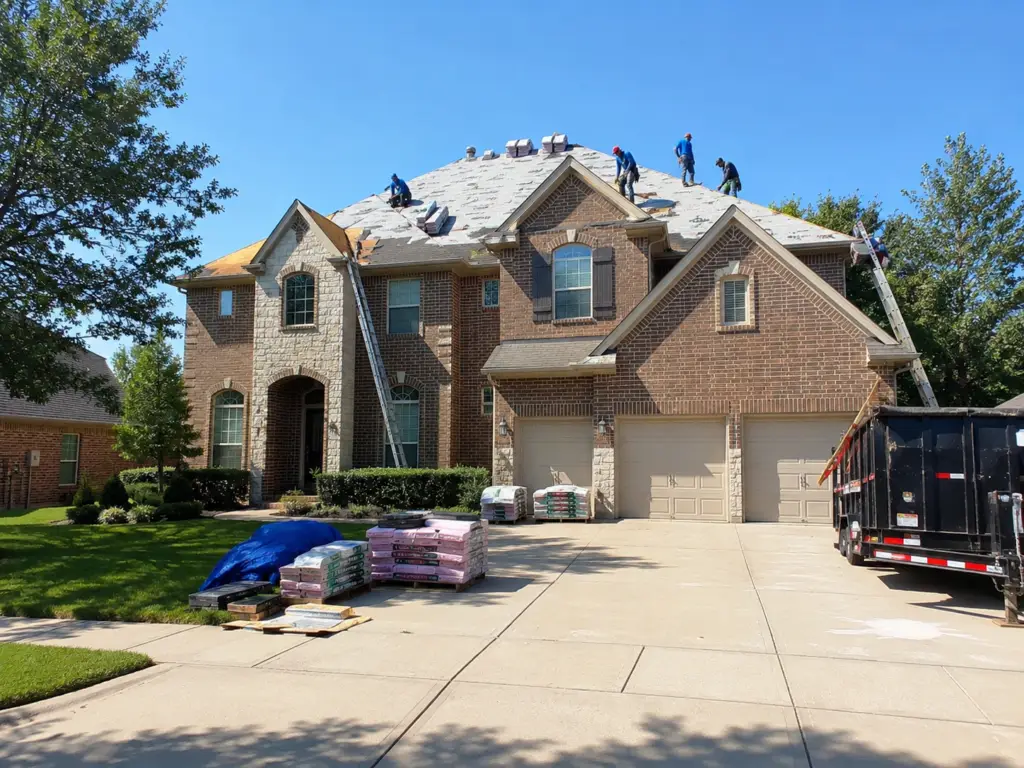
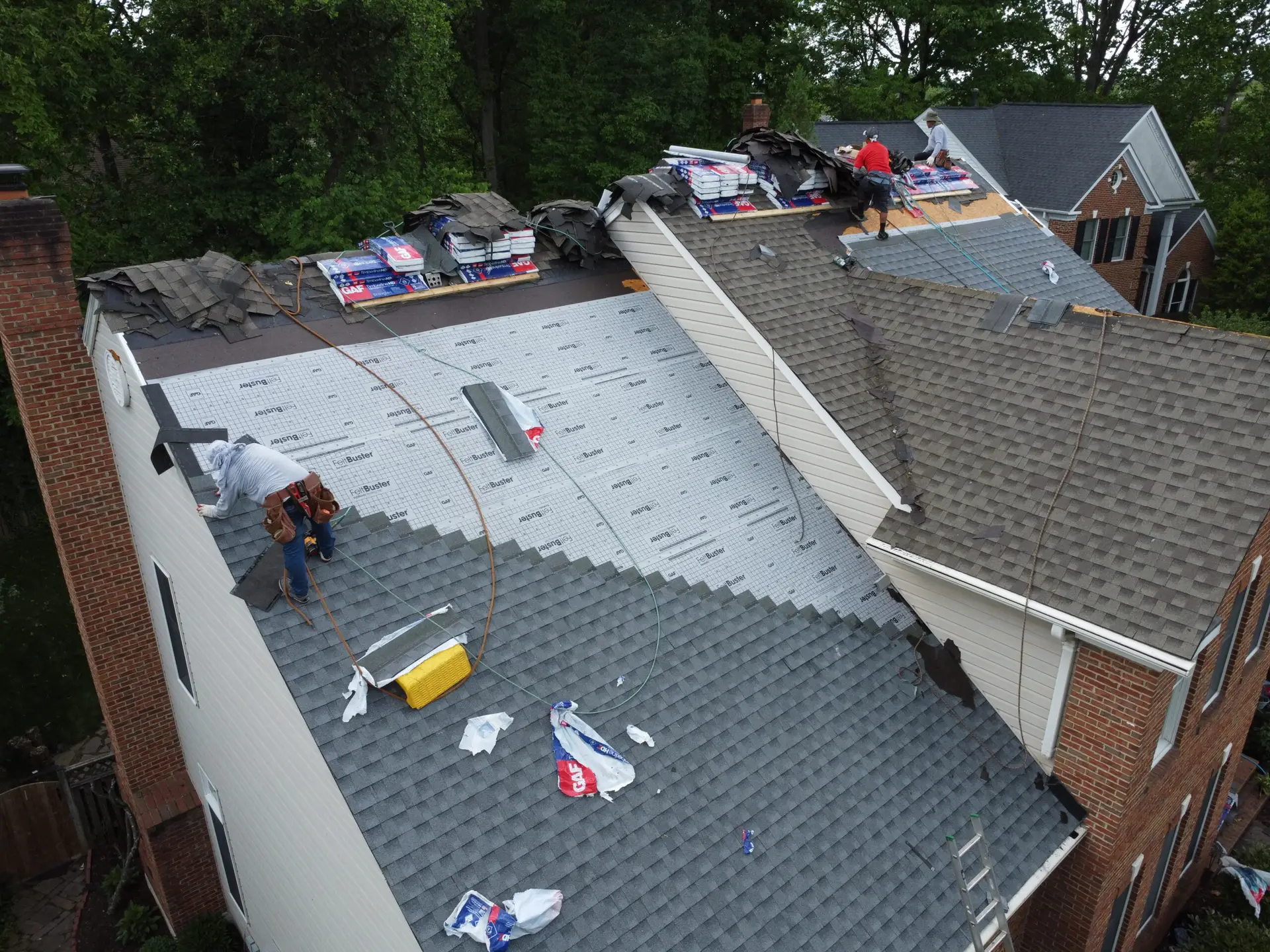
There is no single replacement interval that fits every roof. Age is useful background, but the material, installation, exposure, repair history, and current condition determine the next step. A roof should not be replaced just because it reaches a number in a general lifespan chart.
Use age as a reason to investigate
Find the installation date, product information, previous estimates, and warranty records if available. Different products within the same material category can have different specifications and coverage. A warranty period is not a prediction of how long the roof will remain serviceable.
If the roof’s age or repair history is uncertain, ask an assessment to describe visible condition and limitations. Concealed decking, inaccessible details, and the inside of some assemblies may require further investigation.
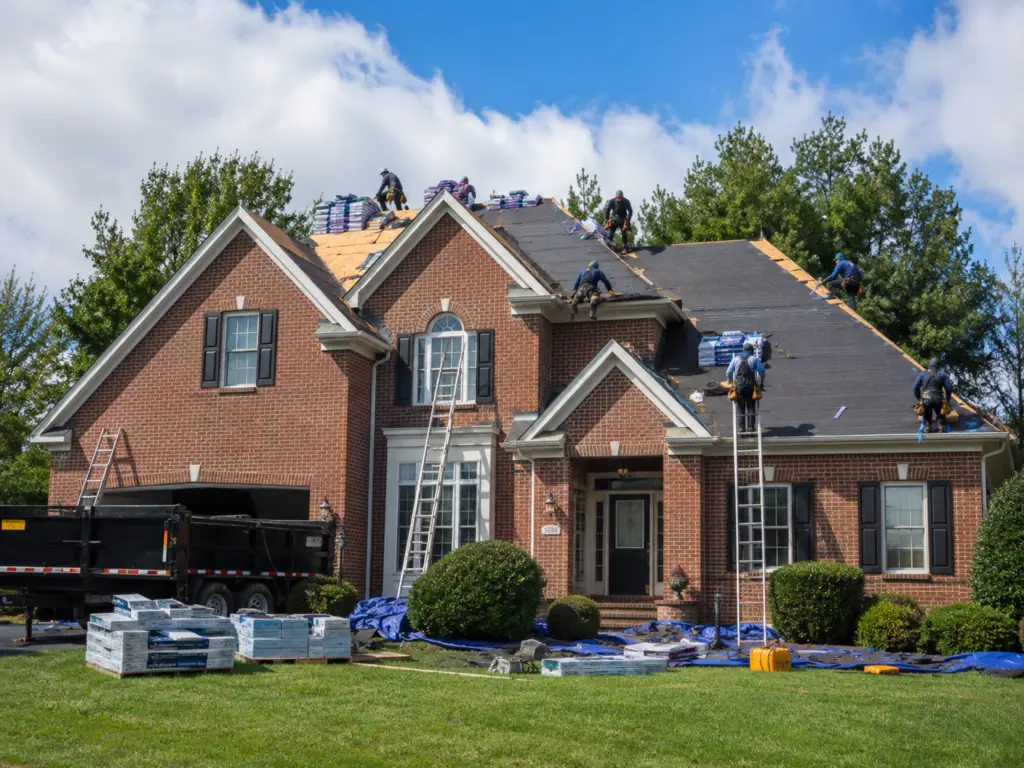
Separate warning signs from a replacement decision
- Missing or damaged shingles: ask how widespread the damage is and whether a compatible repair can be made.
- A ceiling stain or active leak: investigate the source; water can travel before it becomes visible indoors.
- Granules in a gutter: evaluate the amount and roof condition in context. The observation alone does not establish that the whole roof has failed.
- Repeated repairs: review whether they addressed the cause and whether deterioration affects more than one area.
- Sagging or unstable areas: stay clear and seek qualified assessment promptly.
Use ground-level photographs and accessible records. Do not walk on a roof or enter an unsafe attic to decide whether it needs replacement.
When a repair may be reasonable
A limited repair may be practical when the cause is understood, surrounding materials remain suitable, and the repaired detail can be integrated properly. Ask what the repair includes, its limitations, and whether other areas need monitoring.
A repair proposal should explain why that scope addresses the problem. Repeatedly applying surface sealant without identifying the water path may leave the original issue unresolved.
When to compare replacement options
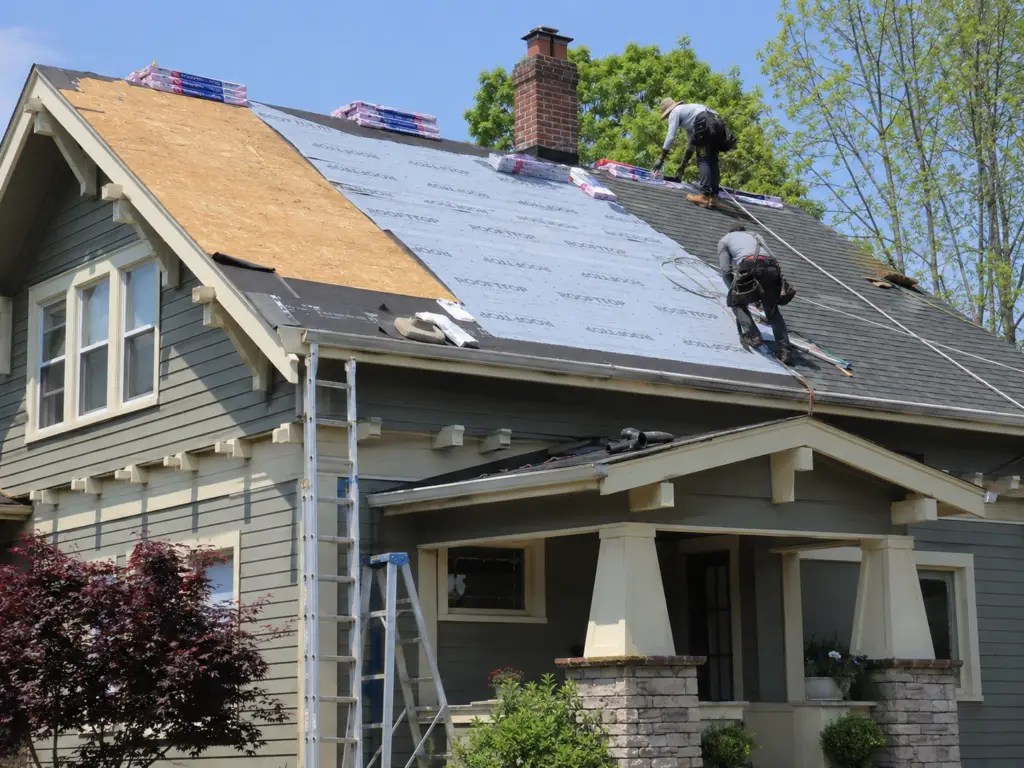
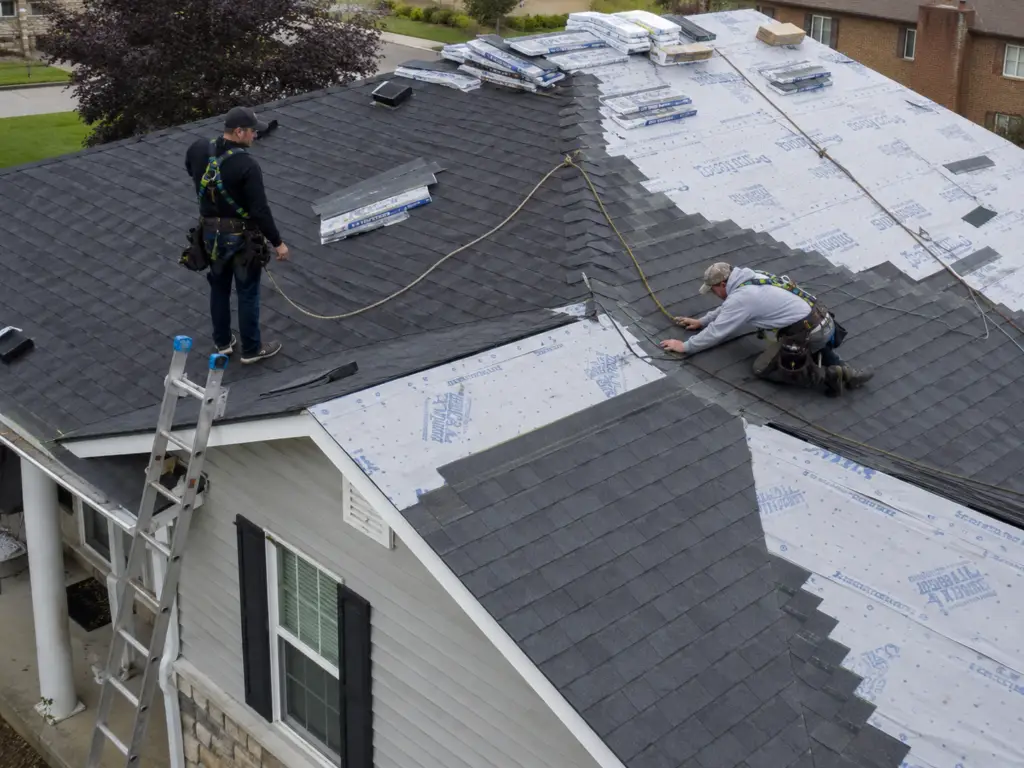
Replacement may be worth evaluating when deterioration or damage is widespread, repair integration is impractical, or the complete assembly needs work that limited repairs cannot address. Ask for photographs and a written explanation supporting the recommendation.
Compare the roof covering with the supporting details: decking, underlayment, flashing, edges, penetrations, and ventilation. Replacing shingles alone should not be assumed to correct every moisture or comfort problem.
Maintain the roof according to its needs
Follow product care guidance and arrange assessment when new symptoms appear or after a damaging event. Discuss debris, drainage, nearby vegetation, and previous repairs. Maintenance can help identify problems; it cannot prevent every storm loss or guarantee a specific service life.
For active water entry, the appropriate visit may be a paid leak diagnosis rather than a free exterior inspection. Confirm the scope and fee when scheduling.
Questions for the inspection report
- What conditions were observed, and where?
- Which areas could not be inspected?
- What is the likely cause, and what remains uncertain?
- Is repair practical, and what are its limitations?
- If replacement is recommended, which assembly details must change?
- What should be addressed now, and what can be monitored?
USA Storm Roofing and Construction Group provides roof repair and replacement consultations across our listed service areas. Contact us with the roof’s history and current symptoms so the appointment can focus on the decisions you need to make.