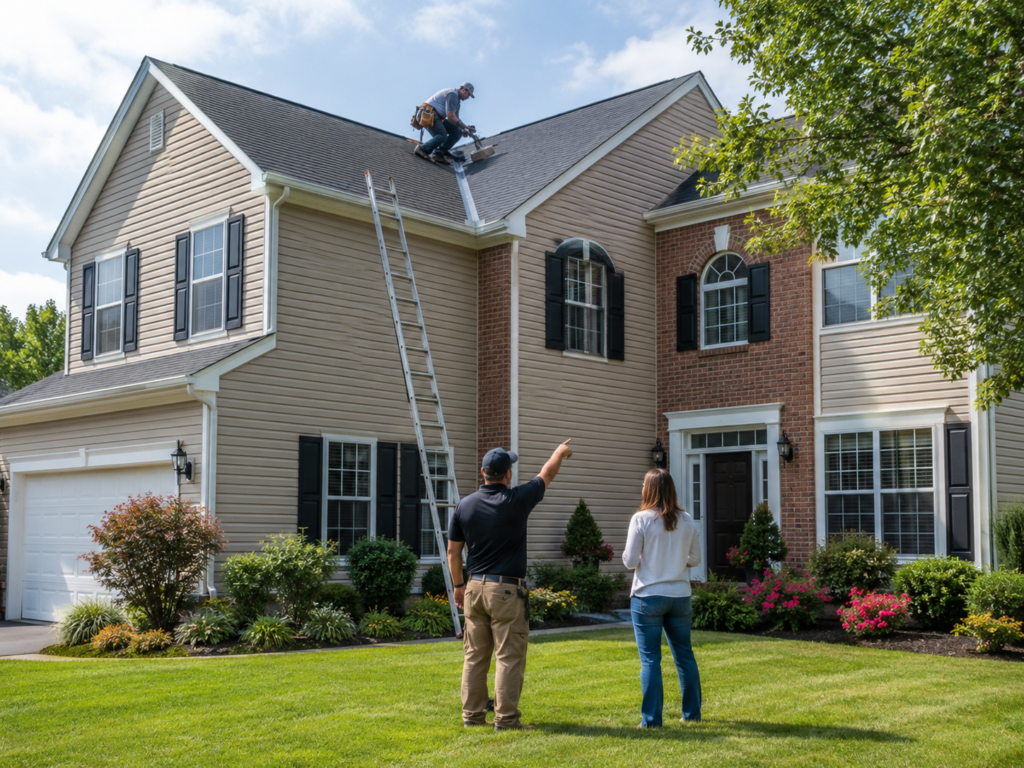
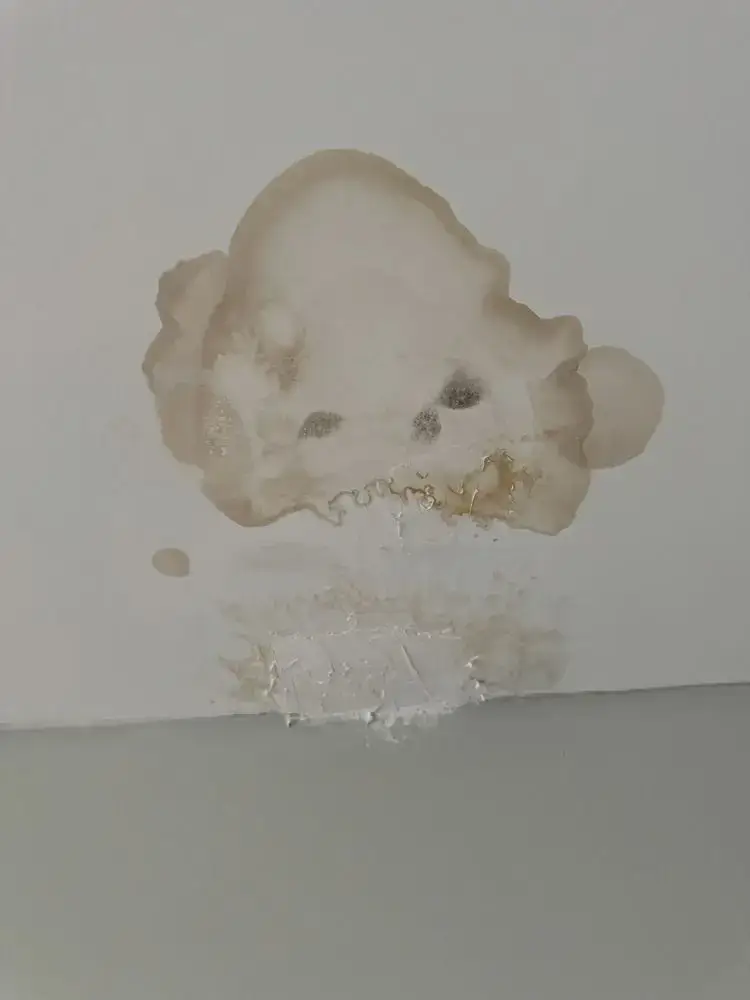
A roof leak needs prompt attention, but the repair should begin with finding where the water enters. A ceiling stain may be some distance from the source because water can travel along framing or roof materials. Plumbing, condensation, and exterior-wall problems can also resemble a roof leak.
What to do when you notice water
Keep people away from a sagging ceiling or an area where water may contact electrical equipment. Seek emergency assistance for an immediate electrical or structural hazard. Do not climb onto a wet or damaged roof, puncture a bulging ceiling, or enter an unsafe attic to investigate.
From a safe location, record when the leak happens and take photographs of visible damage. Move belongings only if it is safe. Contact a roofing professional to discuss the symptoms, access, weather, and available response time.
Information that helps a leak investigation
- Whether dripping follows steady rain, wind-driven rain, or snowmelt
- Where stains first appeared and whether they have changed
- Recent roofing, chimney, satellite, solar, or HVAC work
- Known roof age and previous repairs
- Any missing materials visible safely from the ground
These observations help narrow the investigation. They do not establish the cause on their own. Avoid applying general-purpose sealant over an unknown defect; it can conceal the problem or interfere with a compatible repair.
Common areas a roofer may check
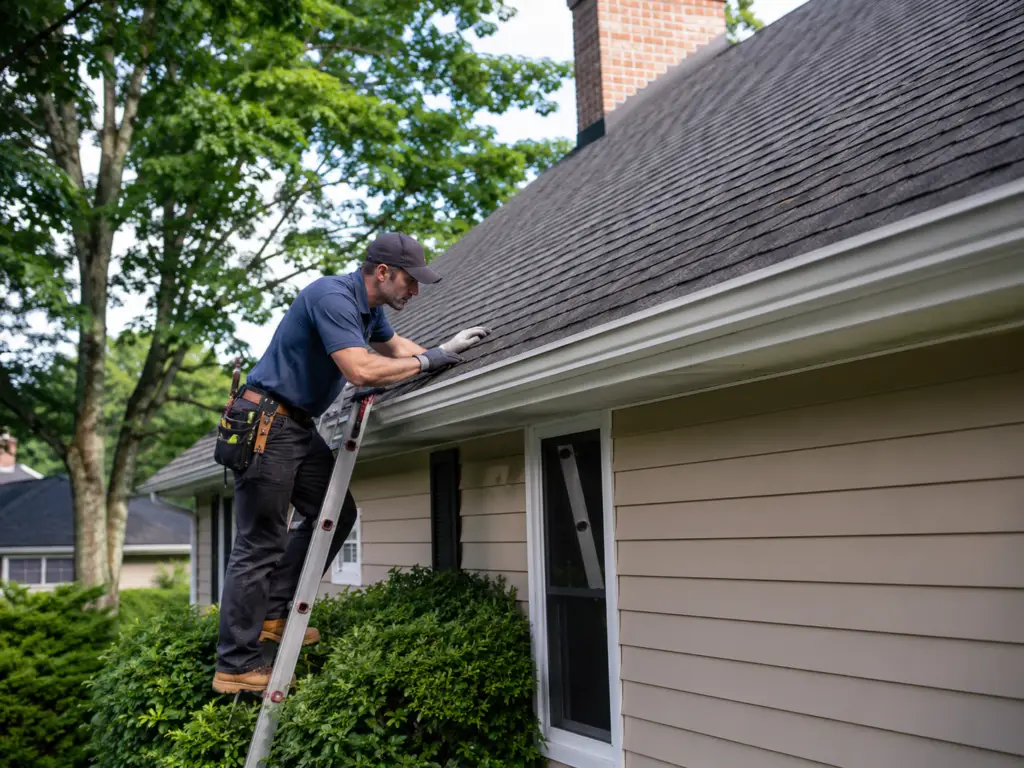
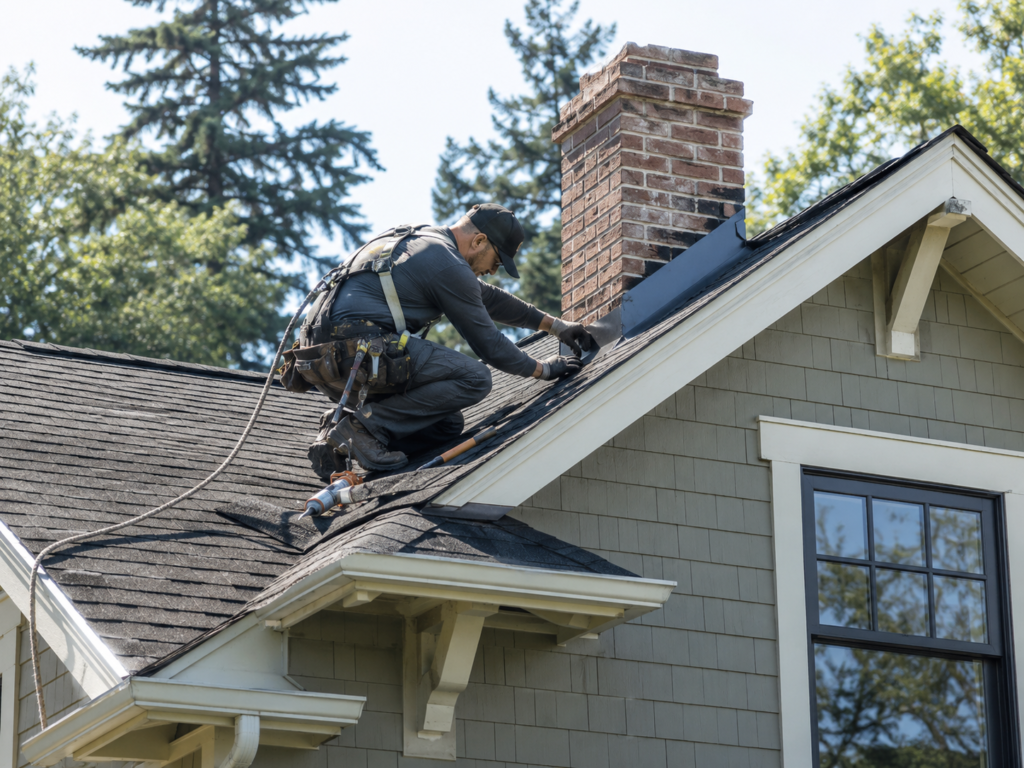
Leaks can involve damaged shingles or membranes, flashing around chimneys and walls, pipe boots, skylight details, valleys, or roof edges. On low-slope roofs, drains, seams, and penetrations also need attention. An investigation should consider how water reaches the damaged area, rather than assuming every leak needs a new roof.
Diagnosis, temporary protection, and repair are different steps
USA Storm Roofing’s leak-diagnosis service is paid. Confirm the fee and appointment scope before booking. Our service page explains the credit toward the repair total when you hire us to fix the diagnosed roof leak.
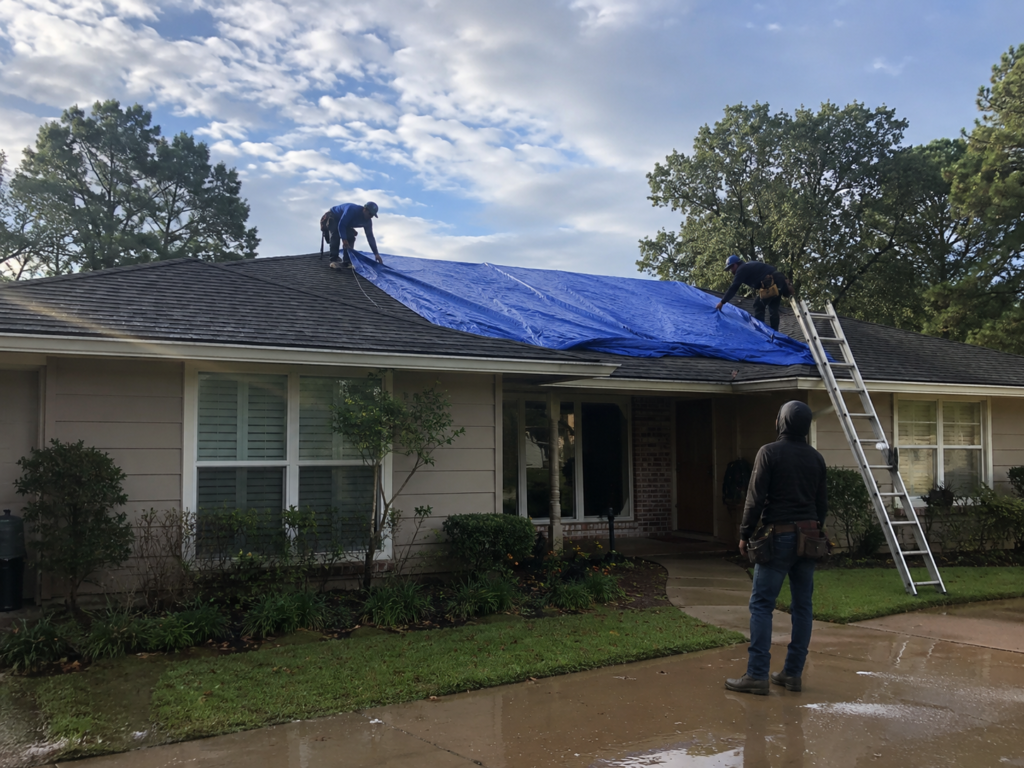
Temporary protection may help limit further water entry when conditions permit, but it is not the permanent repair. Ask what it includes, how long it is intended to remain, and how the affected area will be revisited. Rooftop tarping and repairs require appropriate equipment and safe conditions.
After diagnosis, request a written repair scope. It should explain the defect, proposed materials and details, any necessary access or removal, and the limits of what could be inspected.
When repair may be enough
An isolated flashing defect or localized damage may be repairable when the surrounding roof remains serviceable. Repeated failures, widespread deterioration, or wet and damaged underlying materials may call for more extensive work. Ask for photographs and an explanation of the alternatives.
A roof repair does not automatically include drying insulation, replacing interior finishes, or mold remediation. Confirm which work is included and which may need another qualified professional.
Address wet materials as well as the leak
Stopping water entry is one part of recovery. Wet building materials and furnishings also need prompt assessment and drying. The EPA’s guide to mold and moisture explains why controlling the water source and drying affected areas matter. Extensive damage or suspected hidden moisture may need specialist help.
What to ask before authorizing work
- What evidence identifies the source?
- Is the proposed work temporary or permanent?
- What happens if concealed damage is found?
- Which interior repairs or drying work are excluded?
- What warranty applies to the completed repair?
If an insurance claim is involved, keep photographs, estimates, and repair records. Your insurer determines coverage and payment under your policy. We can provide damage documentation and explain the proposed roofing work.
Schedule help for a roof leak
Contact USA Storm Roofing & Construction Group or call (571) 653-1241. Describe whether the leak is active, any visible safety concerns, and your location. We serve the communities listed on our service-area page; availability and safe access determine scheduling.