TPO is one option for a flat or low-slope roof. Its suitability depends on the building, drainage, roof deck, insulation, attachment method, and exposure—not simply the membrane’s name. A useful proposal explains the complete assembly and why it fits the property.
What TPO roofing is
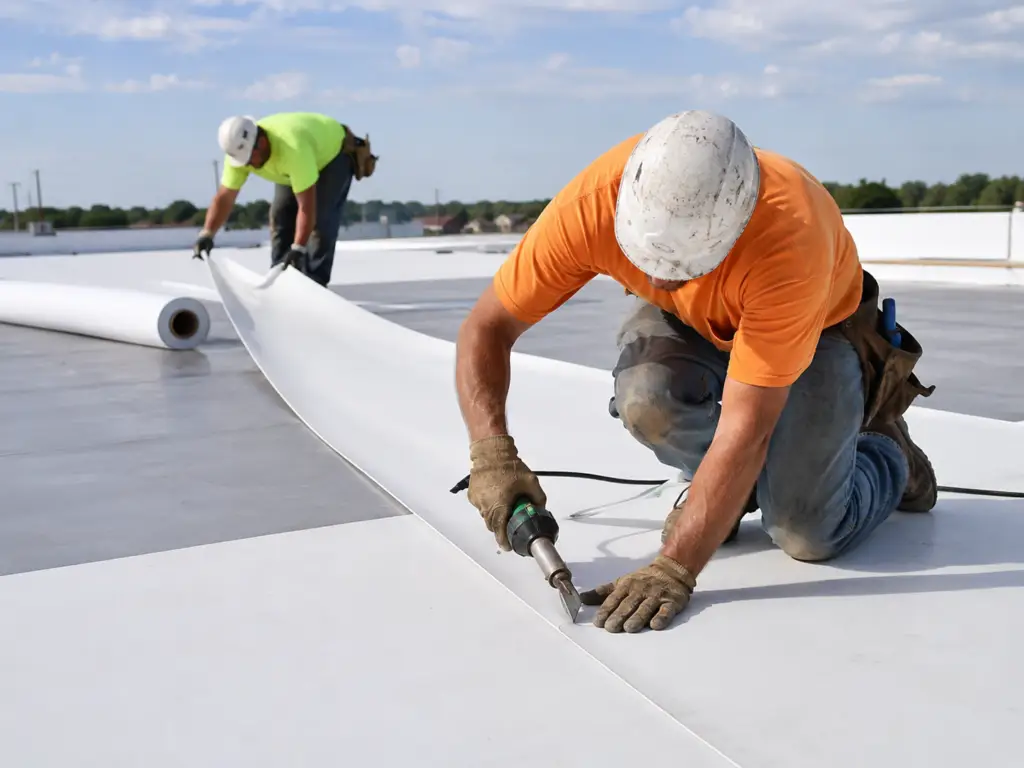
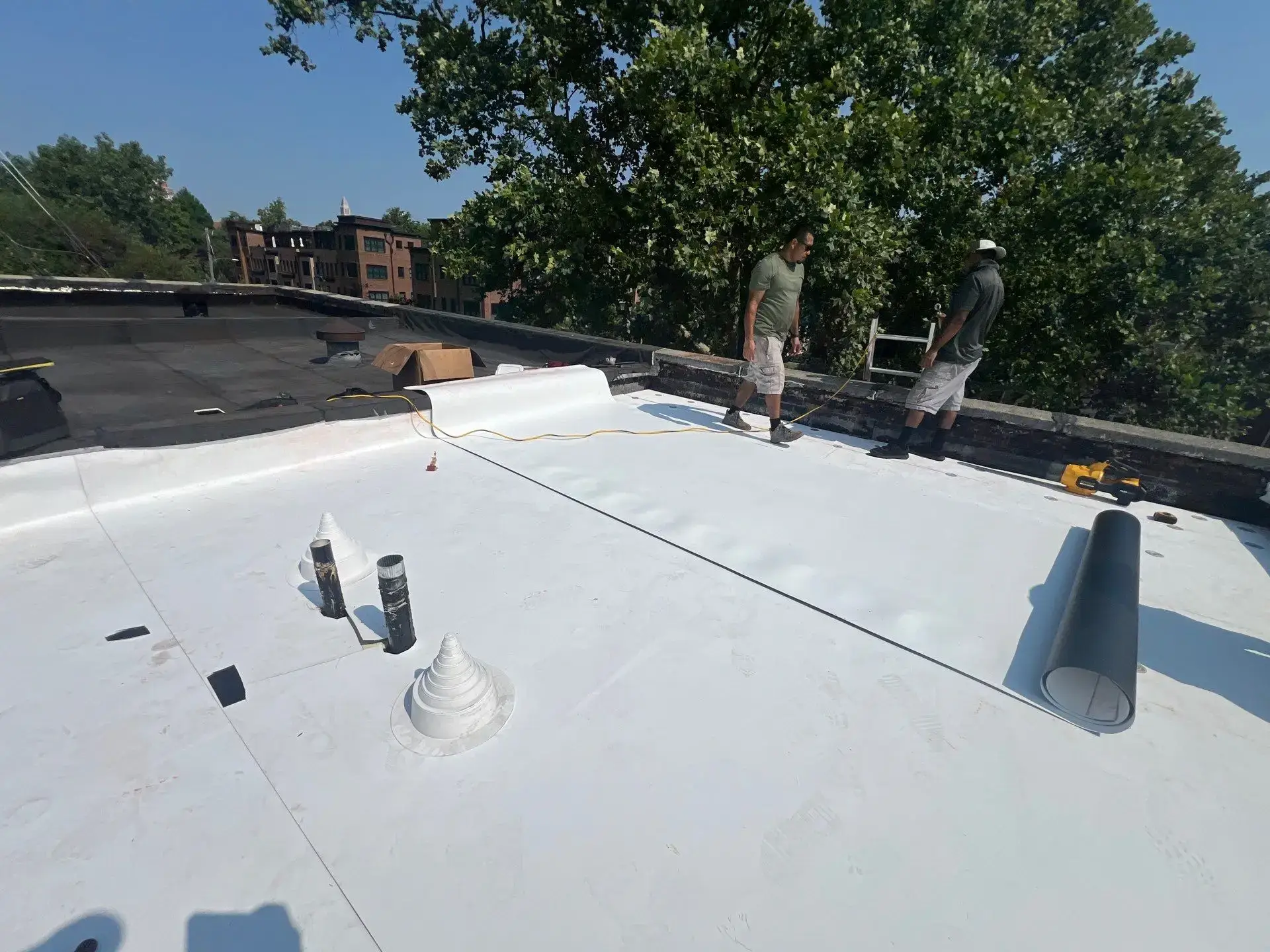
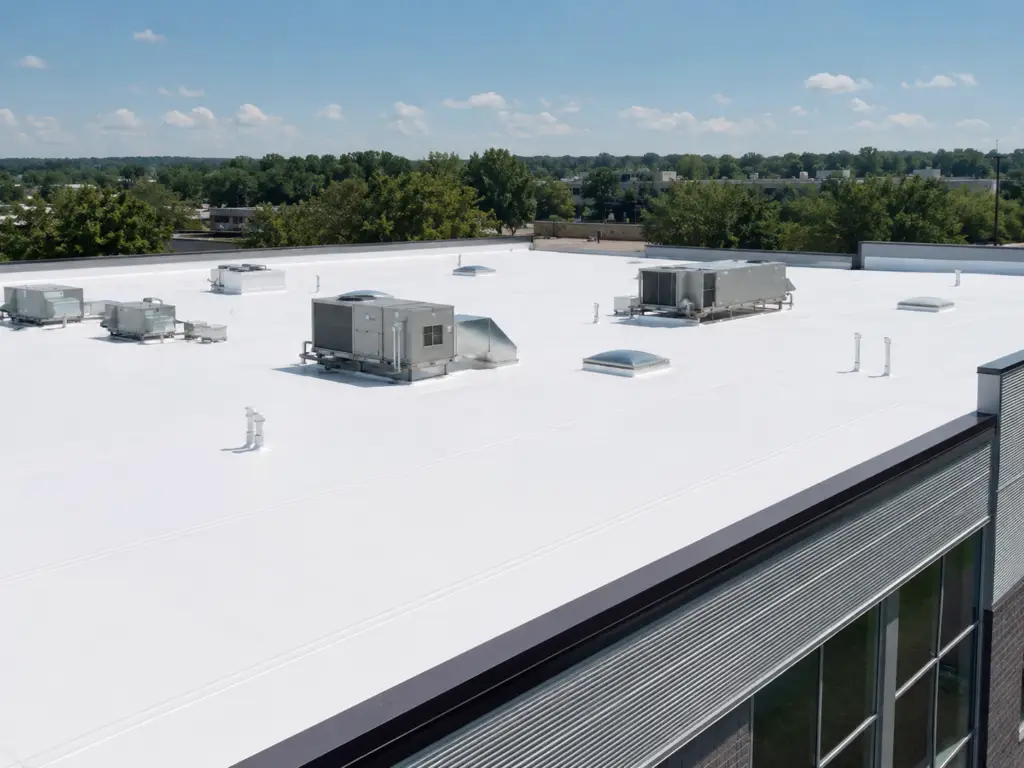
Thermoplastic polyolefin, or TPO, is a single-ply roofing membrane supplied in rolls. Installers join adjacent sheets with heat-welded seams and use compatible details around roof edges, drains, walls, and penetrations. The roof still has seams and flashing; calling it a seamless roof can hide the details that need careful installation and inspection.
See GAF’s TPO membrane information for examples of products and system options. Product thickness, reinforcement, attachment, and warranty eligibility vary.
Where a TPO system may make sense
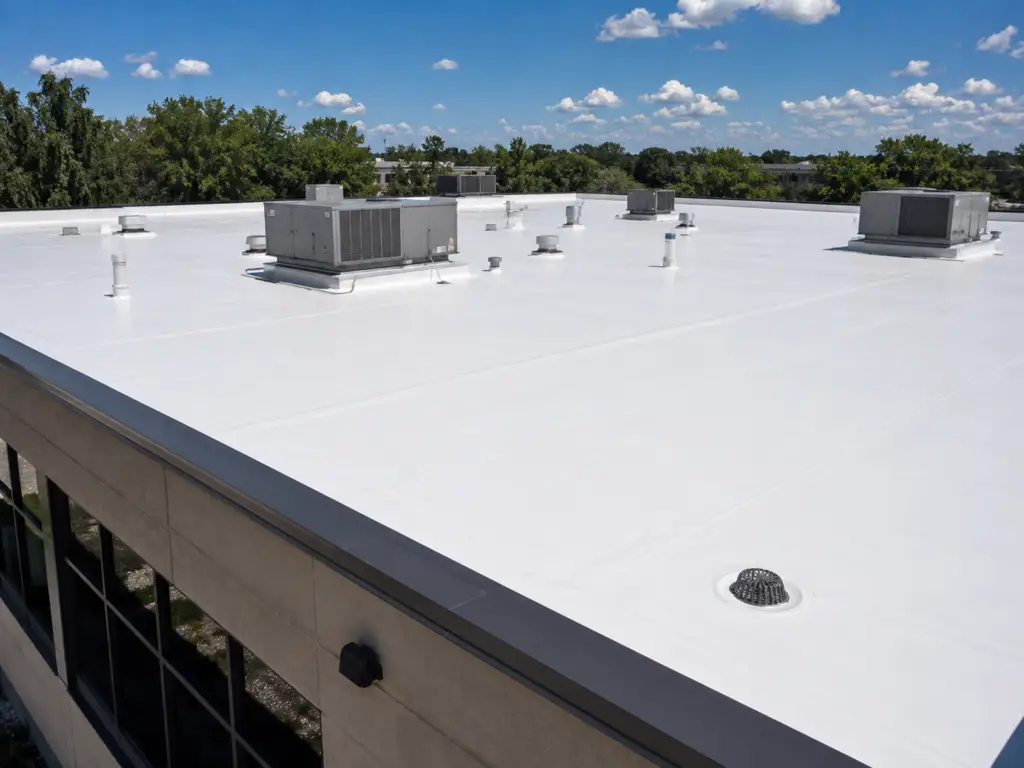
TPO can be considered for suitable low-slope commercial roofs and some residential applications. The roof should be evaluated for drainage, structural condition, existing moisture, wind exposure, and local requirements. A new membrane does not by itself correct a sagging deck, blocked drain, or inadequate slope.
For a replacement project, ask how the contractor will identify wet insulation and damaged decking. A recover over an existing roof is a different scope from a complete tear-off and requires its own evaluation; it should not be assumed suitable from a photograph alone.
Reflective roofing: benefits and limits
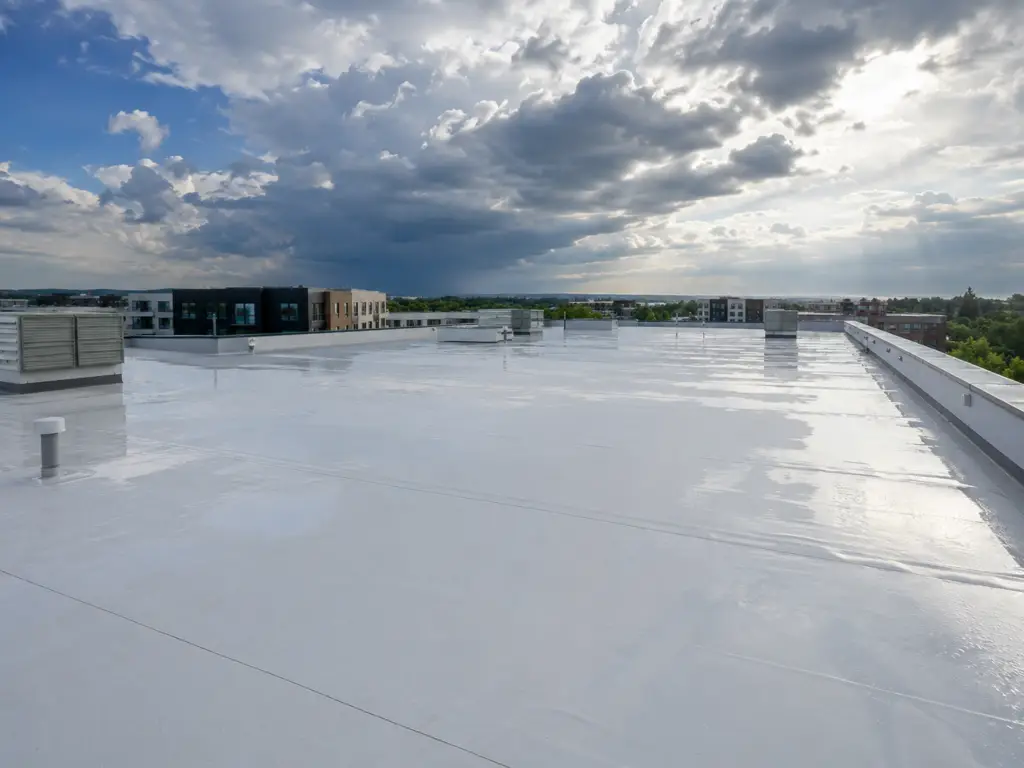
Light-colored membranes can reflect more sunlight than dark surfaces. The effect on a building’s energy use depends on climate, insulation, roof condition, and heating and cooling needs. Reflectivity does not guarantee a particular bill reduction.
Do not rely on a current “ENERGY STAR-rated roof” sales claim: ENERGY STAR ended its roof-products specification on June 1, 2022. Ask for the exact product’s current technical data and any reflectance rating required for your project.
Compare TPO with the actual alternatives
TPO, PVC, EPDM, and other low-slope systems have different installation details and service requirements. No material is automatically the least expensive or best for every building. Compare complete proposals that cover the same roof area, insulation, drainage work, edge details, and disposal.
- How will the membrane be attached, and why is that method appropriate?
- What insulation, cover board, and vapor-control measures are included?
- How are drains, scuppers, walls, skylights, and equipment curbs detailed?
- How will roof traffic and maintenance access be protected?
- What is excluded, and how will concealed damage be priced?
Maintenance still matters
Arrange inspections at intervals appropriate to the installed system and after severe weather or rooftop work. Keep drainage paths clear and report punctures, displaced flashing, loose edge metal, or interior leaks promptly. Limit roof access to qualified people with appropriate fall protection.
Use repair materials and methods approved for the installed membrane. A general-purpose coating or caulk may not be compatible. Ask your contractor to document the product and repair details so future maintenance teams can identify the roof correctly.
Review warranty and disposal claims
Request the proposed manufacturer and workmanship terms in writing, including eligibility, exclusions, inspections, maintenance duties, and claim procedures. A warranty is not a promise that damage or leaks can never occur.
Recycling depends on the product, its condition, and an available collection or processing program. Ask who will handle removed materials and where they will go instead of assuming every old TPO roof will be recycled.
Discuss your low-slope roof
USA Storm Roofing & Construction Group can discuss roof condition, options, and a written scope for properties in our service areas. Learn about our roofing services or request an assessment. Share the building type, leak history, existing roof records, and any access constraints.