
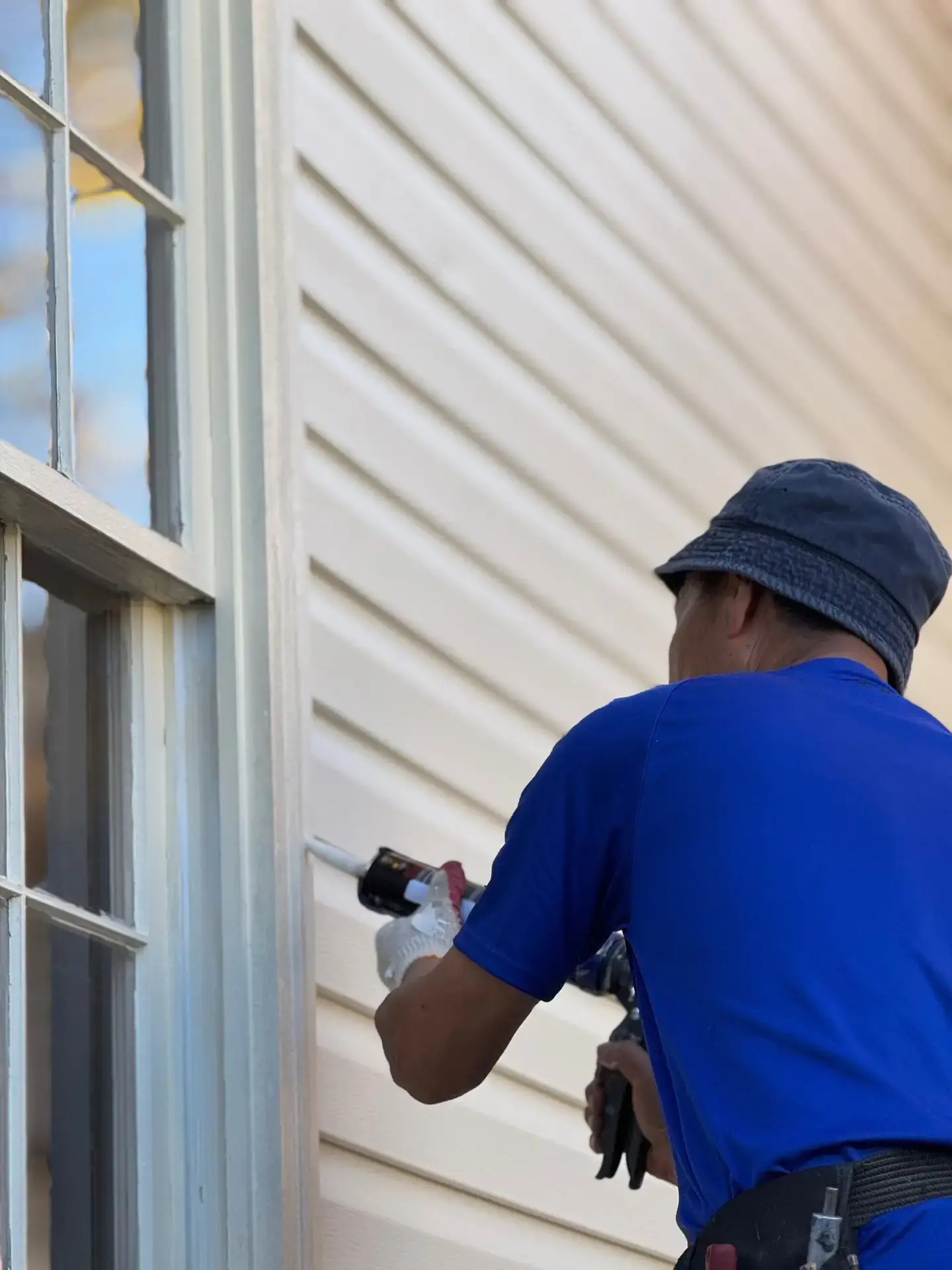
Cracked, loose, or stained siding needs a diagnosis before a repair decision. The visible panel may be the only problem, or it may be a clue to moisture, flashing, fastening, or movement behind the exterior. Start with the siding material and the pattern of damage.
Cracks and impact damage
A localized crack can follow an impact or a storm, but its appearance alone does not establish the cause. Photograph the affected area from the ground and note whether similar damage appears elsewhere. An inspection should consider adjacent panels, trim, and the wall behind the damaged area where accessible.
A matching replacement panel may be possible when damage is limited and the rest of the siding is sound. Product availability and weathering can affect color matching; discuss the expected appearance before approving a small repair.
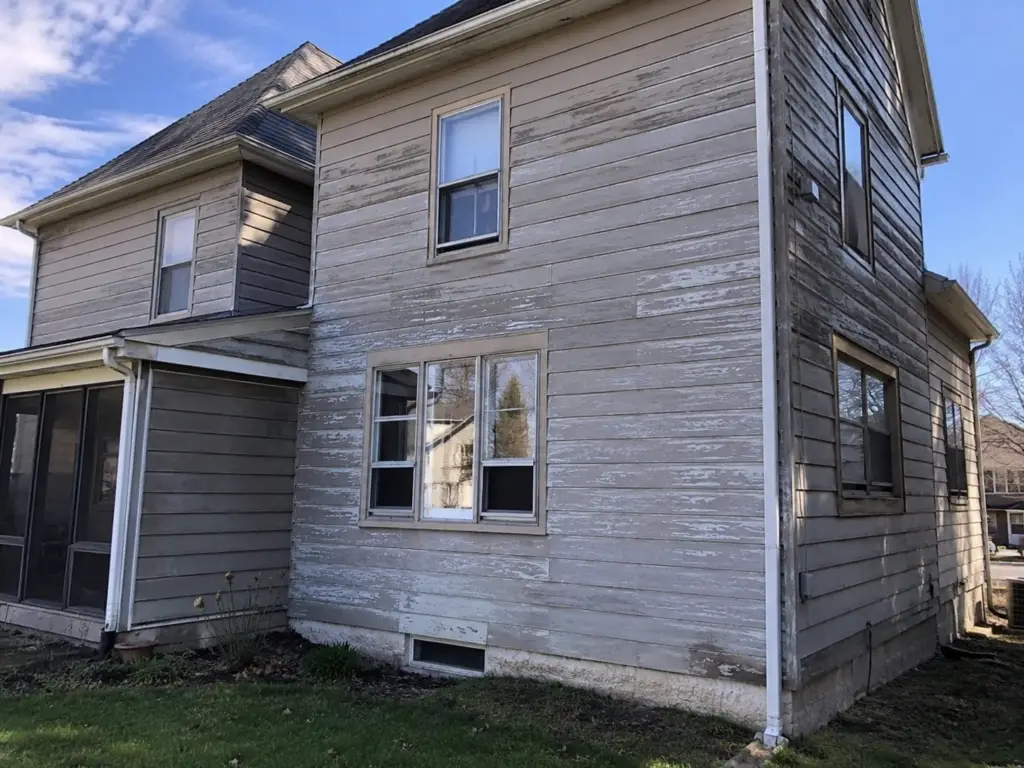
Warping, buckling, or loose panels
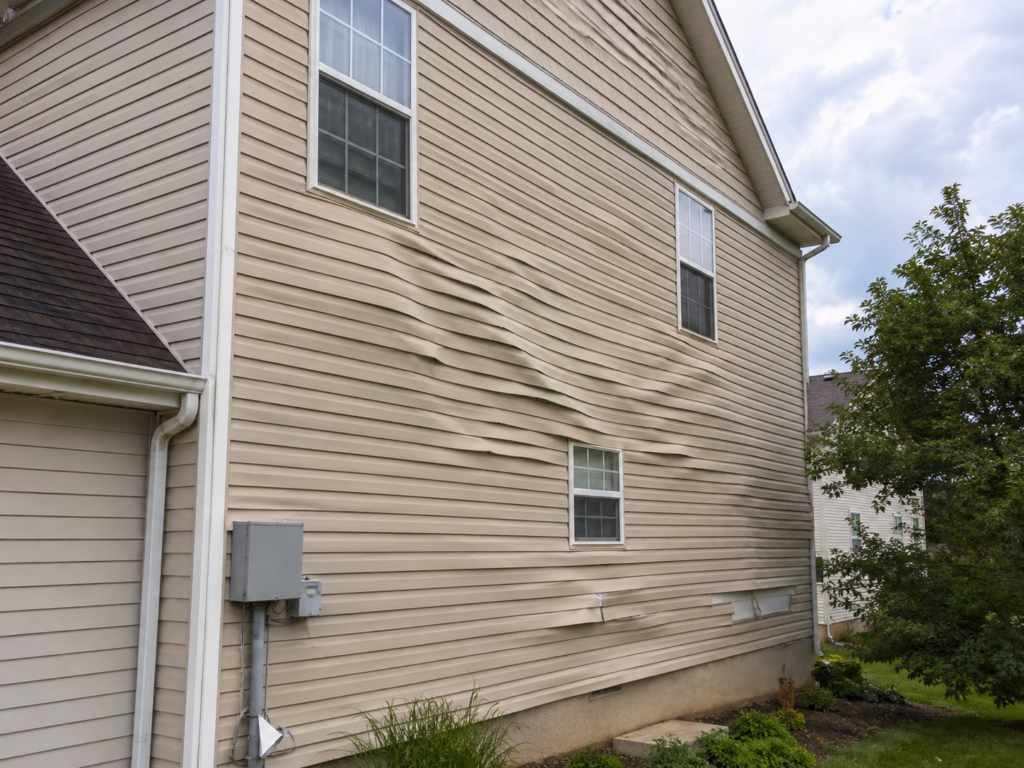
Distortion may involve fastening, heat exposure, movement, or a problem with the underlying surface. Vinyl siding needs to move as temperatures change. Tightening every fastener or adding sealant without checking the installation can make a movement problem worse.
Ask the contractor to identify the likely cause and explain how the repair addresses it. If panels are loose after a storm, keep people away from falling material and arrange an inspection rather than climbing to reattach them.
Stains and moisture near windows or doors
Repeated staining, soft trim, peeling finishes, or damp interior walls can signal a water-management problem. Window and door flashing, roof-to-wall transitions, gutters, and penetrations should be considered. New siding alone will not repair a leak at an adjacent opening.
Some conditions remain concealed until materials are removed. The proposal should explain how hidden damage will be photographed, discussed, and priced before extra work proceeds.
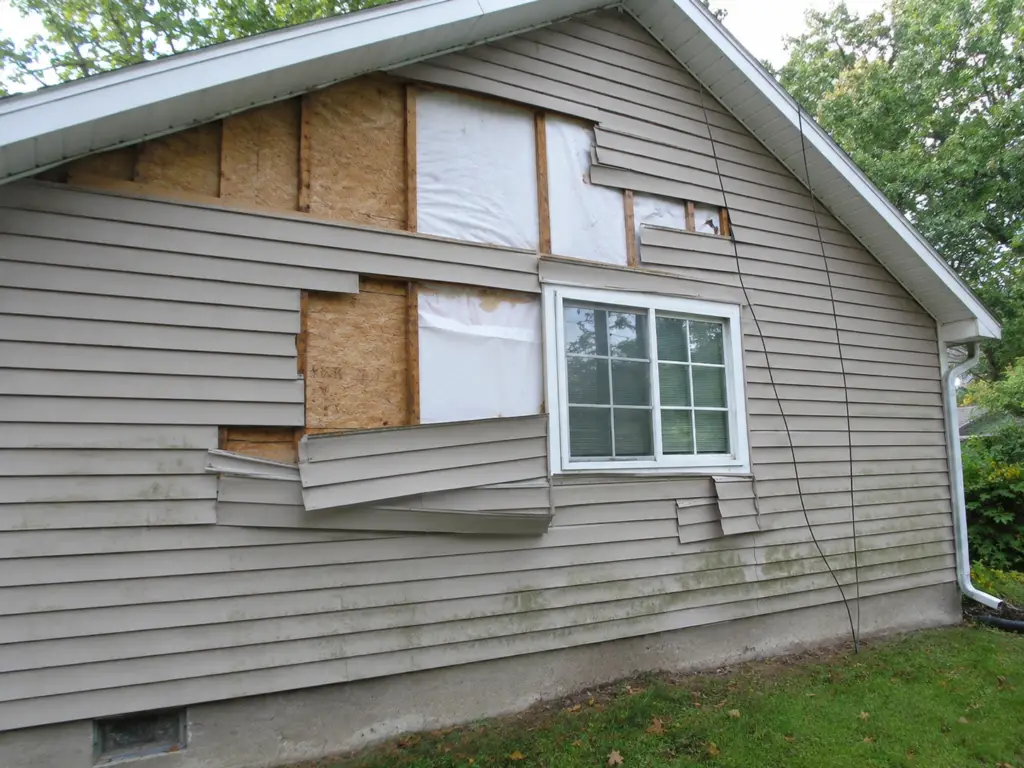
Surface dirt, algae, or mildew-like growth
Identify the material and follow its manufacturer’s cleaning guidance. CertainTeed’s maintenance guidance recommends gentle cleaning for vinyl or polymer siding and warns that high-pressure washing can damage siding or push water behind it.
For fiber-cement products, use the relevant product instructions; James Hardie’s cleaning guidance discusses suitable tools and precautions. Do not assume one chemical or pressure setting is appropriate for every exterior surface.
Fading and finish concerns
Fading can be cosmetic, while peeling or recurring discoloration may need closer investigation. Compare the affected elevations and exposure to sunlight. Ask whether cleaning, a manufacturer-approved finish treatment, panel repair, or replacement is suitable.
Before painting vinyl or another factory-finished product, confirm compatible coatings, color restrictions, preparation, and warranty implications with the manufacturer. A darker new finish can change how much heat a surface absorbs.
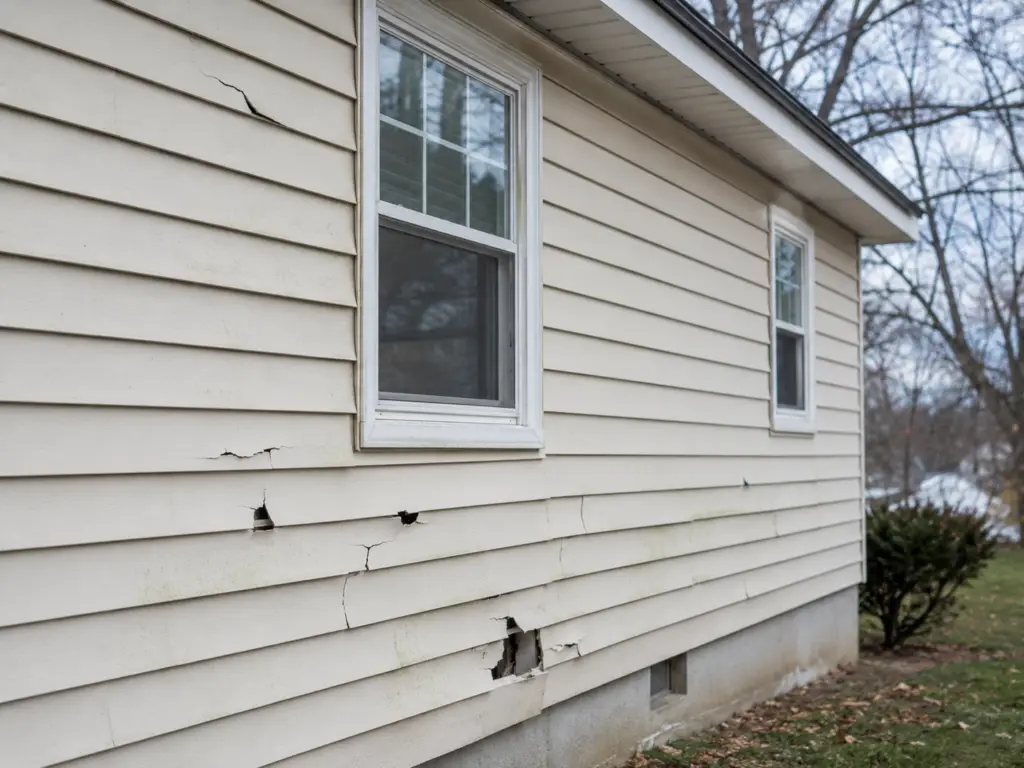
Drafts and higher energy bills
Drafts may involve gaps around openings, insulation, and the wall’s air barrier. A higher bill alone does not prove that siding needs replacement. Consider weather, equipment use, windows, and air leakage when investigating comfort problems.
If a siding project includes energy improvements, specify the insulation and air-sealing work separately. Ask which existing conditions will be corrected and what evidence supports the recommendation.
Repair or replacement: questions to ask
- Is damage localized or widespread?
- Can the original product be identified and matched?
- Is there evidence of moisture behind the siding?
- Which flashing, trim, or drainage details need attention?
- What hidden conditions could change the scope?
- What manufacturer and workmanship terms apply?
A useful inspection separates observations from assumptions and explains the alternatives. Keep photos, product records, and the written estimate so you can compare proposals for the same work.
Arrange a siding assessment
USA Storm Roofing & Construction Group provides siding services in our listed service areas. Contact us with the type of siding, symptoms, timing, and safe photos to discuss an inspection and repair or replacement options.