
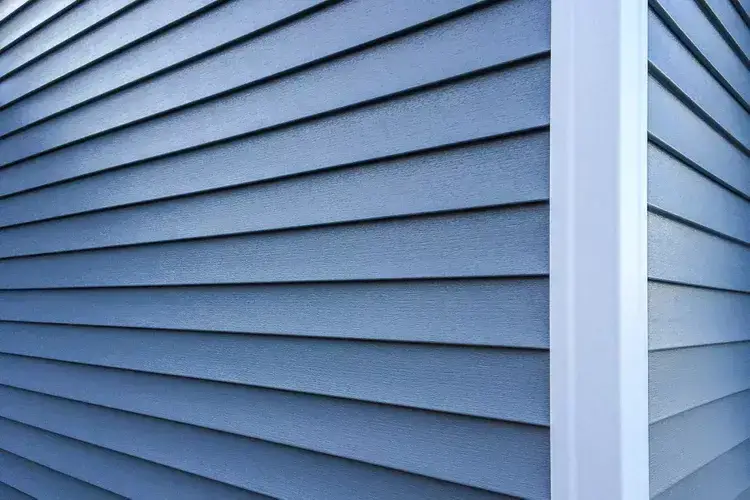
Vinyl siding does not need replacement just because it is old or faded. The better question is whether the existing siding can still manage weather and be repaired reliably. These seven signs help you prepare for an inspection; none establishes the full scope from appearance alone.
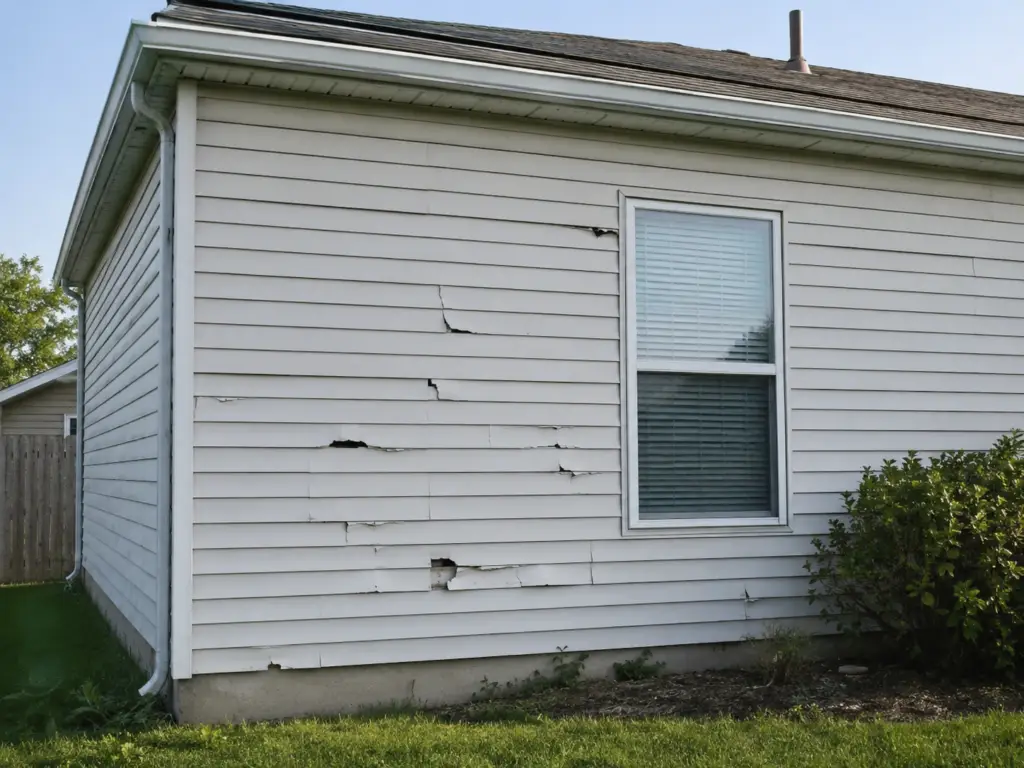
1. Cracks or holes in several areas
A single damaged panel may be repairable. Repeated cracking or damage across several walls can make broader replacement worth discussing. Ask whether matching panels are available and whether nearby pieces can be removed without damaging brittle material.
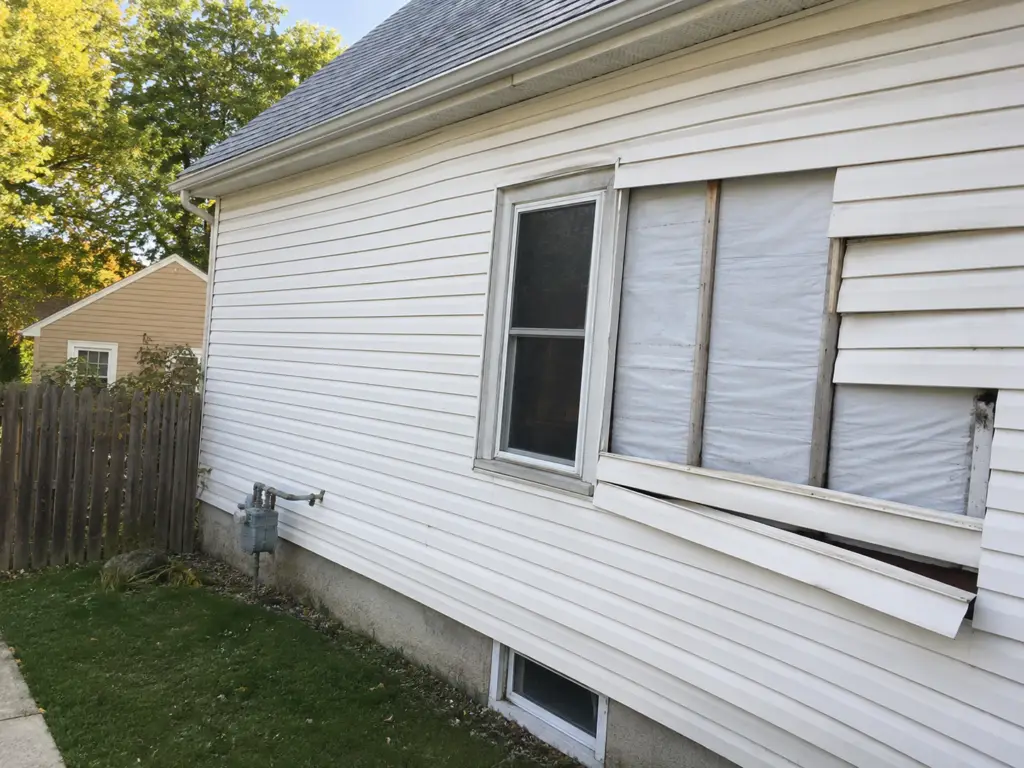
2. Panels that keep coming loose
Recurring loose panels may point to fastening, locking, installation, or underlying wall problems. Reattaching the same piece repeatedly may not solve the cause. Have the attachment and surrounding material evaluated, especially after high winds.
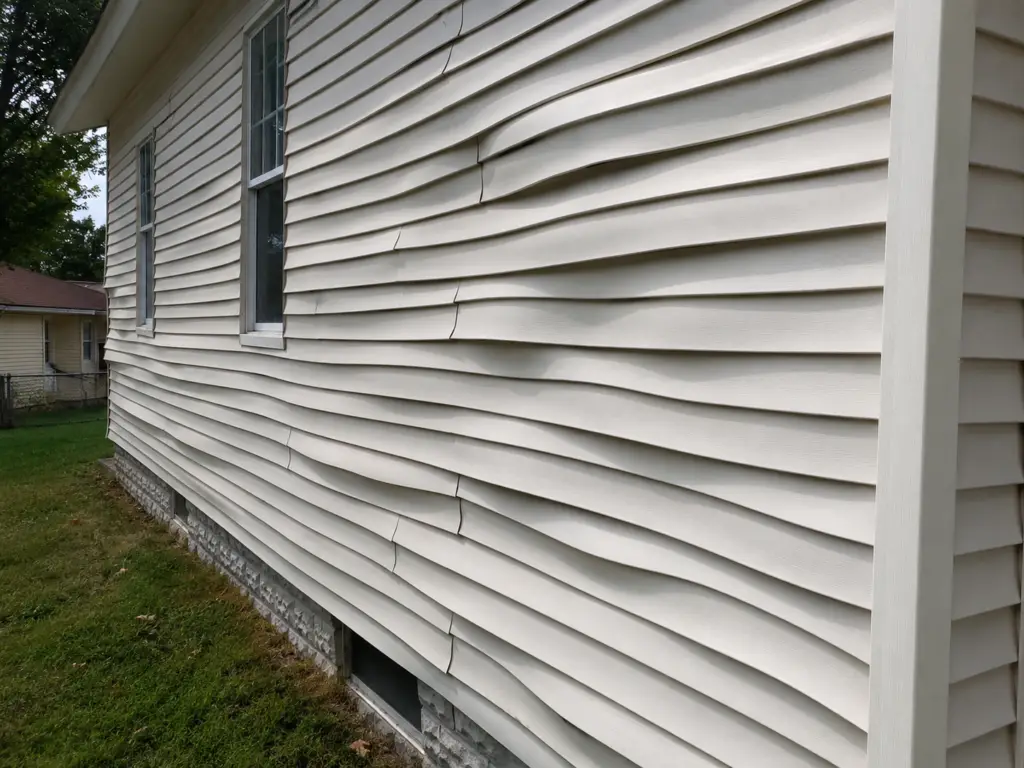
3. Widespread warping or buckling
Vinyl moves with temperature changes. Distortion may involve installation, heat exposure, or an uneven surface behind the siding. Ask why the panels changed shape and whether the proposed work corrects that condition. Replacing panels with the same installation problem can produce the same result.
4. Moisture damage around openings
Soft trim, interior dampness, recurring staining, or deterioration near windows and doors can require work beyond the siding. Flashing, roof-to-wall transitions, gutters, and the wall’s drainage layer should be considered.
The condition of concealed sheathing may not be known until the siding is opened. Agree on a process for documenting hidden damage and approving any added cost before work begins.
5. Repairs can no longer be matched or completed reliably
Discontinued profiles, extensive weathering, or brittle panels can limit a small repair. Discuss the visual difference between old and new material. In some cases, repairing one wall or elevation may be an option between replacing a single panel and replacing the entire exterior.
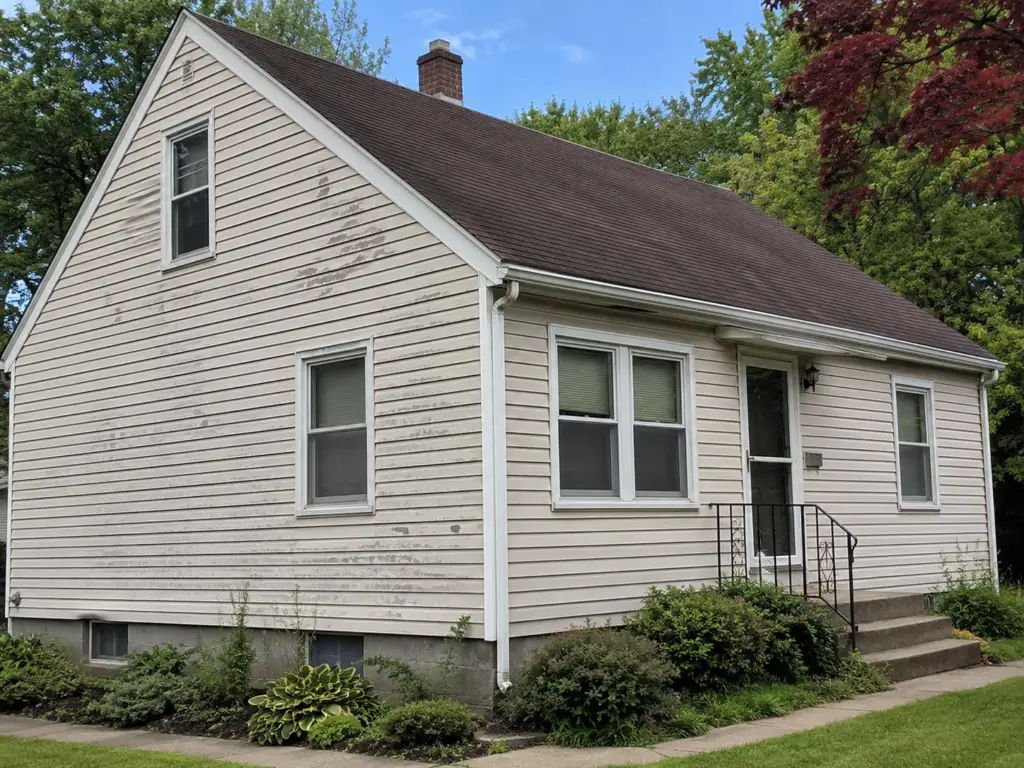
6. Finish concerns that maintenance cannot resolve
Fading or dirt can be cosmetic. Start with cleaning appropriate to the specific product rather than assuming every stain needs replacement. CertainTeed’s care guidance recommends gentle cleaning and cautions against high-pressure washing that can damage siding or force water behind it.
Before painting, check the manufacturer’s compatible coatings, color limits, and warranty terms. Painting over deterioration or an unresolved moisture problem can conceal it without correcting it.
7. A larger exterior project makes replacement practical
Window, door, trim, or insulation work may create an opportunity to address the exterior as a system. It can be useful to coordinate flashing and wall details while areas are open. Ask which work is necessary now and which is an optional improvement.
Higher heating or cooling bills alone do not prove a siding problem. An energy assessment can help distinguish insulation, air leakage, equipment, and window issues before you invest in a larger replacement.
Compare a repair proposal with a replacement proposal
- Identify the siding product, profile, color, and covered wall areas.
- Specify removal and disposal, housewrap or other drainage-layer work, flashing, trim, and accessories.
- List any insulation or air-sealing work separately.
- Explain how concealed rot or other damage will be handled.
- Confirm permit or association requirements and who is responsible for them.
- Include manufacturer and workmanship warranty terms, exclusions, and maintenance duties.
Compare the same scope across estimates. A replacement quote that omits flashing or deteriorated trim may not solve the problem that led you to seek help.
Prepare for an inspection
Record where damage appears and whether it followed a storm, nearby heat source, or previous repair. Take photos from the ground and avoid pulling loose panels or using ladders to investigate unsafe areas. Keep old invoices or product labels if available.
USA Storm Roofing & Construction Group offers siding repair and replacement services in our service areas. Request an assessment to discuss the condition, practical alternatives, and a written scope.