Introduction
Attic moisture roof problems can start quietly before homeowners notice stains or leaks downstairs. A damp attic may point to roof leaks, poor ventilation, blocked vents, or trapped humidity. However, the cause is not always easy to see.
Homeowners in Virginia, Washington DC, and Maryland face rain, humidity, heat, wind, and seasonal storms. Because of that, attic moisture should not be ignored.
In this guide, you will learn what attic moisture means. You will also learn warning signs, causes, repair options, and when to contact USA Storm Roofing and Construction Group.
Why Attic Moisture Roof Problems Matter
Attic moisture roof problems matter because your attic sits directly below your roof. When moisture builds there, it can affect insulation, decking, rafters, ceilings, and indoor comfort.
Roof decking is the wood surface below shingles. Rafters are the support pieces inside the roof structure.
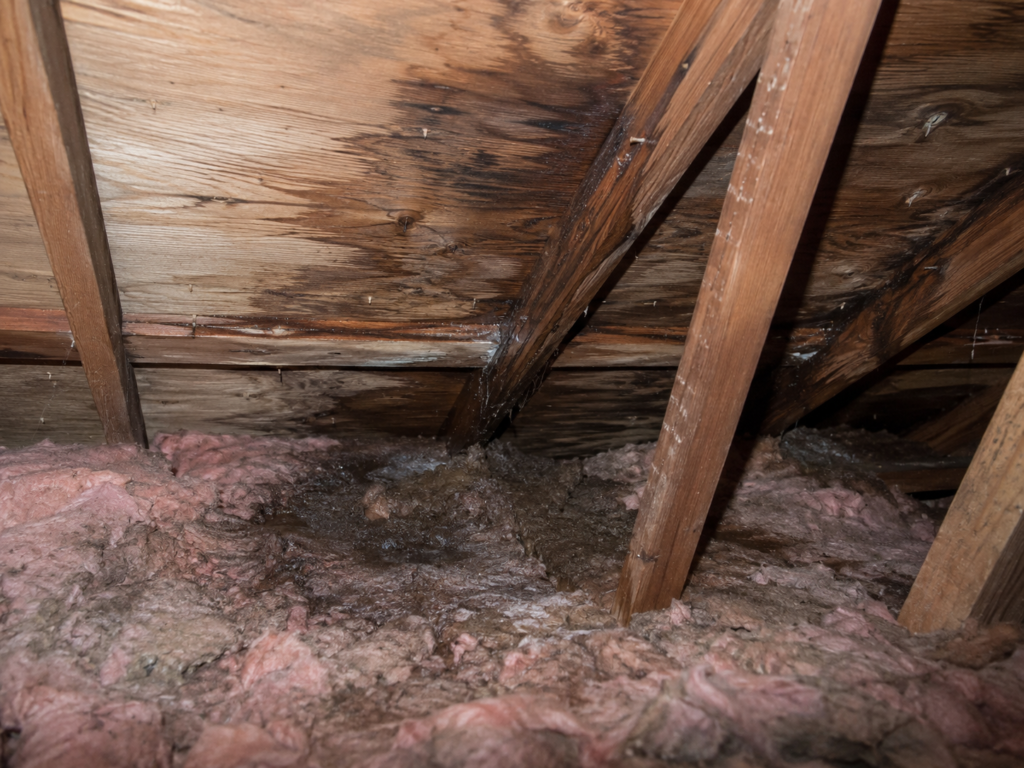
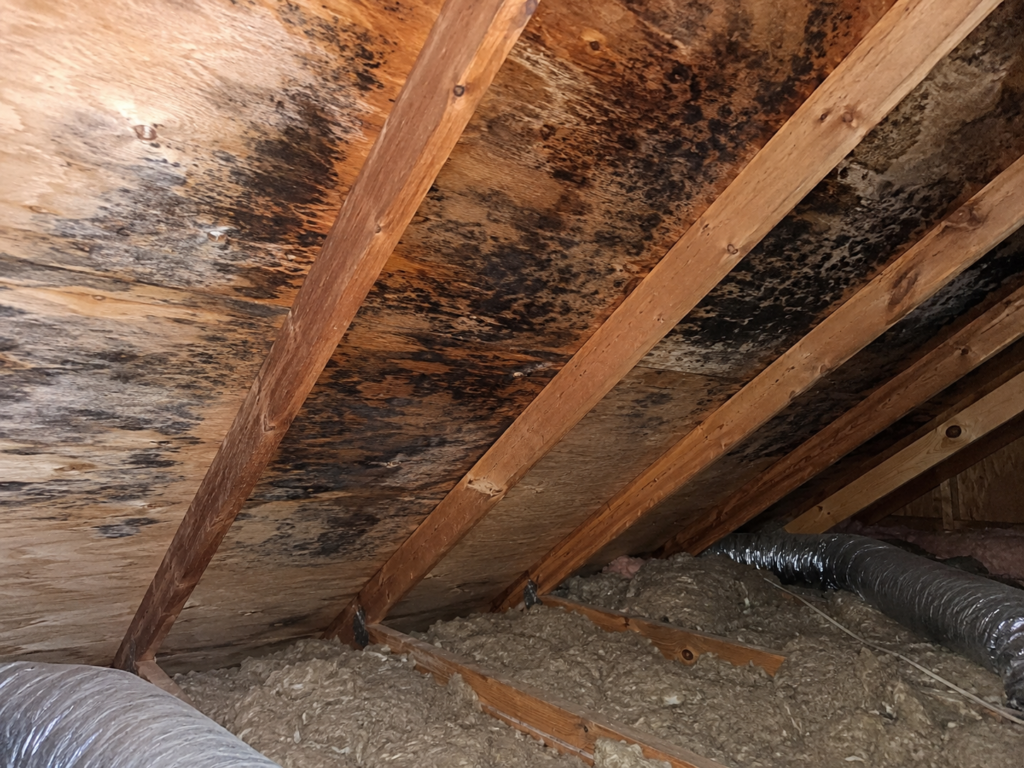
If moisture stays trapped, wood may darken, insulation may get damp, and stains may appear inside. As a result, a small roof issue can become harder to manage.
Therefore, homeowners should check attic moisture before visible damage spreads.

What Attic Moisture Means For Homeowners
Attic moisture means water, humidity, or condensation is collecting where it should not stay. Sometimes, it comes from a roof leak. Other times, it comes from poor airflow.
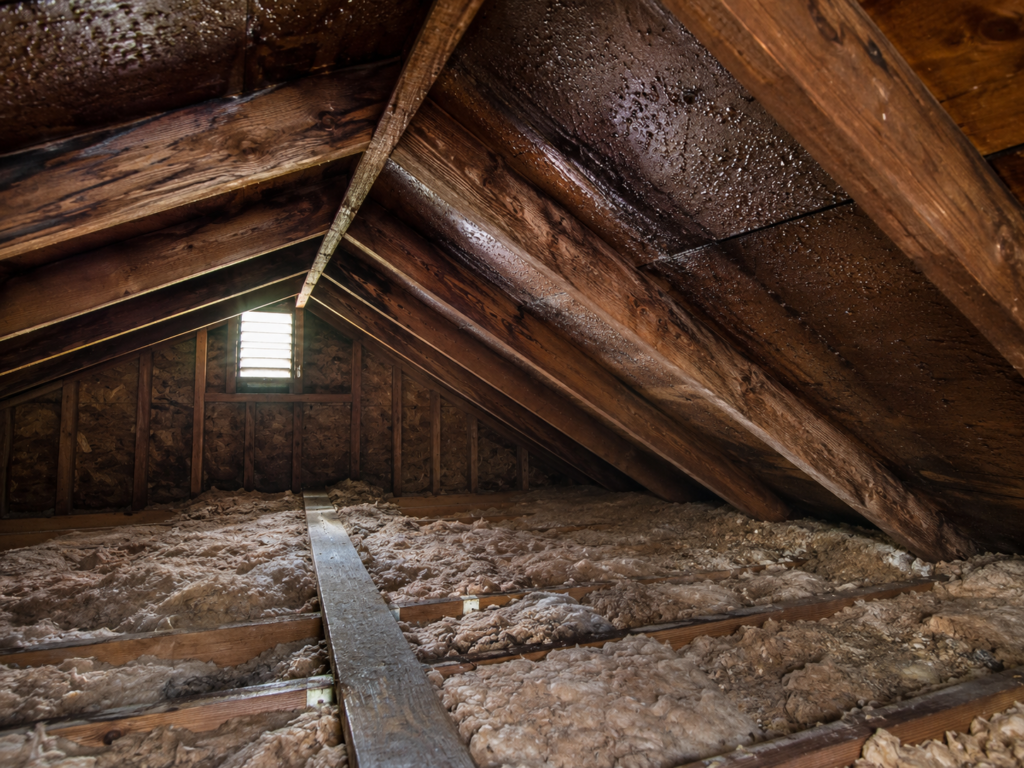
Condensation happens when warm, moist air touches a colder surface. This can create damp spots that may look like a roof leak.
However, roof leaks can also create attic moisture. Missing shingles, damaged flashing, or worn vents may let rain enter.
Because the causes can overlap, a professional inspection can help confirm the real source.
Common Attic Moisture Roof Problems To Watch For
Attic moisture roof problems can appear inside the attic or living space. Homeowners should check only if attic access is safe.
Common warning signs include:
- Damp attic insulation
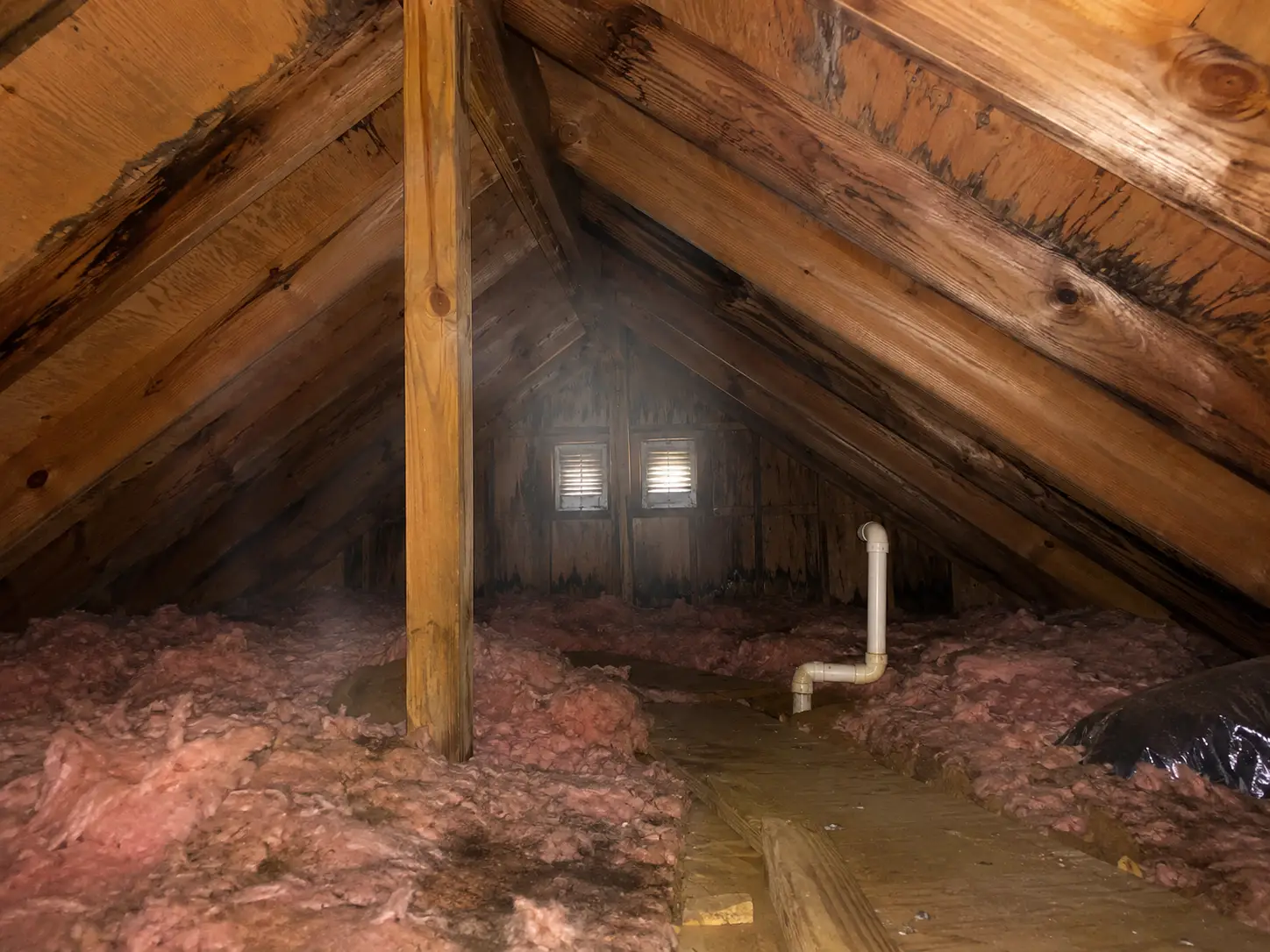
- Dark roof decking
- Musty attic smells
- Water stains on ceilings
- Mold-like spots on wood
- Rust on attic nails
- Peeling paint near ceilings
- Dripping after heavy rain
- Wet areas near vents
- Ice dam signs in winter
If you notice these signs, take photos when safe. After that, schedule a professional roof inspection.
Attic Moisture Roof Problems Inside The Home
Attic moisture roof problems may show as stains, odors, or soft ceiling areas. Look at upper rooms, closets, and ceiling corners after rain.
Also, check for peeling paint near outside walls. That can point to trapped moisture above the ceiling.
If water appears near lights or outlets, avoid the area. Then, call a qualified professional.
Therefore, interior signs should be reviewed before they spread.
Attic Moisture Roof Problems Near Roof Vents
Attic moisture roof problems can also appear near roof vents. Vents help move attic air, but damaged vents can leak.
Look for damp insulation near vents, rust marks, or water trails on wood. Also, check after wind-driven rain.
A roof vent is an opening that helps attic air move. However, it still needs proper sealing around it.
If a vent seal fails, water may enter during storms.
Main Causes Of Attic Moisture
Attic moisture can come from inside or outside the home. Some causes involve the roof. Others involve ventilation or indoor humidity.
Common causes include:
- Roof leaks
- Damaged flashing
- Cracked pipe boots
- Missing shingles
- Poor attic ventilation
- Blocked soffit vents
- Bathroom fans venting into attic
- Damp insulation
- Ice dams
- Storm damage
Soffit vents sit under the roof overhang. They help bring air into the attic.
In addition, ridge vents near the roof peak help air leave. When airflow is blocked, moisture may stay trapped.
Why Ventilation And Roof Condition Work Together
Attic ventilation and roof condition both matter. A roof can leak from outside, while poor airflow traps moisture inside.
For example, damaged shingles may let rain enter. Meanwhile, blocked vents may keep attic air damp longer.
Also, bathroom or dryer vents should not exhaust moist air into the attic. That can add humidity where it does not belong.
For added guidance, review this ENERGY STAR attic ventilation guidance. It explains how attic airflow helps remove moisture.
Why Acting Quickly Matters
Attic moisture can spread before homeowners notice major damage. A small damp area may later affect insulation or ceiling materials.
Fast action helps protect roof decking, attic insulation, and interior rooms. It also helps keep storm records clear.
Acting quickly may help you:
- Reduce water entry
- Protect attic insulation
- Limit ceiling stains
- Improve moisture awareness
- Document storm concerns
- Understand repair options
- Prepare for insurance questions
However, no contractor can guarantee insurance approval. Your insurance company decides coverage based on your policy.

Attic Moisture Roof Problems: Repair Or Replacement?
Attic moisture roof problems may point to repair or a larger roof review. The right option depends on the source and damage size.
A repair may work when one vent, flashing area, or shingle section is leaking. However, replacement may need review when wider roof wear appears.
A professional inspection should check the attic and roof together. That way, the repair plan can address the real cause.
When Roof Repair May Be Enough
Roof repair may be enough when the moisture source is limited. The nearby roof deck should also look stable.
Repair may be considered when:
- One roof area leaks
- One vent seal fails
- Flashing damage is limited
- Shingles still lay flat
- Decking looks firm
- Interior damage is small
However, repair must solve the water source. Painting over stains will not fix roof or ventilation issues.
When A Larger Roof Review May Be Needed
A larger roof review may be needed when moisture appears in several attic areas. It may also be needed when leaks keep returning.
A deeper review may be discussed when:
- Many roof areas leak
- Decking feels soft
- Insulation stays damp
- Shingles are missing
- Ventilation is poor
- Repairs have failed before
A professional inspection can explain the condition clearly. After that, homeowners can choose the next step.
Storm Damage And Insurance Claim Guidance
Storms can create attic moisture by damaging shingles, flashing, vents, or roof edges. Heavy rain may also reveal hidden leaks.
If attic moisture appears after a storm, document everything from safe areas. Also, write down the storm date and visible damage.
A homeowners insurance claim depends on your policy and damage cause. Your insurer decides what is covered.
Therefore, keep clear records before insurance conversations. Also, ask your insurer about deductibles, coverage, and claim steps.
Attic Moisture Roof Problems Documentation Checklist
Attic moisture roof problems documentation helps homeowners stay organized. Keep one simple folder for roof and attic records.
Include:
- Photos of damp insulation
- Photos of ceiling stains
- Photos of dark attic wood
- Photos of roof damage
- Photos near vents
- Storm date and weather notes
- Roof inspection report
- Written repair estimate
- Insurance claim notes
Also, avoid removing damaged materials too early. First, take photos and ask your insurer what they need.
How To Check Your Attic Safely
Start by checking only if attic access is safe. Avoid walking on ceiling drywall or weak attic areas.
Use a flashlight and look from a stable access point. Also, avoid wet electrical areas, wires, and active leaks.
Check these areas carefully:
- Attic insulation
- Roof decking
- Areas near vents
- Areas near chimneys
- Ceiling corners
- Roof edges
- Bathroom fan outlets
- Rooms after heavy rain
In addition, check after storms. Some moisture signs only appear during heavy rain or thaw cycles.
Common Mistakes To Avoid
Homeowners often treat attic moisture as a minor smell or stain. However, the source may involve roof damage.
Avoid these mistakes:
- Ignoring musty attic odors
- Touching mold-like growth
- Walking on unsafe attic areas
- Blocking attic vents with insulation
- Venting bathroom fans into attic
- Painting over ceiling stains
- Waiting through repeated storms
- Filing a claim without photos
Also, avoid guessing the leak source. Water can travel before it becomes visible.
Why Choose USA Storm Roofing And Construction Group
USA Storm Roofing and Construction Group serves homeowners across the DMV area. The team understands attic leaks, roof moisture, ventilation concerns, and storm damage.
The company helps homeowners with clear inspections and simple explanations. It also helps document visible roof concerns for insurance conversations.
USA Storm Roofing and Construction Group can help with:
- Roof inspections
- Attic moisture reviews
- Leak diagnosis
- Roof vent checks
- Storm damage assessments
- Roof repair planning
- Free roofing estimates
The goal is simple. Help homeowners protect their homes before attic moisture spreads.
Local Attic Moisture Roof Problems Support In The DMV
USA Storm Roofing and Construction Group serves Maryland, Virginia, and Washington DC. Local experience matters because DMV humidity and storms affect roof systems.
For local coverage details, visit the attic moisture roof service areas. You can also read more attic moisture roof problems homeowner tips on the company blog.
Local search examples include:
- Roof inspection Virginia
- Roof inspection Washington DC
- Roof repair Maryland
- Storm damage repair Fairfax
- DMV roofing contractor
- Free roofing estimate near me
If you notice damp insulation, ceiling stains, or musty attic smells, schedule an inspection soon.

Attic Moisture FAQs For DMV Homeowners
What Are The First Attic Moisture Warning Signs?
Start by checking for damp insulation, musty smells, ceiling stains, and dark attic wood. Also, look after heavy rain. After that, take photos when safe.
Can Attic Moisture Mean A Roof Leak?
Yes, attic moisture can mean a roof leak. However, it can also come from poor ventilation. Therefore, inspection matters.
Can Poor Ventilation Damage My Roof?
Yes, poor ventilation can trap heat and moisture in the attic. As a result, roof materials may age faster. Early review can help.
Should I Enter My Attic During A Leak?
Only enter if it is safe. However, avoid wet wiring, weak areas, and active dripping. Instead, call a professional if conditions look unsafe.
Will Homeowners Insurance Cover Attic Moisture Damage?
Coverage depends on your policy and the damage cause. Therefore, your insurance company decides claim coverage. Also, ask your insurer about policy details.
Do You Serve Virginia, Washington DC, And Maryland?
Yes, USA Storm Roofing and Construction Group serves the DMV area. In addition, this includes Maryland, Virginia, and Washington DC homeowners.
Conclusion
Attic moisture can point to leaks, blocked airflow, damaged vents, or hidden roof problems. This attic moisture roof problems guide explains what to check, what causes moisture, and when repair may help. It also helps DMV homeowners document concerns before insurance conversations.
If you live in Maryland, Virginia, or Washington DC, contact USA Storm Roofing and Construction Group today. Request a free roof inspection, free roofing estimate, or storm damage assessment before attic moisture causes bigger roof concerns.