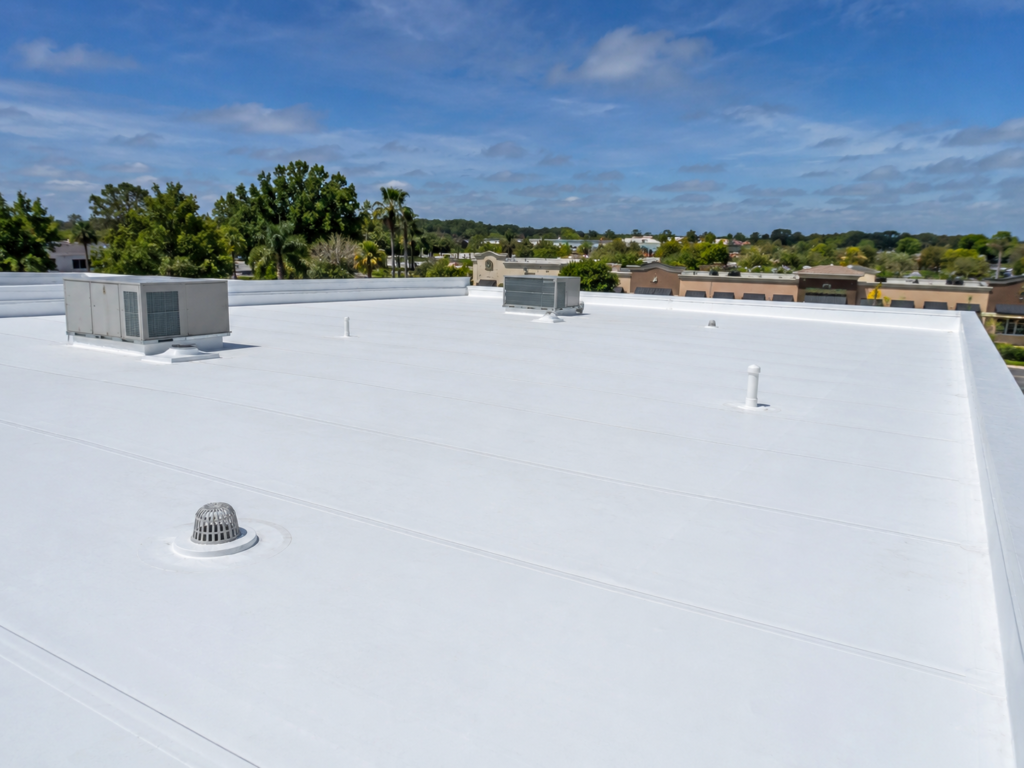
TPO, short for thermoplastic polyolefin, is a single-ply membrane used on low-slope roofs. Its potential benefits include a reflective surface, heat-welded seams, and several installation options. Those benefits depend on the complete roof assembly and the quality of the details around drains, edges, and equipment.
This guide explains what each benefit means in practice and what to check before choosing a system. For project planning, see our commercial TPO roofing guide.
1. A reflective surface can reduce summer heat gain
A light-colored TPO membrane can reflect more sunlight than a dark roof surface. That may reduce heat entering a building during cooling weather. Actual energy savings depend on insulation, climate, building use, HVAC equipment, and the existing roof. A reflective membrane does not replace insulation or air sealing.
Ask for the selected product’s reflectance and thermal-emittance data, including aged ratings when available. Compare the entire proposed assembly. Do not rely on a general promise that a new membrane will reduce a particular utility bill.
2. Welded seams can form durable connections
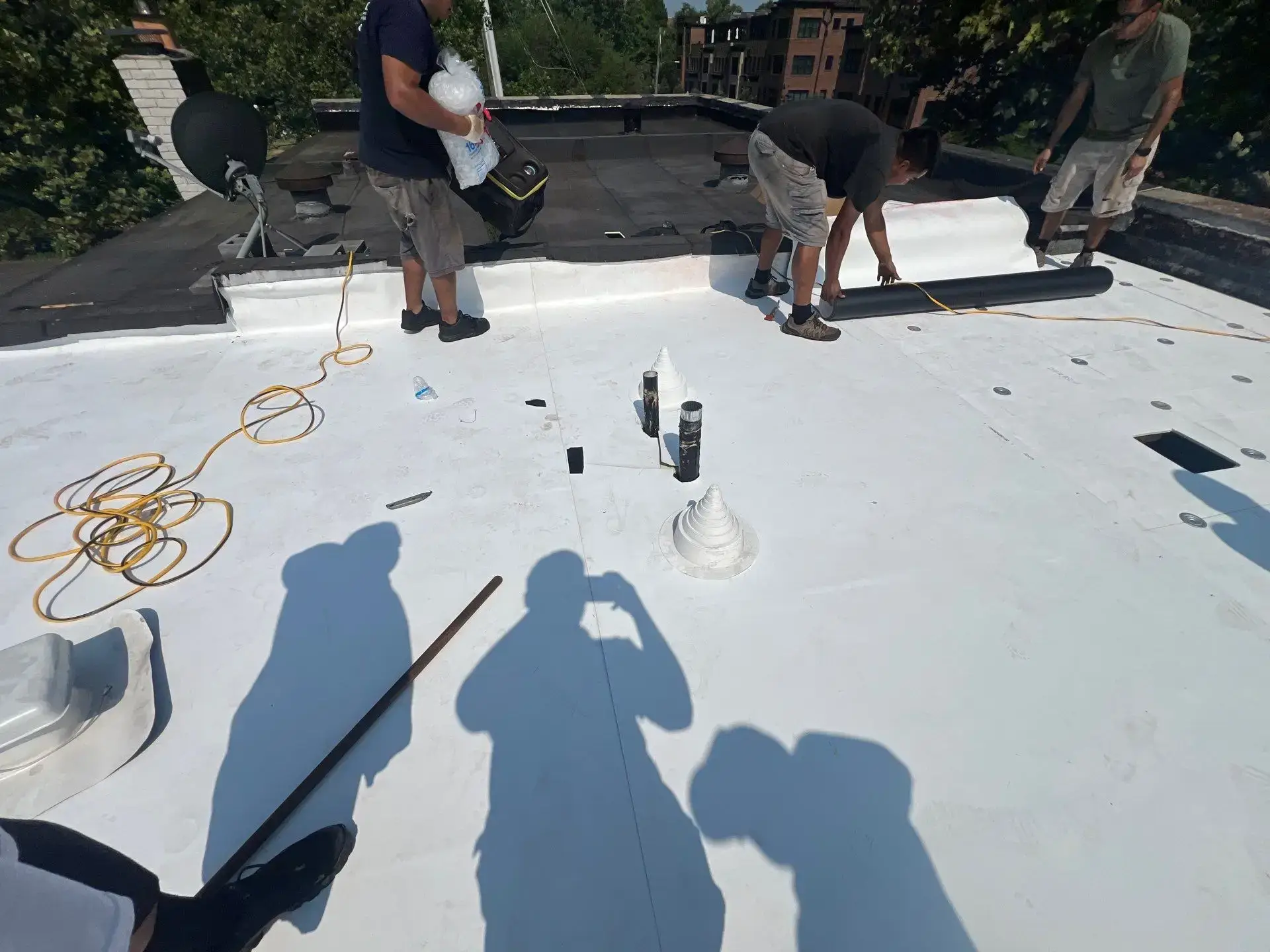
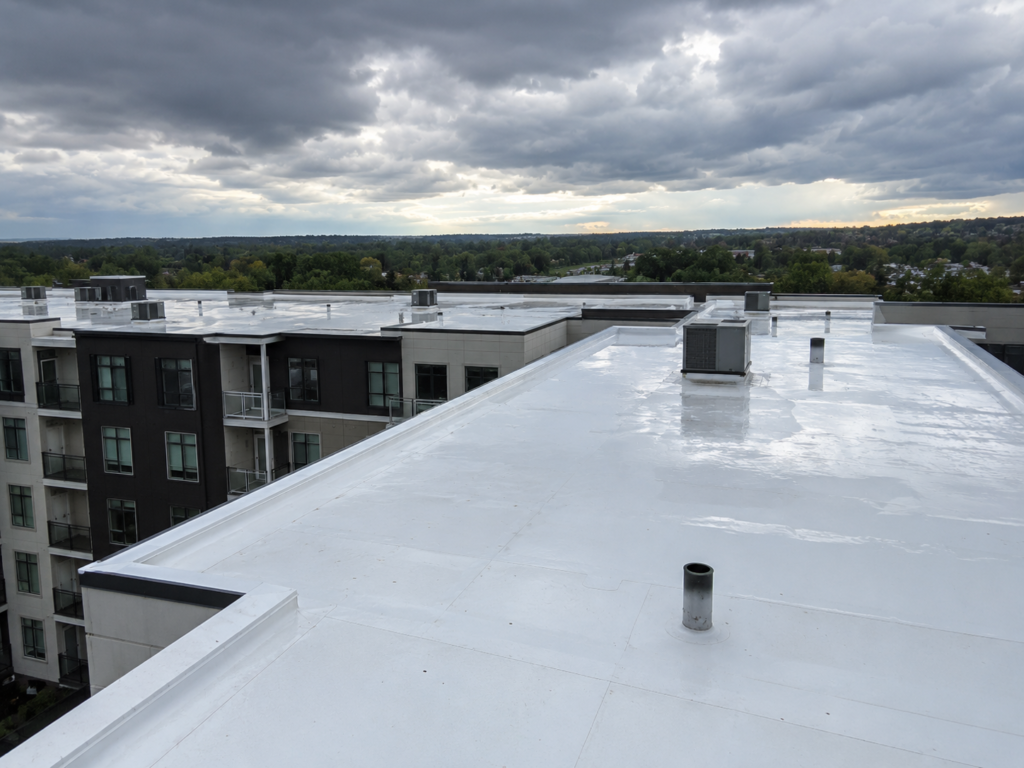
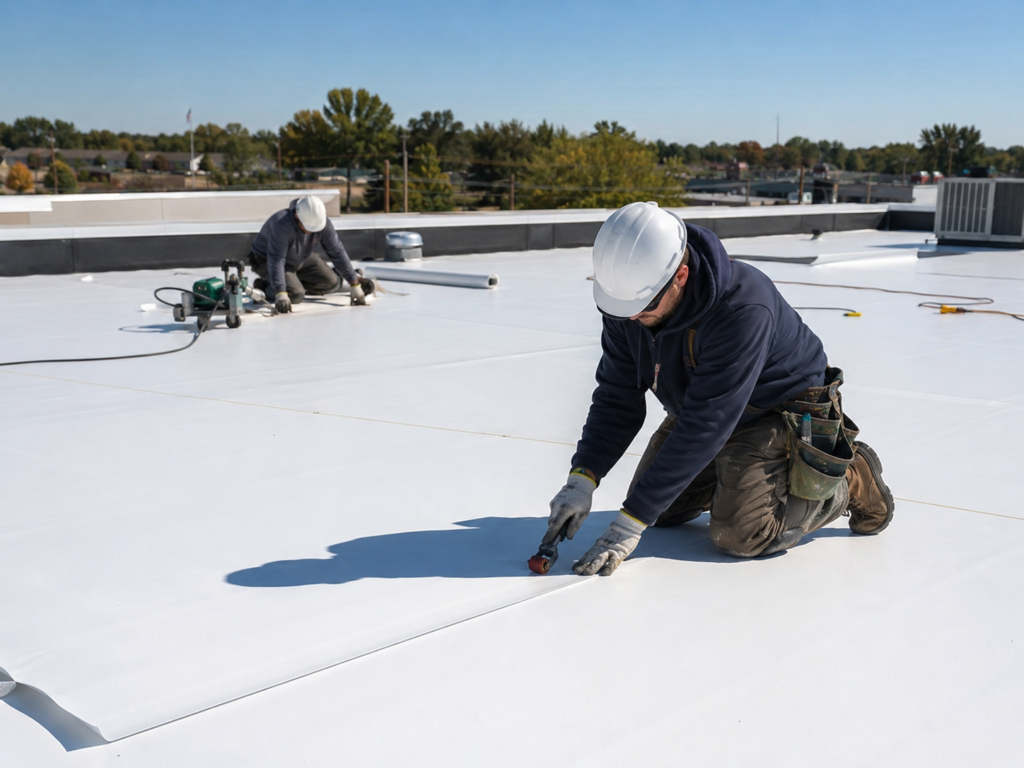
TPO sheets have overlapping seams that installers join with hot-air welding. The finished roof still has seams; it is not seamless. Correct temperature, equipment setup, clean surfaces, and field checks matter. Flashings around pipes, curbs, corners, and perimeter edges also need compatible details.
A useful proposal identifies the membrane manufacturer, thickness, attachment method, and flashing system. Ask how the crew will check welds and document completion. A thicker sheet alone cannot compensate for poor drainage or incorrect flashing.
3. Several attachment methods can suit different buildings
TPO systems may use mechanical attachment, adhesives, or other manufacturer-approved methods. The right choice depends on the deck, insulation, wind requirements, building height, and the existing assembly. A contractor should evaluate those conditions before recommending a system.
Roofing work may also affect occupants, rooftop equipment, and daily business operations. Discuss access, equipment coordination, material staging, and temporary weather protection. Installation duration depends on these conditions and the weather; membrane type alone does not determine the schedule.
4. Targeted repairs may be possible
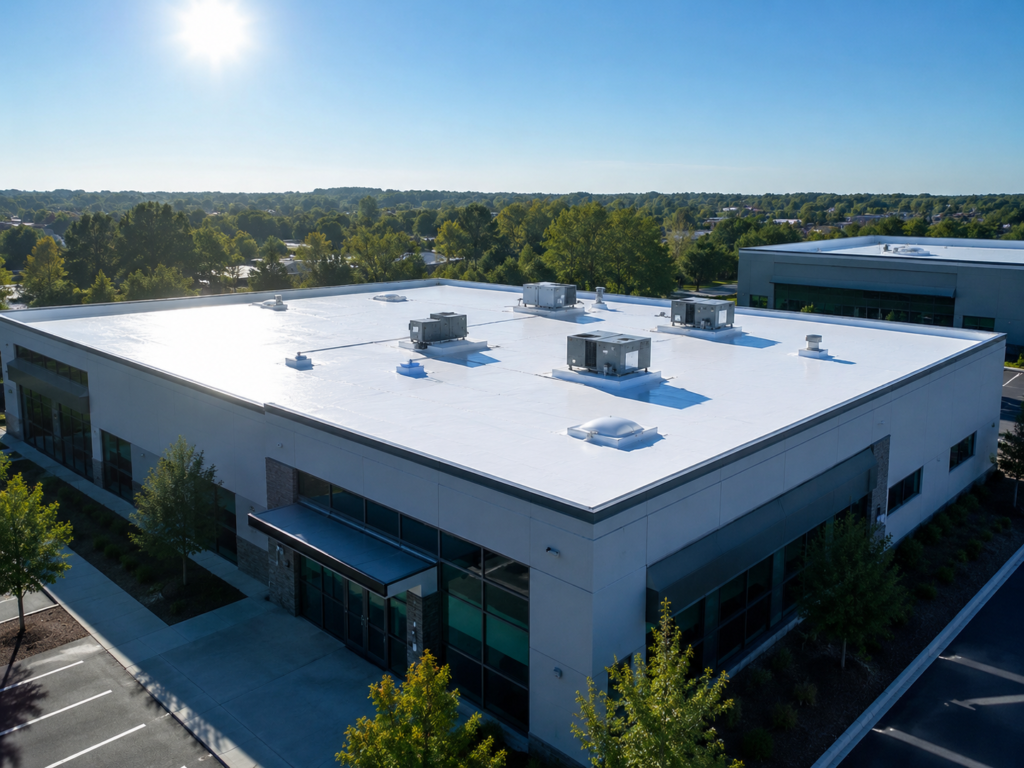
An isolated puncture or flashing defect may be repairable when the surrounding membrane and insulation remain sound. A roofer must determine the leak source, inspect the affected assembly, and use a compatible repair method. Recurring leaks, wet insulation, widespread deterioration, or drainage defects can require a broader scope.
Keep roof access controlled and use designated walkways where specified. Arrange inspections at the intervals required by the manufacturer and after damaging weather or rooftop work. Clear drains and debris safely. A TPO roof still needs maintenance.
5. Project value depends on more than material price
TPO can be a cost-effective option, but it is not always cheaper than PVC, EPDM, or another suitable system. Compare quotations that include the same work: tear-off or recover, wet-insulation removal, deck repairs, insulation, drainage, edges, penetrations, permits, disposal, and warranty requirements.
Ask how concealed damage will be priced and approved. Separate the manufacturer’s material or system warranty from the contractor’s workmanship warranty. Confirm exclusions, maintenance obligations, and who will respond if a problem occurs.
What about recycling and environmental claims?
Some manufacturers or collection programs can recycle certain TPO materials. That does not mean every removed roof will be accepted. Adhesives, attached materials, contamination, and local collection arrangements can affect disposal options.
If recycling is a project priority, ask which program will receive the material and whether that program accepts the proposed waste before including recycling in the scope. Broad claims such as “100% recyclable” do not establish what will happen to a particular roof.
Questions to ask before choosing TPO
- What condition are the deck, existing insulation, and drainage in?
- Why does this membrane and attachment method fit the building?
- How will penetrations, rooftop equipment, and perimeter edges be detailed?
- What inspections, maintenance, and warranty steps are required?
- What does the quote include, and what could change the final price?
Review GAF’s TPO membrane information for manufacturer-specific options. USA Storm Roofing & Construction Group can review your roof and prepare a written scope. Request a roofing consultation to compare repair and replacement options for your property.