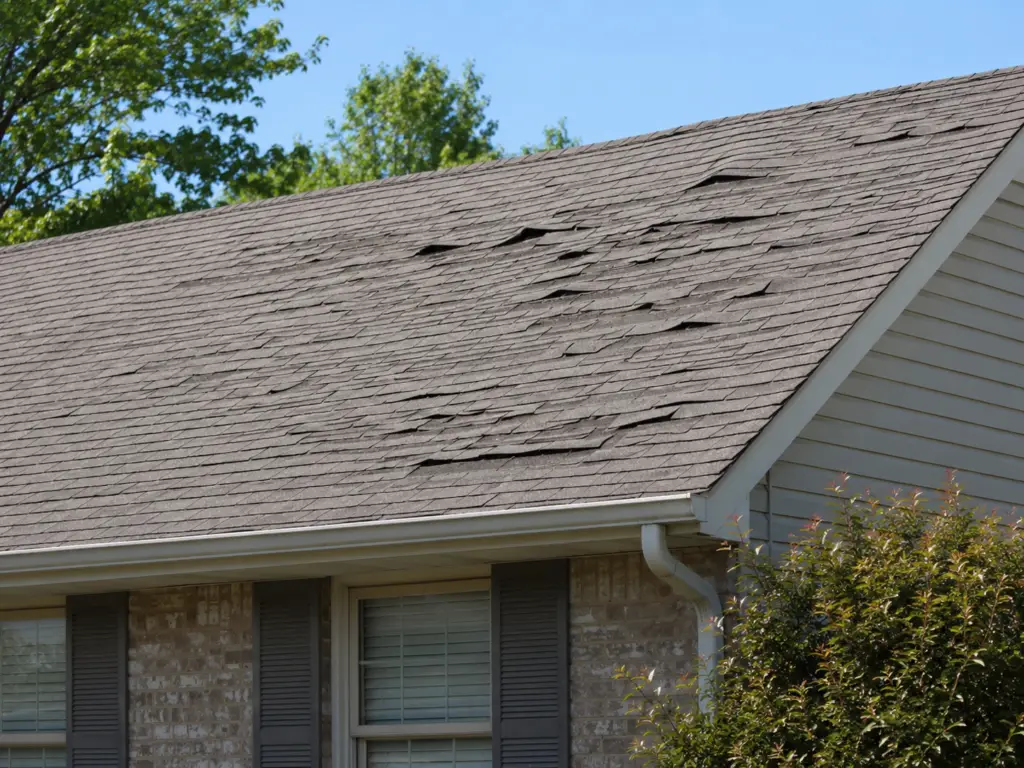
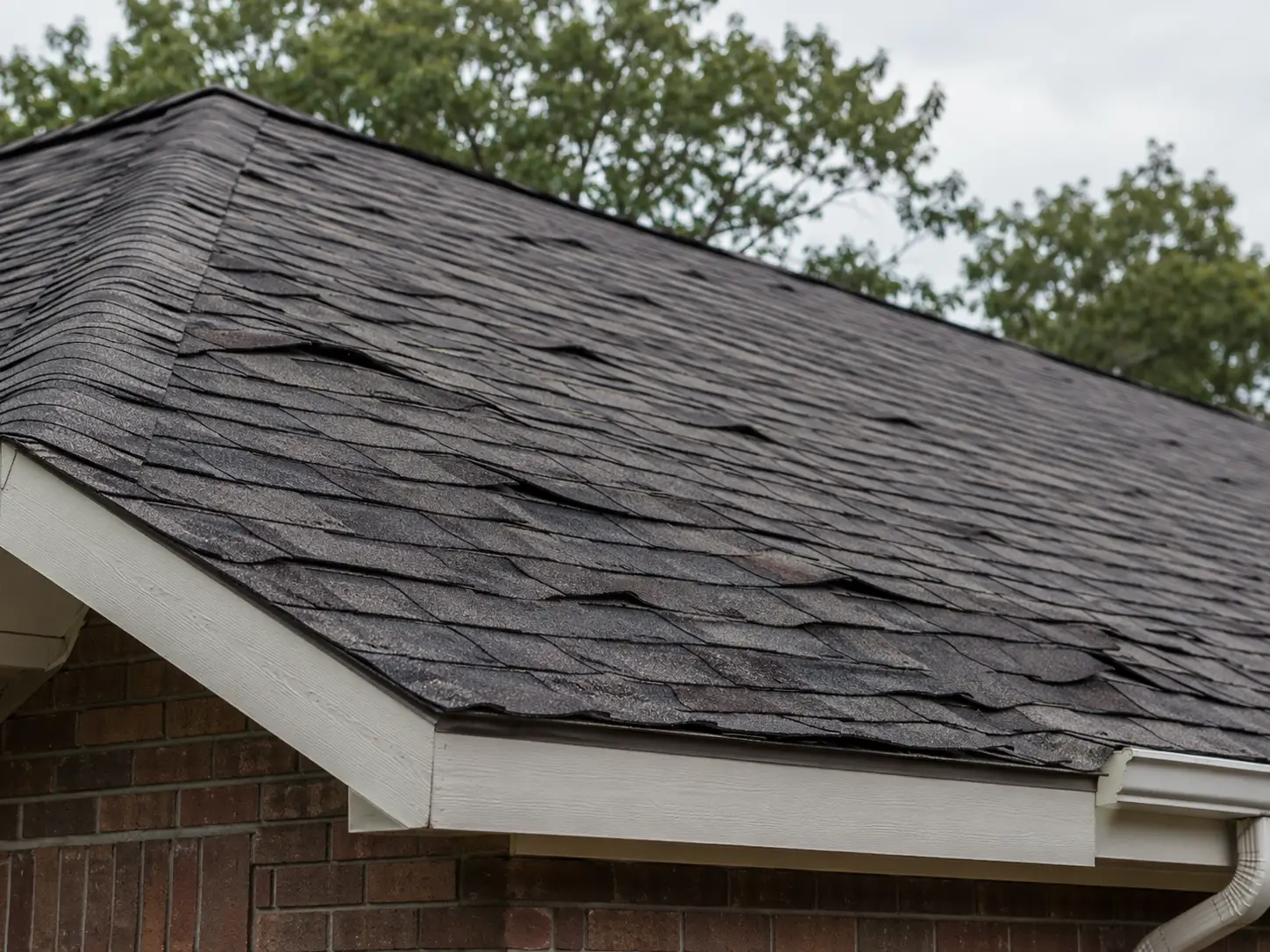
A ridge or wave across asphalt shingles deserves an explanation before anyone proposes a repair. The visible shingles may be following a wrinkle in the underlayment or movement in the roof deck below. Covering the raised area with new shingles may leave the underlying cause in place.
Describe the pattern before naming the cause
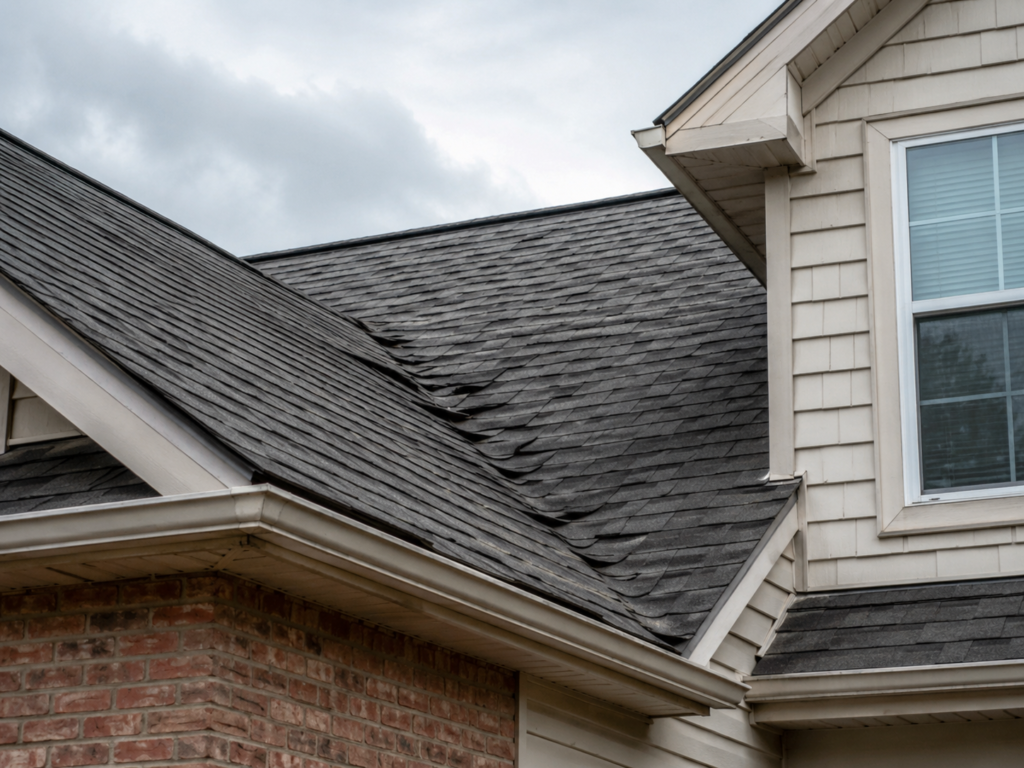
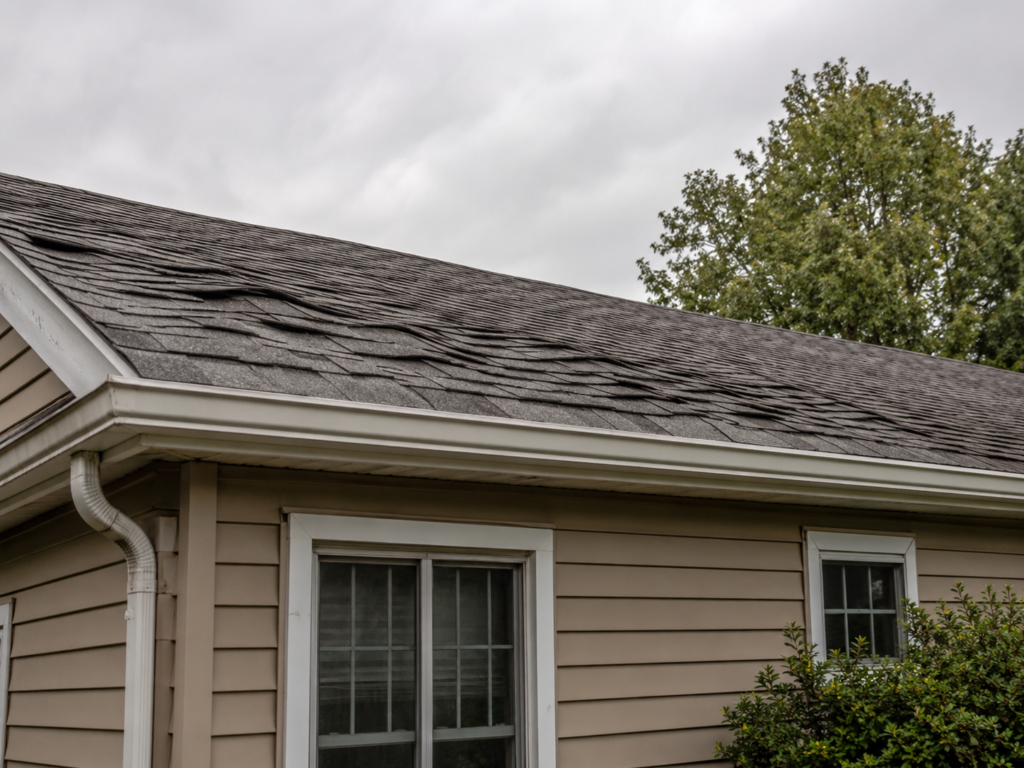
From safe ground, note whether the raised area follows a long line, crosses several shingle courses, or affects only one small section. Record when you first noticed it, whether the roof is recently installed, and whether its appearance changes with weather. Include any interior water stains or previous repairs in the history.
A photograph cannot reliably distinguish every underlayment wrinkle, deck joint, loose shingle, or structural change. Do not press the shingles down, add nails, cut the roof surface, or climb up to test whether the area feels soft.
Why the layers beneath the shingles matter
The Asphalt Roofing Manufacturers Association’s buckling bulletin identifies wrinkled underlayment and wood-deck movement as mechanisms. Moisture conditions during construction and the roof assembly’s moisture management can matter. The applicable product instructions and an assessment of the actual roof should guide corrective work.
That does not mean every raised line proves a ventilation defect, a defective product, or storm damage. Ask the inspector to separate what is directly observed from what remains a possible explanation.
What a useful assessment should answer
- Which layer is distorted? Is the finding at the shingle, underlayment, deck joint, or supporting structure?
- How extensive is it? Have the affected sections and the condition of the surrounding roof been documented?
- Is there current moisture? What observations or measurements support that conclusion, and what source is suspected?
- What is hidden? Will a limited opening be needed, and how will it be authorized and made weather-tight?
- What is the relevant history? Consider installation timing, roof layers, past leaks, attic changes, and previous attempted repairs.
For a recently installed roof, gather the contract, material information, installation photographs, and warranty paperwork. Contact the installer and, where appropriate, the manufacturer before approving unrelated corrective work.
Choose between monitoring and corrective work based on findings
If the contractor recommends monitoring a new installation, ask why that is appropriate, when it will be revisited, and what change requires an earlier call. “Wait and see” should have a defined reason and follow-up; active leakage or an unstable roof needs prompt attention.
A localized repair may be possible when the affected layers can be corrected and the surrounding materials remain suitable. The proposal should explain how the cause will be addressed, rather than merely fastening down the visible ridge.
Widespread deck problems, damaged materials, or a roof that cannot be repaired reliably may justify a broader scope. Request photographs and a written explanation connecting the recommendation to your roof. Buckling by itself is not a universal instruction to replace the entire roof.
Separate surface distortion from urgent structural signs
If the roofline is suddenly sagging, a ceiling is bulging, or you hear movement and suspect collapse, keep people out of the affected area and seek urgent professional assistance. Keep away from wet electrical fixtures. A structural concern requires the appropriate building or engineering professional, not just a shingle adjustment.
Put the repair boundaries in writing
Identify the area to be opened, the materials being replaced, the treatment of deck joints or underlayment, and any moisture-control work. Ask how concealed deterioration will be priced and approved. Clarify whether attic work, structural repairs, interior drying, or painting requires another trade.
Keep before-and-after photographs and ask how completion will be checked. If an insurance claim or warranty request is involved, the provider decides coverage under its own terms. A change noticed after a storm is worth documenting, but does not establish the cause by itself.
Request a documented roof assessment
USA Storm Roofing and Construction Group serves Virginia, Maryland, and Washington, DC. Contact the team with the roof’s age, installation history, and photos of the raised areas. Review roof repair and replacement planning options after the findings are explained.
Roofing estimates are free. If you need the source of water entry investigated, leak diagnosis is a paid service; confirm the appointment scope and fee before booking.