
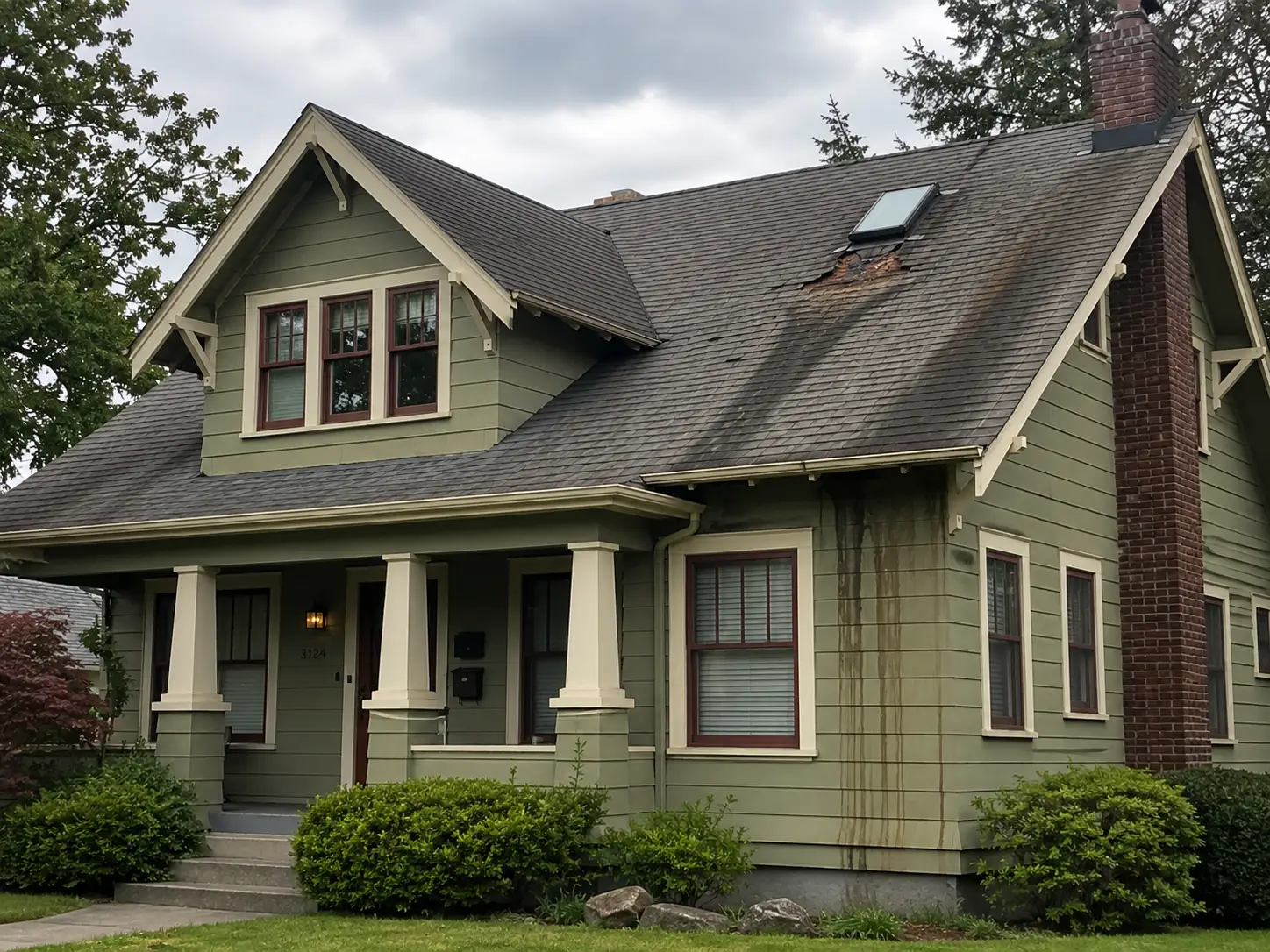
A water stain, damp patch, or drip deserves attention, but it does not identify the source on its own. Roof leaks, wall or window entry, plumbing problems, and condensation can produce overlapping symptoms. Use the signs below to decide what to report and how urgently to seek an assessment.
Signs that call for an immediate safety response
Keep clear of water near electrical fixtures, visibly sagging ceilings, unstable materials, and other immediate hazards. Do not touch wet switches or enter an unsafe attic to investigate. Contact the appropriate emergency service, utility, or qualified professional when needed.
Tell the person taking your call that water is actively entering or a hazard is present. Ask about current availability and any temporary protection that can be arranged safely.
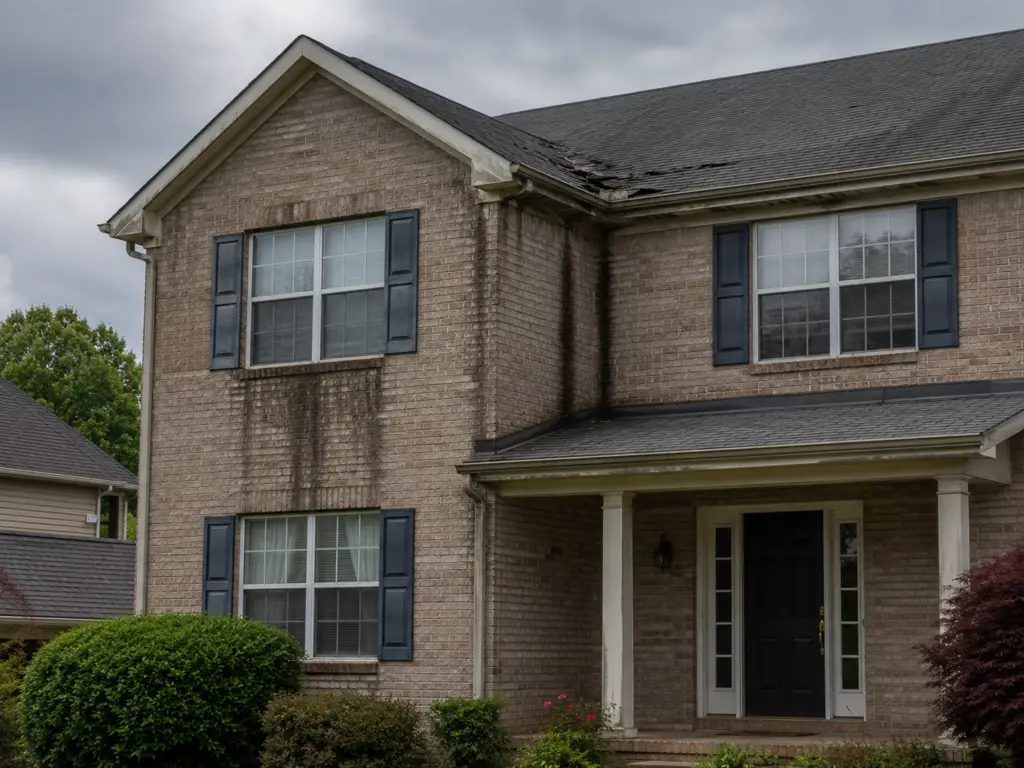
New stains or marks that are changing
Photograph the affected area from a safe position and note when you first saw it. Record whether the mark expands, changes after rain, or appears under different conditions. An old dry stain may remain after a previous repair; a changing stain needs investigation rather than simply repainting.
The location helps describe the symptom, but water may travel before it reaches the visible surface. Avoid assuming the source is directly above the mark.
Drips, damp trim, or moisture near an opening
Note whether water appears at a chimney, roof penetration, upper wall, skylight, window, or another opening. Include recent work and prior leak history when arranging an assessment. Several building components may meet at that location, so the proposed investigation should consider the relevant junctions.
A musty odor or peeling finish can be a reason to check moisture conditions, but neither establishes a roof leak by itself. Do not disturb suspect materials just to trace the source.
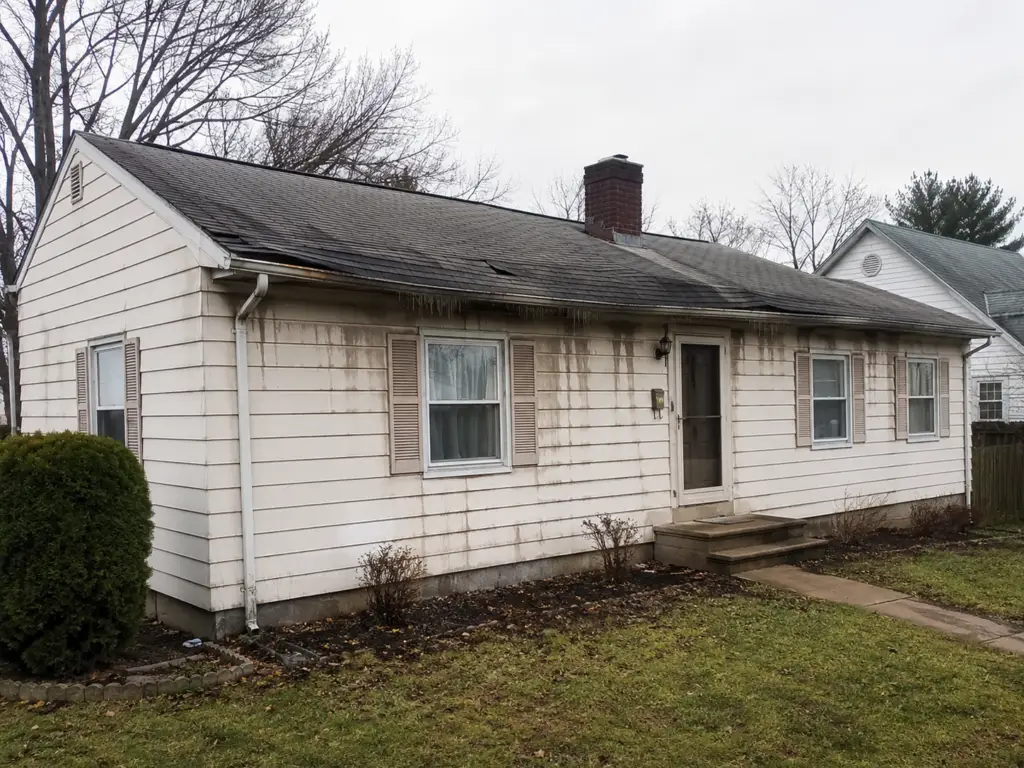
Visible exterior changes
From the ground, record displaced roof material, loose trim, damaged flashing that is safely visible, or changed gutter drainage. These observations can support an assessment, but missing shingles and interior stains are not automatically connected.
Granules at a downspout also need context. Ask whether the amount and pattern indicate ordinary shedding, wear, or damage; do not treat granules alone as proof that the roof must be replaced.
What to ask at the appointment
- Which observations support the suspected source?
- Which areas were inaccessible or concealed?
- Is additional testing or access needed, and what is its scope and cost?
- What repair is recommended, and what would it leave unresolved?
- Are drying, interior finishes, and follow-up included or separate?

Arrange the appropriate investigation
Our leak investigation guide explains the path from observations to a written repair scope. USA Storm Roofing’s leak diagnosis service is paid and differs from a free exterior inspection. Confirm the appointment scope and fee before scheduling.
Contact our team with your address, current conditions, and dated observations. If the damage may involve insurance, ask your insurer about reporting requirements and retain the findings, estimates, and receipts.